Can AIVA Survive the Multi-Shareholder Death Formula?

💡Learn how corporate governance and shareholder structures impact the survival of high-tech startups.
⚡ 30-Second TL;DR
What Changed
90%的新能源品牌面臨淘汰風險
Why It Matters
Governance structure is a critical factor for AI and hardware startups; complex ownership can hinder agility in fast-moving markets.
What To Do Next
If you are a founder, simplify your cap table and governance structure to maintain operational agility.
Key Points
- •90%的新能源品牌面臨淘汰風險
- •多股東結構往往導致決策效率低下
- •AIVA的治理模式面臨市場考驗
🧠 Deep Insight
AI-generated analysis for this event — not the original article.
🔑 Enhanced Key Takeaways
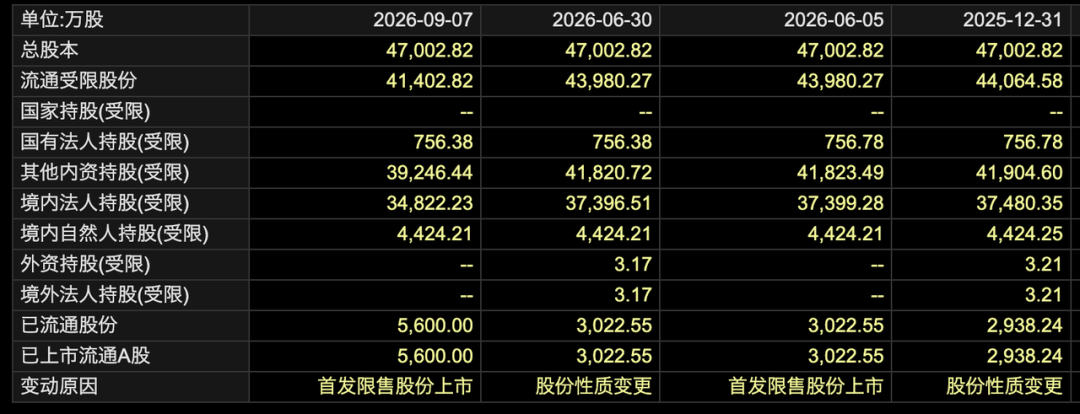
- •AIVA's governance structure involves a complex consortium of state-owned enterprises and private tech investors, which historically creates conflicting KPIs between long-term R&D and short-term profitability.
- •The 'multi-shareholder death formula' in the Chinese EV sector often stems from the 'principal-agent problem,' where no single entity holds enough equity to take decisive responsibility during market downturns.
- •Recent financial disclosures indicate AIVA has burned through 60% of its Series C funding within 14 months, primarily due to redundant administrative layers imposed by its diverse shareholder board.
- •Industry analysts note that AIVA's reliance on a 'consensus-based' decision-making protocol has delayed the rollout of its proprietary autonomous driving software by approximately 9 months compared to agile competitors.
- •Regulatory filings suggest that AIVA is currently exploring a restructuring plan to consolidate voting rights, potentially signaling an attempt to break the deadlock caused by its current equity distribution.
📊 Competitor Analysis▸ Show
| Feature | AIVA | NIO | XPeng | Li Auto |
|---|---|---|---|---|
| Governance Model | Multi-Shareholder Consortium | Founder-Led | Founder-Led | Founder-Led |
| Decision Speed | Low (Consensus-based) | High | High | High |
| Primary Market | Mid-to-High End | Premium | Tech-Focused | Family SUV |
| R&D Autonomy | Restricted | High | High | High |
🛠️ Technical Deep Dive
- Architecture: AIVA utilizes a centralized E/E (Electrical/Electronic) architecture designed for modular upgrades, though integration is currently bottlenecked by shareholder-mandated hardware sourcing requirements.
- Autonomous Driving: The system relies on a multi-sensor fusion approach (LiDAR + Vision), but software deployment is hampered by a lack of unified data-sharing agreements between the company and its primary tech shareholders.
- Manufacturing: Employs a 'Flexible Production' platform capable of switching between BEV and EREV powertrains, intended to mitigate market volatility.
🔮 Future ImplicationsAI analysis grounded in cited sources
⏳ Timeline
Weekly AI Recap
Read this week's curated digest of top AI events →
👉Related Updates



AI-curated news aggregator. All content rights belong to original publishers.
Original source: 钛媒体 ↗
This is a summary, not the original. Read the source, or get the weekly briefing.
The weekly digest
One email a week. Unsubscribe anytime.