Cambricon Shifts from Clusters to Cloud
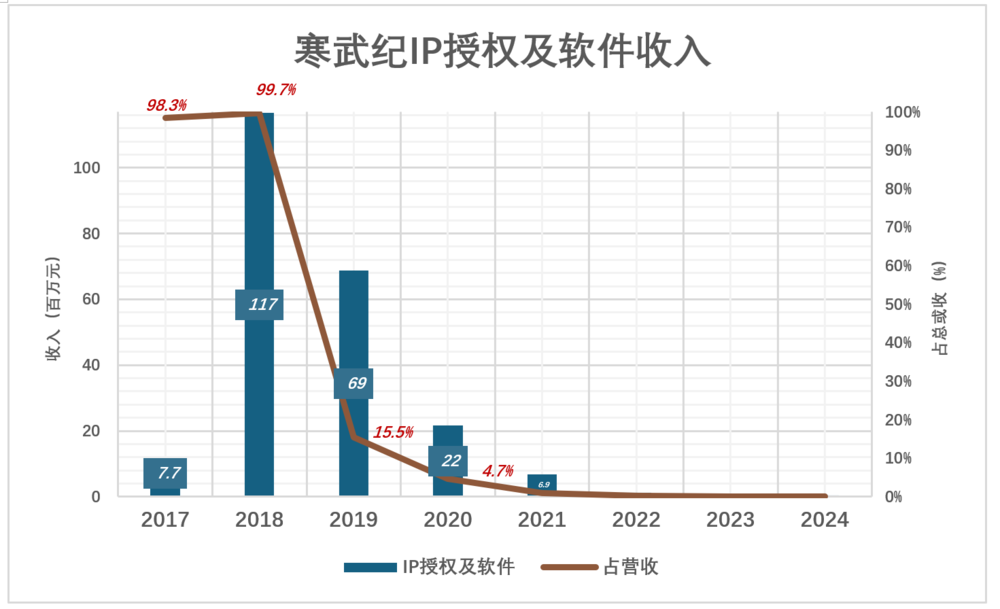
💡Cambricon halts gov clusters for cloud pivot amid woes—key for China AI infra
⚡ 30-Second TL;DR
What Changed
IP revenue peaked with Huawei Kirin 970/980 NPUs, dropped to near-zero by 2023
Why It Matters
Highlights scaling challenges for Chinese AI chips beyond gov reliance; cloud shift may aid enterprise adoption but questions growth trajectory.
What To Do Next
Benchmark Cambricon Siyuan cloud accelerators against Huawei Ascend for compliant inference.
Key Points
- •IP revenue peaked with Huawei Kirin 970/980 NPUs, dropped to near-zero by 2023
- •Clusters using Siyuan chips generated 70%+ gross margins, mainly from local gov projects
- •2024 pivot: No new clusters, focus on cloud AI chips/accelerators for better cycles
- •Lacks Nvidia-like ecosystem, positioned as compliant supplier not platform leader
🧠 Deep Insight
Background and context from public sources — not the original article. 7 sources cited.
🔑 Enhanced Key Takeaways
- •Cambricon was founded in March 2016 as a spinout from the Chinese Academy of Sciences' Institute of Computing Technology, initially licensing IP and selling deep-learning chips.[1][5][6]
- •The company listed on Shanghai’s STAR Market in July 2020 with a market cap around USD 360 million, reaching a valuation of USD 2.5 billion post-Series B in 2018 backed by Alibaba and others.[1][2][6]
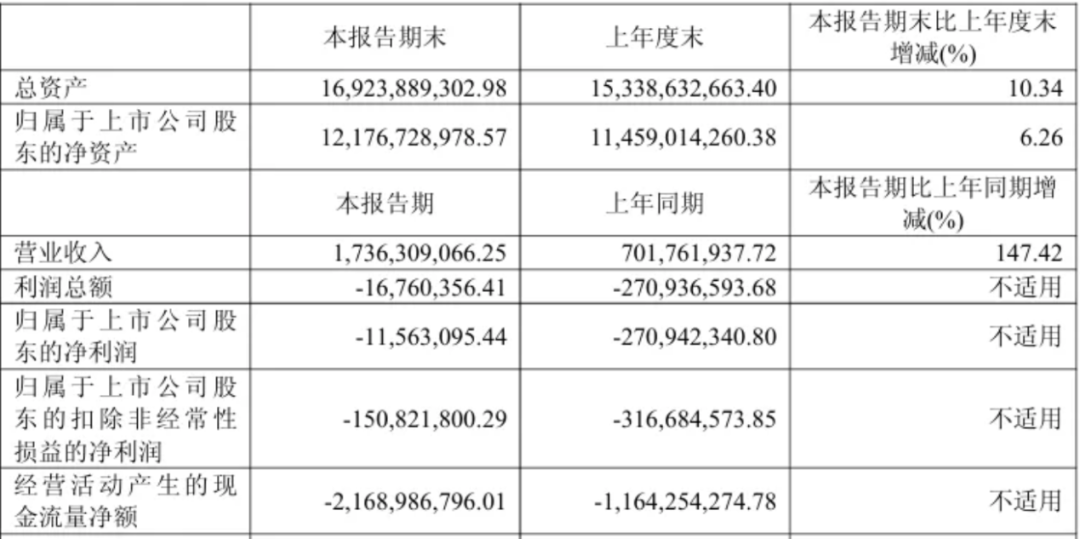
- •In 1H 2025, Cambricon achieved revenue of RMB 2.88 billion and net profit of RMB 1.04 billion, with its chips added to government 'Xinchuang' procurement catalogues alongside Huawei's.[6]
- •Siyuan 590 chips deliver 80% of Nvidia A100 performance at 30% lower cost than Nvidia H20 in some scenarios, crossing a 'good enough' threshold amid US restrictions since 2022.[4]
🔮 Future ImplicationsAI analysis grounded in cited sources
⏳ Timeline
📎 Sources (7)
Factual claims are grounded in the sources below. Forward-looking analysis is AI-generated interpretation.
- kr-asia.com — Key Stat Huawei Previous Partner Cambricon to Become Chinas First AI Chip Stock
- TechCrunch — Chip Cambricon IPO
- dcfmodeling.com — 688256ss History Mission Ownership
- hellochinatech.com — Cambricon China AI Chip Turning Point
- en.wikipedia.org — Cambricon Technologies
- stockcounterparts.com — Cambricon
- en.eeworld.com.cn — A391197
Weekly AI Recap
Read this week's curated digest of top AI events →
👉Related Updates

AI-curated news aggregator. All content rights belong to original publishers.
Original source: 虎嗅 ↗
This is a summary, not the original. Read the source, or get the weekly briefing.
Weekly AI briefing
One email a week. Unsubscribe anytime.