📊Bloomberg Technology•Stalecollected in 31m
Bots Handle Wall Street's Big Bond Trades
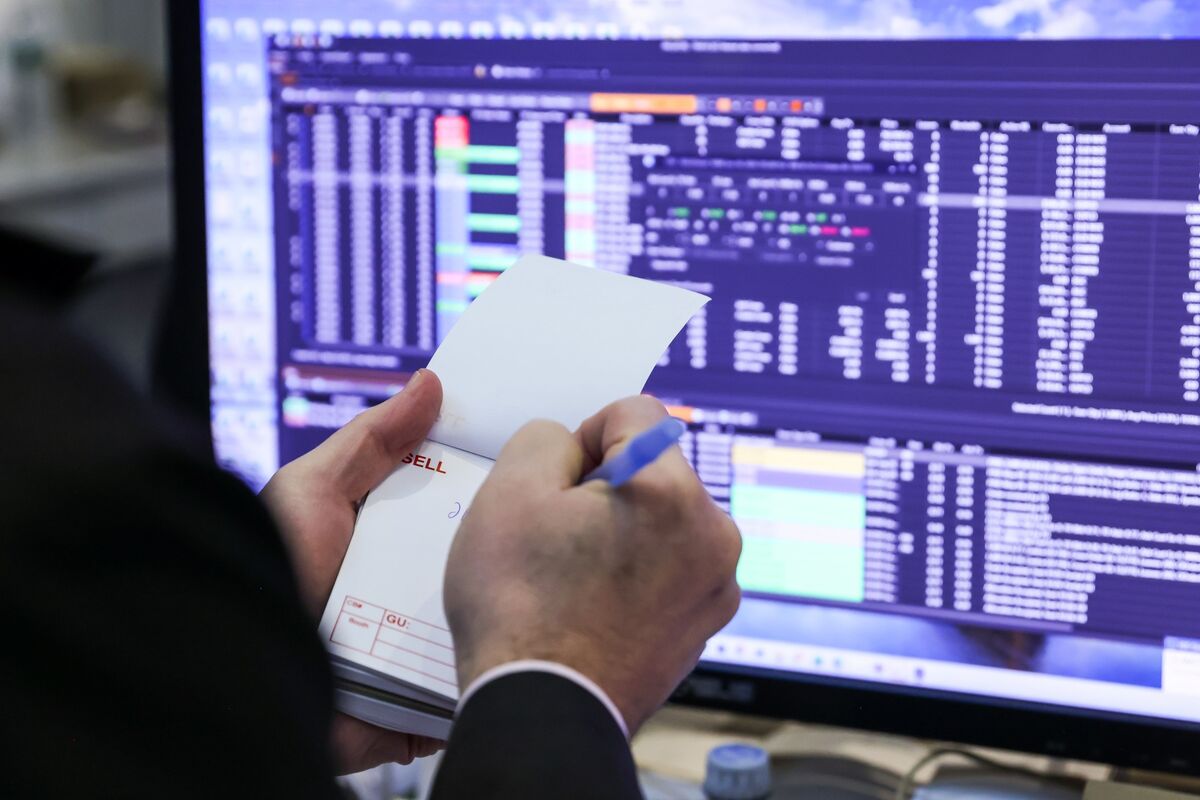
💡Wall Street bots now do $12T bond trades—key for AI trading strategy shifts
⚡ 30-Second TL;DR
What Changed
Algorithms execute biggest corporate bond trades
Why It Matters
Faster, efficient trading could lower costs but increase market volatility risks from automated decisions.
What To Do Next
Evaluate algorithmic trading platforms like those from Bloomberg for bond execution efficiency.
Who should care:Enterprise & Security Teams
Key Points
- •Algorithms execute biggest corporate bond trades
- •$12T market moves to electronic trading
- •Securities dealers and managers adopt bots widely
🧠 Deep Insight
AI-generated analysis for this event.
🔑 Enhanced Key Takeaways
- •The shift toward algorithmic execution in corporate bonds is largely driven by the adoption of 'all-to-all' trading protocols, which allow buy-side firms to trade directly with each other rather than relying solely on traditional dealer intermediaries.
- •Market liquidity fragmentation has decreased as automated market-making bots provide continuous two-sided quotes, narrowing bid-ask spreads for high-yield and investment-grade corporate debt.
- •Regulatory pressure from the SEC regarding transparency and best execution requirements has accelerated the decommissioning of manual voice-trading desks in favor of API-driven execution management systems (EMS).
🛠️ Technical Deep Dive
- •Implementation of FIX (Financial Information eXchange) protocol 4.4 and 5.0 for low-latency order routing between buy-side EMS and sell-side liquidity pools.
- •Utilization of Reinforcement Learning (RL) models to optimize trade slicing (e.g., VWAP/TWAP algorithms) to minimize market impact and information leakage during large block trades.
- •Integration of Natural Language Processing (NLP) engines to parse unstructured data from dealer chat platforms (e.g., Symphony, Bloomberg IB) to feed real-time pricing signals into automated execution logic.
- •Deployment of micro-services architecture on cloud-native infrastructure to handle bursty traffic during market volatility events.
🔮 Future ImplicationsAI analysis grounded in cited sources
Manual voice-based corporate bond trading will account for less than 10% of total volume by 2030.
The efficiency gains and cost reductions provided by algorithmic execution create an insurmountable competitive disadvantage for firms relying on human-intermediated trading.
Increased algorithmic dominance will lead to 'flash crash' events in the corporate bond market.
High-frequency automated liquidity provision can lead to correlated withdrawal of quotes during periods of extreme market stress, similar to historical equity market events.
⏳ Timeline
2016-01
Initial surge in electronic trading platforms for corporate bonds following post-2008 liquidity constraints.
2020-03
COVID-19 market volatility forces rapid adoption of electronic trading as remote work renders traditional voice desks ineffective.
2023-11
Industry-wide adoption of standardized API protocols for automated bond execution reaches critical mass among Tier-1 investment banks.
📰
Weekly AI Recap
Read this week's curated digest of top AI events →
👉Related Updates
AI-curated news aggregator. All content rights belong to original publishers.
Original source: Bloomberg Technology ↗