Blind Patients Regain Vision via Retinal Chip
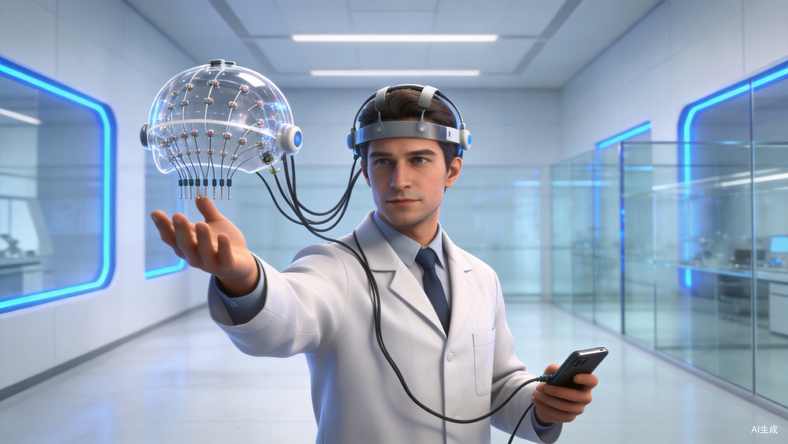
💡BCI milestone: 40+ blind patients now read via tiny retinal implant (NEJM pub)
⚡ 30-Second TL;DR
What Changed
PRIMA 2x2mm retinal chip stimulates bipolar cells for coherent black-white images
Why It Matters
Accelerates BCI shift from disability aid to human enhancement and longevity tech. Could redefine medicine via direct neural signal engineering over drugs.
What To Do Next
Review NEJM paper on PRIMA for bipolar cell stimulation techniques.
Key Points
- •PRIMA 2x2mm retinal chip stimulates bipolar cells for coherent black-white images
- •80% of patients improved vision, some read novels after 10 years blind
- •Future: bio-hybrid neurons for WiFi-direct brain links, Vessel for brain perfusion
🧠 Deep Insight
Background and context from public sources — not the original article. 8 sources cited.
🔑 Enhanced Key Takeaways
- •Science Corporation raised $230 million in Series C funding to accelerate PRIMA commercialization and expand clinical trials to Stargardt disease and retinitis pigmentosa[2][4].
- •PRIMA implant features 378 light-powered pixels in a honeycomb pattern, converting infrared light from glasses into electrical signals to stimulate retinal neurons[5].
- •NEJM editorial described PRIMA as the first treatment in clinical trials to successfully restore functional vision in advanced geographic atrophy due to AMD[4].
- •The implant requires surgical placement under the retina and post-activation training lasting months for patients to adapt to restored vision[7].
🛠️ Technical Deep Dive
- •Implant dimensions: 2mm x 2mm x 30µm, subretinal photovoltaic array acting as artificial photoreceptors[1].
- •378 independently controlled pixels in honeycomb pattern; each pixel converts near-infrared light to electrical pulses via electrodes contacting bipolar cells[5].
- •Specialized glasses include front-facing camera, eye-facing infrared projector for power/data delivery, pocket processor for zoom/brightness, and sun lenses[1][5].
- •AI algorithms in post-surgery activation process the visual scene to focus infrared projection on key objects[6].
🔮 Future ImplicationsAI analysis grounded in cited sources
⏳ Timeline
📎 Sources (8)
Factual claims are grounded in the sources below. Forward-looking analysis is AI-generated interpretation.
- science.xyz — New England Journal of Medicine Prima
- medtechdive.com — 814118
- ophthalmologytimes.com — Prima Retinal Implant Restores Vision in Patients with Advanced Ga
- businesswire.com — Science Corporation Closes $230 Million Series C to Accelerate Commercialization of Its Prima Bci Retinal Implant the Worlds Most Advanced Vision Restoration Technology
- science.xyz — Prima
- macularsociety.org — Revolutionary Implant Allows Patients with Dry Amd to Read Again
- statnews.com — Science Corp Raises 230 Million Retinal Implant Fda Decision
- science.xyz — Frank Holz Questions
Weekly AI Recap
Read this week's curated digest of top AI events →
👉Related Updates
AI-curated news aggregator. All content rights belong to original publishers.
Original source: 虎嗅 ↗
This is a summary, not the original. Read the source, or get the weekly briefing.
Weekly AI briefing
One email a week. Unsubscribe anytime.