Source钛媒体•Stalecollected in 29m
Big Tech Copies Lobster, Lacks Vision
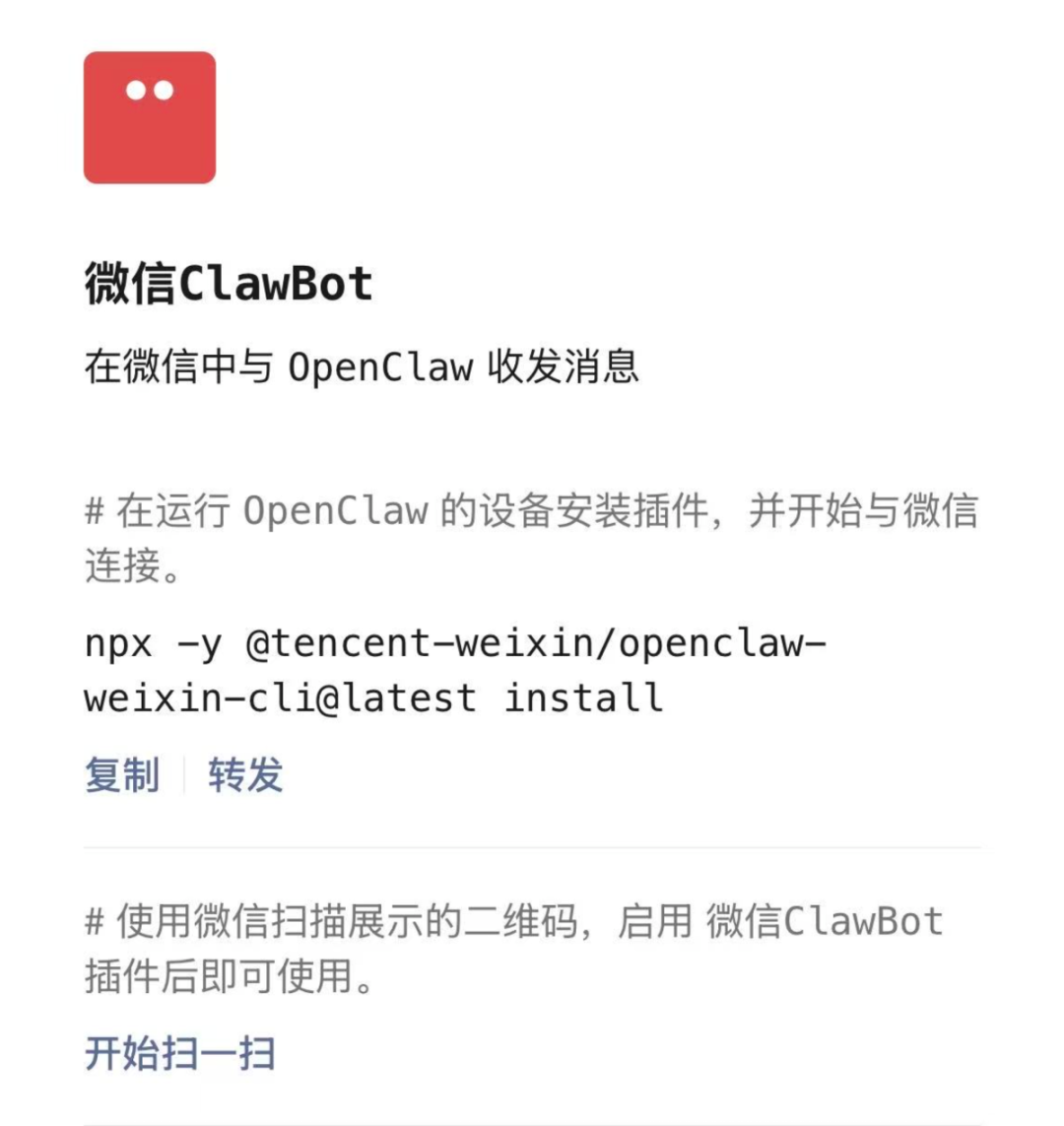
#longxia-copycats#big-tech-innovation#lobster-ailongxialongxia
💡Why big tech's Longxia copies fail—lessons for AI builders
⚡ 30-Second TL;DR
What Changed
Big factories emulate Longxia's lobster AI approach
Why It Matters
Highlights innovation gaps as incumbents mimic startups, urging AI founders to differentiate beyond replication.
What To Do Next
Analyze Longxia's AI software to spot unique edges over big tech clones.
Who should care:Founders & Product Leaders
Key Points
- •Big factories emulate Longxia's lobster AI approach
- •Lack of dreams in copycat strategies
- •Big tech experiencing loss of control
🧠 Deep Insight
AI-generated analysis for this event — not the original article.
🔑 Enhanced Key Takeaways
- •The 'Longxia' (Lobster) phenomenon refers to a specific trend in the Chinese tech sector where companies prioritize short-term, high-frequency traffic-driven AI applications over foundational research.
- •Industry critics argue that this 'lobster' strategy reflects a shift from 'innovation-led' to 'imitation-led' growth, driven by intense pressure to demonstrate immediate AI monetization to shareholders.
- •The loss of control mentioned in the article is linked to the 'internal fragmentation' of large tech firms, where siloed departments rush to launch derivative AI tools to meet internal KPIs rather than pursuing a unified, long-term vision.
🔮 Future ImplicationsAI analysis grounded in cited sources
Increased market consolidation among AI-first startups.
Big tech's reliance on derivative, low-vision AI strategies will likely create a vacuum that specialized, high-vision startups will fill.
Regulatory scrutiny on AI 'copycat' products will intensify.
As major firms flood the market with redundant AI tools, regulators are likely to intervene to prevent anti-competitive behavior and ensure product quality.
📰
Weekly AI Recap
Read this week's curated digest of top AI events →
👉Related Updates



AI-curated news aggregator. All content rights belong to original publishers.
Original source: 钛媒体 ↗
This is a summary, not the original. Read the source, or get the weekly briefing.
The weekly digest
One email a week. Unsubscribe anytime.