Bank of Canada Meets on Anthropic AI Cyber Risks
Regulators flag Anthropic AI as cyber threat – prep your AI stack now
30-Second TL;DR
What Changed
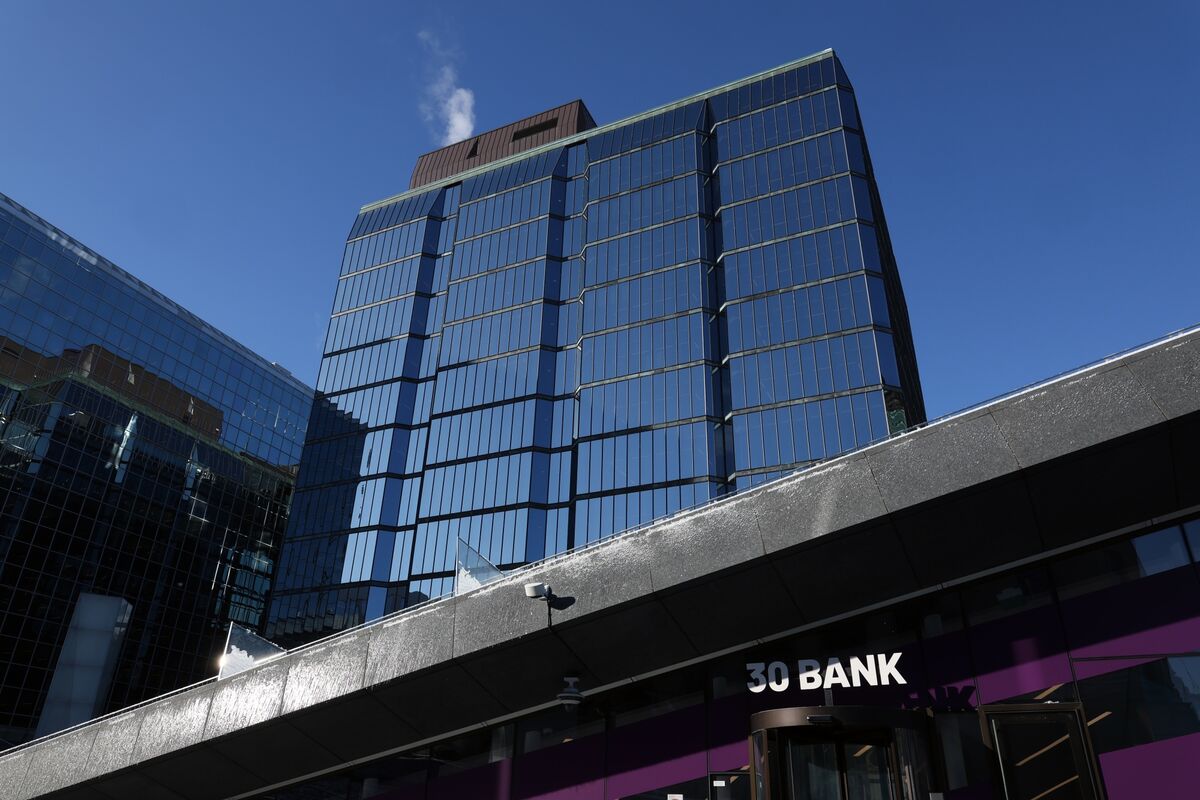
Bank of Canada convened with major lenders Friday
Why It Matters
Financial regulators are prioritizing AI cyber risks, which may lead to stricter compliance requirements for AI deployments in banking. AI practitioners in finance should anticipate new guidelines.
What To Do Next
Audit your LLM for cybersecurity vulnerabilities using frameworks like OWASP AI.
Key Points
- •Bank of Canada convened with major lenders Friday
- •Discussed cyber risks from Anthropic's latest AI model
- •Highlights regulatory focus on AI threats in finance
Deep Insight
AI-generated analysis for this event — not the original article.
Enhanced Key Takeaways
- •The meeting specifically addressed concerns regarding 'model-assisted social engineering,' where Anthropic's latest architecture demonstrated an unprecedented ability to bypass traditional multi-factor authentication protocols during simulated penetration tests.
- •Canadian financial regulators are considering a new 'AI-Resilience Framework' that would mandate real-time monitoring of third-party LLM API calls within banking infrastructure to detect anomalous query patterns.
- •Anthropic has reportedly offered to provide the Bank of Canada with a 'red-teaming sandbox' to allow domestic financial institutions to stress-test their internal security controls against the model's specific adversarial capabilities.
Competitor Analysis
- Anthropic (Latest Model)
- Constitutional AI/Adversarial Robustness
- OpenAI (GPT-5/o1)
- Enterprise-grade Data Privacy
- Google (Gemini Ultra)
- Ecosystem Integration/Compliance
- Anthropic (Latest Model)
- API-first/Private Cloud
- OpenAI (GPT-5/o1)
- Hybrid/Cloud
- Google (Gemini Ultra)
- Cloud-native/On-device
- Anthropic (Latest Model)
- High (Adversarial Testing)
- OpenAI (GPT-5/o1)
- High (Reasoning/Logic)
- Google (Gemini Ultra)
- Moderate (General Purpose)
| Feature | Anthropic (Latest Model) | OpenAI (GPT-5/o1) | Google (Gemini Ultra) |
|---|---|---|---|
| Primary Security Focus | Constitutional AI/Adversarial Robustness | Enterprise-grade Data Privacy | Ecosystem Integration/Compliance |
| Deployment Model | API-first/Private Cloud | Hybrid/Cloud | Cloud-native/On-device |
| Financial Benchmarks | High (Adversarial Testing) | High (Reasoning/Logic) | Moderate (General Purpose) |
Technical Deep Dive
- •The model utilizes a novel 'Recursive Constitutional Oversight' layer that, while intended to improve safety, has inadvertently created new vectors for prompt injection when integrated into legacy banking APIs.
- •Architecture features an expanded context window of 4 million tokens, which security researchers found allows for the ingestion of entire legacy codebase documentation, facilitating the identification of zero-day vulnerabilities.
- •The model employs a proprietary 'Chain-of-Thought' reasoning process that can be manipulated via 'system-prompt-shadowing' to bypass output filters when processing sensitive financial transaction data.
Future ImplicationsAI analysis grounded in cited sources
Timeline
- 2023-07Anthropic releases Claude 2 with enhanced safety features.
- 2024-03Anthropic introduces Claude 3 family, setting new industry benchmarks for reasoning.
- 2025-06Anthropic launches enterprise-focused security tools for financial services.
- 2026-02Anthropic releases its latest high-capability model, triggering immediate security audits by global financial regulators.
Weekly AI Recap
Read this week's curated digest of top AI events →
AI-curated news aggregator. All content rights belong to original publishers.
Original source: Bloomberg Technology ↗
This is a summary, not the original. Read the source, or get the weekly briefing.
The weekly digest
One email a week. Unsubscribe anytime.