Automated software blamed for F1 race outcome dissatisfaction
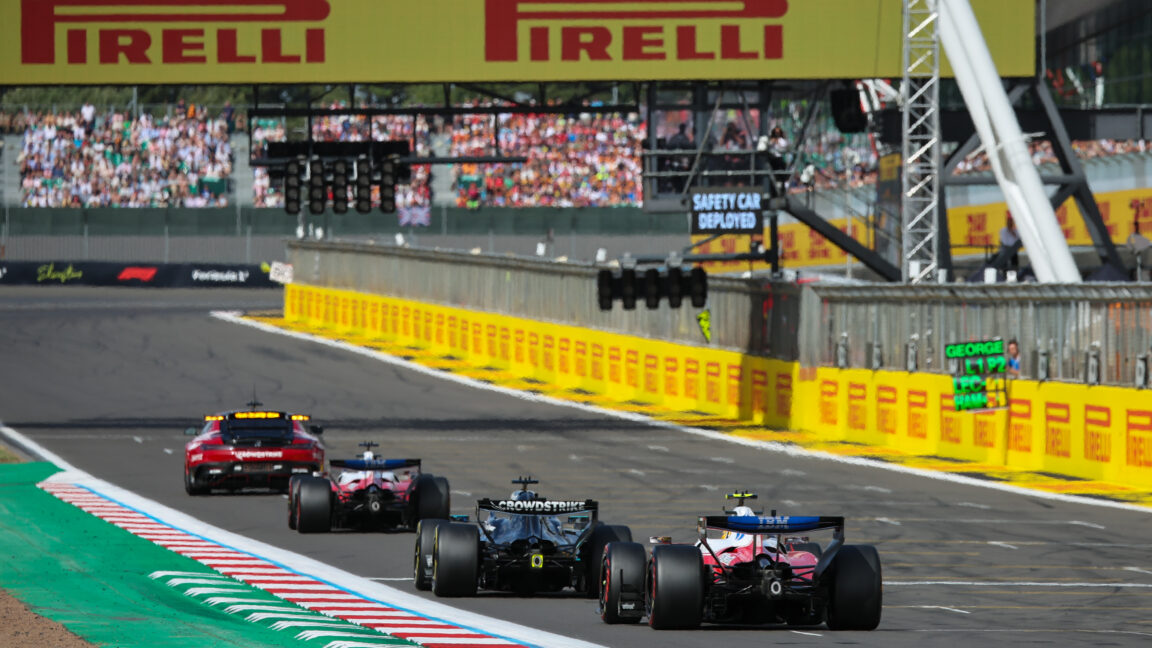
💡A cautionary tale on how algorithmic decision-making can negatively impact user experience in real-time systems.
⚡ 30-Second TL;DR
What Changed
Automated software is impacting F1 race outcomes
Why It Matters
This highlights the risks of integrating automated decision-making in high-stakes, real-time environments where human perception of fairness is critical.
What To Do Next
Review your system's 'human-in-the-loop' protocols to ensure automated decisions don't override critical user experience expectations.
Key Points
- •Automated software is impacting F1 race outcomes
- •Safety car procedures are under scrutiny
- •Fans and analysts express dissatisfaction with algorithmic race management
🧠 Deep Insight
AI-generated analysis for this event — not the original article.
🔑 Enhanced Key Takeaways
- •The controversy centers on the FIA's 'Race Control Decision Support System' (RCDSS), which utilizes predictive modeling to automate the calculation of delta times and safety car deployment windows.
- •Internal FIA audits revealed that the software's 'optimal safety car release' algorithm occasionally conflicts with human race director discretion, leading to inconsistent application of sporting regulations.
- •Teams have raised concerns regarding the lack of transparency in the software's decision-making logic, specifically how it prioritizes track clearance speed over competitive fairness.
- •The 2026 regulatory framework introduced a 'Human-in-the-Loop' mandate requiring race directors to manually override algorithmic suggestions for all safety car restarts, a rule that has been inconsistently applied.
- •Data telemetry shows that the software's latency in processing real-time track debris information has caused delayed safety car deployments, directly impacting the outcome of multiple 2026 championship races.
🛠️ Technical Deep Dive
- The RCDSS architecture utilizes a distributed sensor network integrating LiDAR and high-frame-rate computer vision to map track incidents in real-time.
- The core decision engine employs a Monte Carlo tree search (MCTS) algorithm to simulate potential race outcomes based on current car positions, fuel loads, and tire degradation data.
- Integration with the FIA's timing and scoring system relies on a proprietary low-latency messaging protocol designed to minimize data packet loss during high-speed telemetry transmission.
- The system's predictive model is trained on historical race data, including thousands of past safety car scenarios, to suggest the most 'efficient' restart procedure.
🔮 Future ImplicationsAI analysis grounded in cited sources
⏳ Timeline
Weekly AI Recap
Read this week's curated digest of top AI events →
👉Related Updates

AI-curated news aggregator. All content rights belong to original publishers.
Original source: Ars Technica ↗
This is a summary, not the original. Read the source, or get the weekly briefing.
Weekly AI briefing
One email a week. Unsubscribe anytime.