🇨🇳cnBeta (Full RSS)•Stalecollected in 60m
Artemis II: NASA's Last No-Silicon Valley Moonshot
💡NASA moonshot + SpaceX IPO signals AI/tech takeover of space infra
⚡ 30-Second TL;DR
What Changed
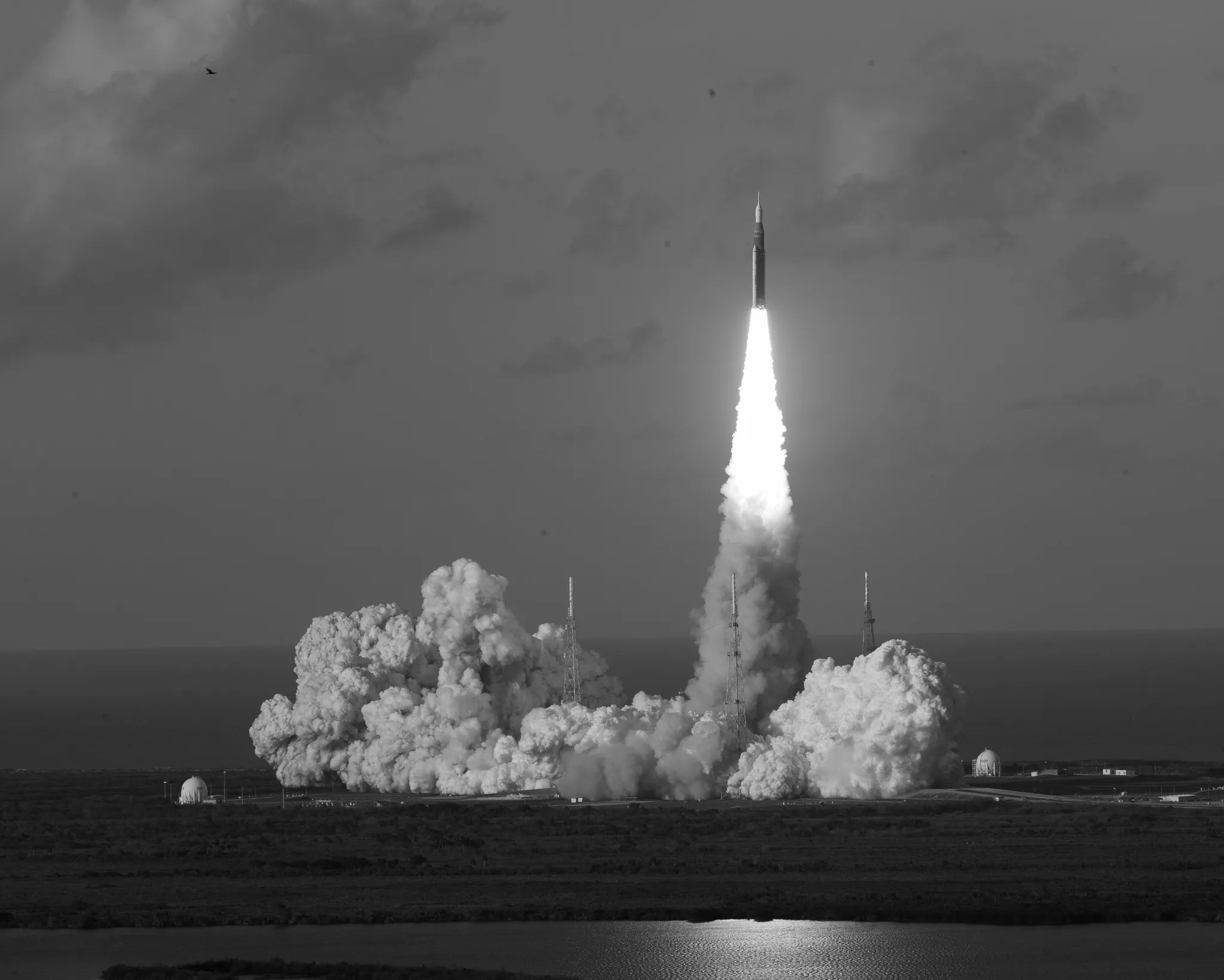
Artemis II launches April 1 with four astronauts
Why It Matters
Highlights accelerating private tech (incl. AI firms) role in space, pressuring traditional agencies like NASA and opening doors for AI-driven space infrastructure.
What To Do Next
Evaluate SpaceX Starship integrations for AI robotics in post-NASA space era.
Who should care:Developers & AI Engineers
Key Points
- •Artemis II launches April 1 with four astronauts
- •First US manned lunar orbit in 54 years
- •Coincides with SpaceX IPO on same day
- •Marks shift to Silicon Valley dominance in space missions
🧠 Deep Insight
AI-generated analysis for this event.
🔑 Enhanced Key Takeaways
- •The Artemis II mission utilizes the Space Launch System (SLS) Block 1 rocket, which relies on legacy-derived architecture from the Space Shuttle program, contrasting with the rapid-iteration, software-defined development cycles typical of modern Silicon Valley aerospace firms.
- •The SpaceX IPO, occurring simultaneously with the launch, represents a significant shift in capital markets, as the company transitions from a private entity heavily reliant on NASA contracts to a public corporation subject to quarterly earnings scrutiny and broader investor influence.
- •NASA's reliance on the Orion Multi-Purpose Crew Vehicle (MPCV) for Artemis II highlights a design philosophy centered on traditional aerospace engineering standards, whereas upcoming Artemis missions are increasingly integrating commercial lunar landers and modular systems developed by private sector partners.
🛠️ Technical Deep Dive
- •Orion MPCV Avionics: Utilizes a radiation-hardened flight computer architecture based on the RAD750 processor, prioritizing reliability and fault tolerance over the high-speed processing capabilities found in consumer-grade Silicon Valley hardware.
- •SLS Block 1 Configuration: Employs four RS-25 liquid-propellant engines derived from the Space Shuttle Main Engine (SSME) program, integrated with two five-segment solid rocket boosters.
- •Life Support Systems: Features a closed-loop environmental control and life support system (ECLSS) designed for long-duration deep space transit, distinct from the shorter-duration, high-automation systems favored by commercial crew vehicles.
🔮 Future ImplicationsAI analysis grounded in cited sources
NASA will transition to a 'service-buyer' model for all future lunar surface transport.
The increasing reliance on commercial landers for Artemis III and beyond signals a permanent shift away from NASA-owned and operated deep space transport infrastructure.
SpaceX's public status will force a change in their R&D risk profile.
Public market pressure for consistent profitability may limit the company's ability to pursue high-risk, experimental aerospace projects that do not have immediate commercial viability.
⏳ Timeline
2011-09
NASA announces the selection of the Space Launch System (SLS) design.
2014-12
Orion completes its first uncrewed flight test, Exploration Flight Test-1 (EFT-1).
2022-11
Artemis I successfully completes an uncrewed lunar orbit mission.
2026-04
Artemis II launches with a crew of four for a lunar flyby.
📰
Weekly AI Recap
Read this week's curated digest of top AI events →
👉Related Updates
AI-curated news aggregator. All content rights belong to original publishers.
Original source: cnBeta (Full RSS) ↗