Apple Tests Siri Multi-Command Feature
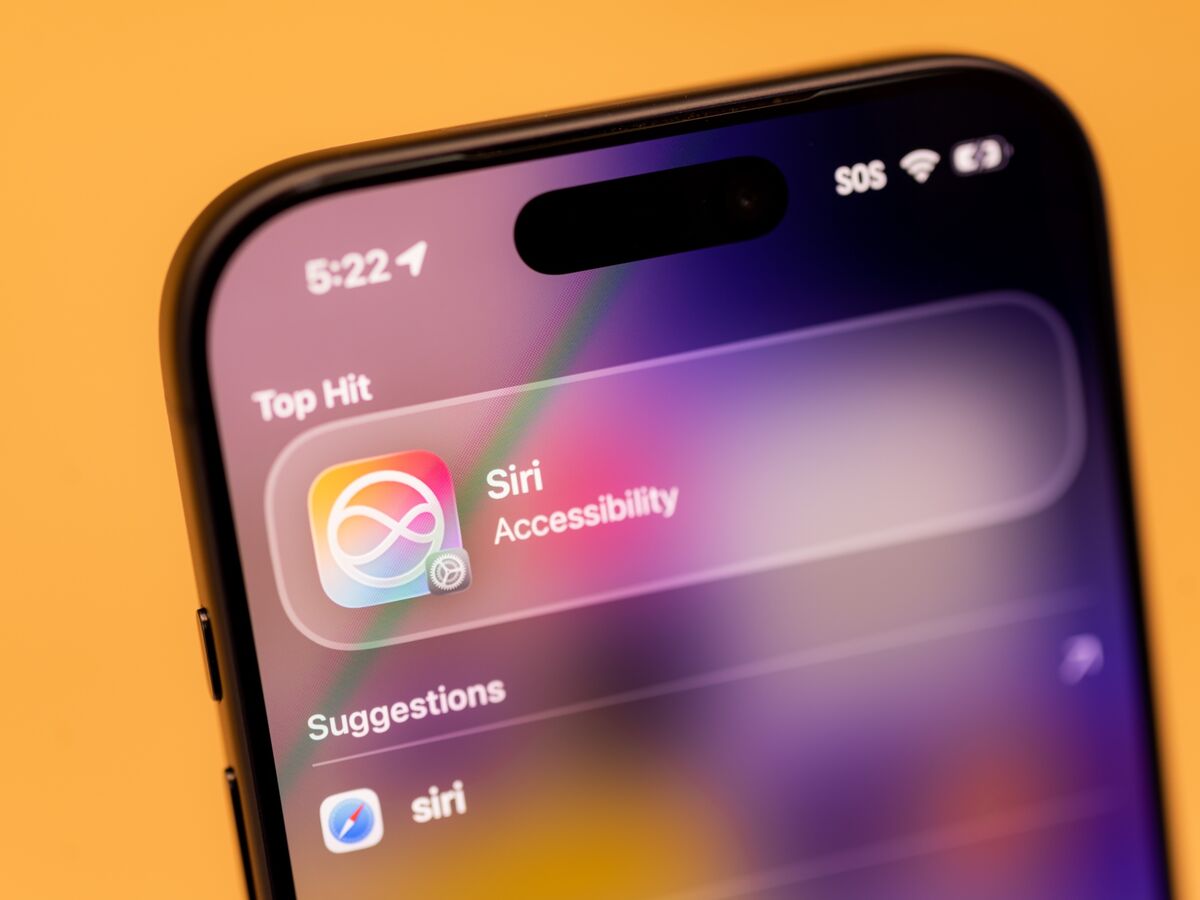
💡Apple Siri multi-command test: blueprint for next-gen voice agents
⚡ 30-Second TL;DR
What Changed
Apple testing multi-command processing for Siri
Why It Matters
This could enhance Siri's competitiveness against rivals like Google Assistant by improving conversational flow. For AI practitioners, it signals Apple's push into more advanced voice AI capabilities.
What To Do Next
Test multi-turn voice prompts in your LLM-based assistants to benchmark against upcoming Siri capabilities.
Key Points
- •Apple testing multi-command processing for Siri
- •Feature enables multiple requests in one query
- •Significant upgrade for 15-year-old assistant
- •Reported by sources familiar with development
🧠 Deep Insight
AI-generated analysis for this event — not the original article.
🔑 Enhanced Key Takeaways
- •The feature is reportedly powered by Apple's latest on-device Large Language Model (LLM) architecture, allowing for local processing of complex intent chains without relying on cloud-based round trips.
- •This capability is expected to be integrated into the upcoming iOS 20 release, marking a shift toward 'agentic' Siri behavior that can chain together actions across multiple first-party apps.
- •Internal testing suggests the system utilizes a new 'intent-parsing' layer that decomposes compound sentences into discrete API calls, addressing long-standing limitations in Siri's natural language understanding.
📊 Competitor Analysis▸ Show
| Feature | Apple Siri (Upcoming) | Google Assistant (Gemini) | Amazon Alexa (LLM) |
|---|---|---|---|
| Multi-Command Processing | On-device focus | Cloud-heavy/Hybrid | Cloud-based |
| Contextual Awareness | High (System-wide) | High (Google Ecosystem) | Moderate (Smart Home) |
| Pricing | Free (Hardware-bundled) | Free/Gemini Advanced | Free/Alexa Plus (Subscription) |
🛠️ Technical Deep Dive
- •Implementation of a transformer-based encoder-decoder architecture optimized for Neural Engine execution.
- •Utilizes a 'Chain-of-Thought' prompting mechanism adapted for low-latency, on-device inference.
- •Integration with App Intents framework to allow the model to map natural language segments to specific application-level functions.
- •Dynamic context window management to maintain state across multiple sequential commands within a single utterance.
🔮 Future ImplicationsAI analysis grounded in cited sources
⏳ Timeline
Weekly AI Recap
Read this week's curated digest of top AI events →
👉Related Updates
AI-curated news aggregator. All content rights belong to original publishers.
Original source: Bloomberg Technology ↗
This is a summary, not the original. Read the source, or get the weekly briefing.
The weekly digest
One email a week. Unsubscribe anytime.