📱Engadget•Stalecollected in 43m
Apple Intelligence Enables Third-Party AI
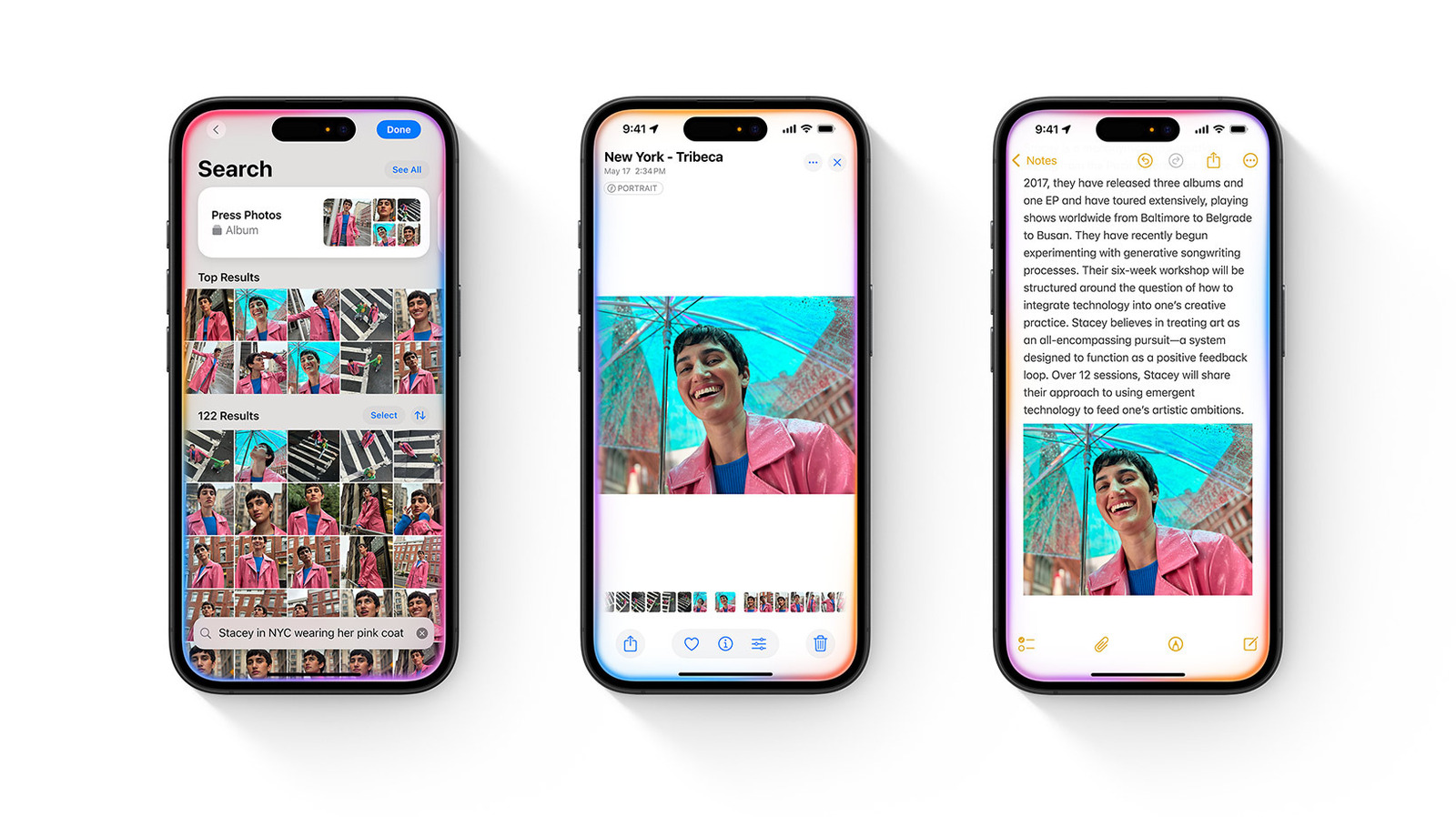
💡Apple opens Intelligence to 3rd-party models—huge for LLM devs targeting iOS.
⚡ 30-Second TL;DR
What Changed
Third-party AI model selection in iOS 27
Why It Matters
Boosts competition in Apple's AI space. Enables developers to integrate custom models. Could accelerate third-party AI adoption on Apple devices.
What To Do Next
Build and test your LLM for compatibility with Apple Intelligence in iOS 27 betas.
Who should care:Developers & AI Engineers
Key Points
- •Third-party AI model selection in iOS 27
- •Support extends to iPads and Macs
- •Enhances generative AI options externally
🧠 Deep Insight
AI-generated analysis for this event.
🔑 Enhanced Key Takeaways
- •Apple has implemented a 'Model Switcher' API within the Private Cloud Compute framework, allowing third-party models to process requests while maintaining end-to-end encryption standards.
- •The integration includes a mandatory 'Privacy Manifest' for third-party developers, ensuring that external models cannot retain user data or train on personal inputs beyond the active session.
- •Apple is utilizing a hybrid on-device/cloud routing architecture that dynamically selects between the local Apple Intelligence model and the user-selected third-party model based on task complexity and latency requirements.
📊 Competitor Analysis▸ Show
| Feature | Apple Intelligence (iOS 27) | Google Gemini (Android) | Samsung Galaxy AI |
|---|---|---|---|
| Model Choice | User-selectable (Open Ecosystem) | Primarily Gemini-native | Primarily Google/Samsung models |
| Privacy Architecture | Private Cloud Compute (E2EE) | Cloud-based processing | Hybrid (On-device/Cloud) |
| OS Integration | Deep System-level API | App-level/System-level | System-level (One UI) |
🛠️ Technical Deep Dive
- •Implementation of the 'Model Switcher' API allows for standardized input/output formatting across heterogeneous LLM architectures.
- •Private Cloud Compute (PCC) nodes now support containerized execution environments for third-party models, isolated from Apple's core infrastructure.
- •Dynamic routing logic utilizes a lightweight 'Router Model' on-device to determine if a query requires the specialized capabilities of a third-party model or can be handled by the local Apple Foundation Model.
- •Strict memory-mapping constraints are enforced for third-party models to prevent side-channel attacks on the host OS.
🔮 Future ImplicationsAI analysis grounded in cited sources
Apple will transition to a revenue-sharing model for third-party AI providers.
The opening of the ecosystem to external models creates a marketplace dynamic where Apple can leverage its user base to charge transaction fees for premium model access.
Third-party AI developers will prioritize iOS-specific optimization over Android.
The ability to integrate directly into the system-level 'Model Switcher' provides a superior user experience compared to the fragmented implementation of AI on Android.
⏳ Timeline
2024-06
Apple announces the initial Apple Intelligence framework at WWDC.
2024-09
Apple Intelligence launches with iOS 18, focusing on proprietary on-device and cloud models.
2025-06
Apple introduces the Private Cloud Compute (PCC) architecture for enhanced privacy.
2026-03
Apple releases the Model Switcher API to select developer partners for beta testing.
📰
Weekly AI Recap
Read this week's curated digest of top AI events →
👉Related Updates
AI-curated news aggregator. All content rights belong to original publishers.
Original source: Engadget ↗