Apple Explains M5's Three Core Types
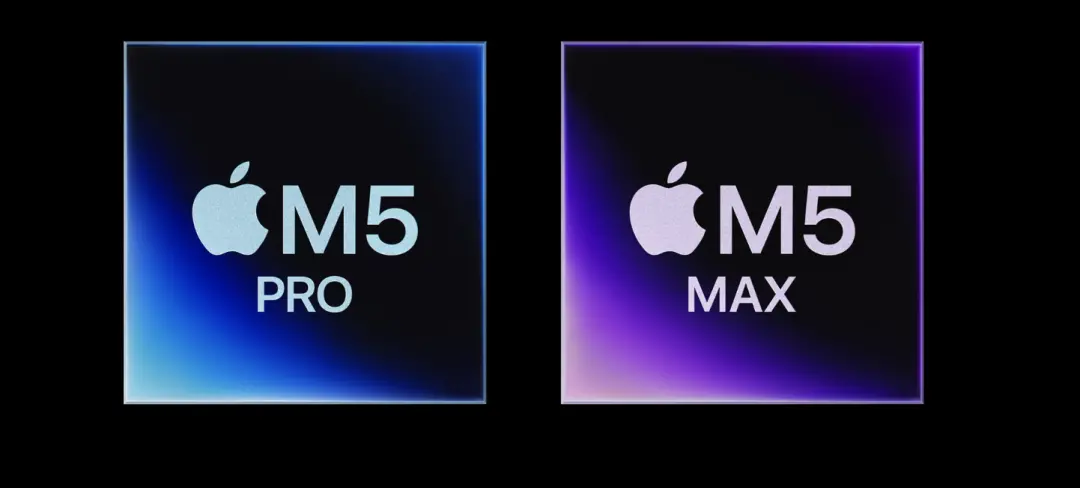
💡Apple's M5 core design optimizes diverse workloads incl. AI—key for on-device ML devs
⚡ 30-Second TL;DR
What Changed
M5 chips vary by core types and counts across MacBook models
Why It Matters
This heterogeneous core architecture could enhance on-device AI efficiency by matching workloads to optimal cores, benefiting Apple Intelligence features. Developers may see improved ML inference speeds on future Macs.
What To Do Next
Benchmark M5 prototypes for ML inference using Core ML to compare core utilization.
Key Points
- •M5 chips vary by core types and counts across MacBook models
- •New intermediate performance cores added between efficiency and high-performance
- •Three core types designed for distinct task scenarios
- •Explanation from Apple interview with German media Mac&i
🧠 Deep Insight
AI-generated analysis for this event — not the original article.
🔑 Enhanced Key Takeaways
- •The M5 architecture utilizes a 'big.middle.little' design, where the new intermediate cores are specifically optimized for sustained background tasks and moderate-load applications to reduce thermal throttling.
- •Apple's implementation of the intermediate cores leverages a refined 2nm process node, allowing for higher power efficiency compared to the M4 generation's 3nm process.
- •The scheduling logic in macOS has been updated to dynamically migrate threads between the three core types based on real-time power-draw telemetry, rather than just task priority.
📊 Competitor Analysis▸ Show
| Feature | Apple M5 (Pro/Max) | Qualcomm Snapdragon X Elite | Intel Core Ultra (Series 3) |
|---|---|---|---|
| Architecture | 3-Tier (P/M/E) | 2-Tier (P/E) | 2-Tier (P/E) |
| Process Node | 2nm | 4nm | 3nm (Intel 18A) |
| Target TDP | 15W - 60W | 20W - 45W | 15W - 55W |
| NPU Performance | 45+ TOPS | 45 TOPS | 48 TOPS |
🛠️ Technical Deep Dive
- Architecture: Tri-cluster design consisting of 'Performance' (Firestorm-successor), 'Intermediate' (Efficiency-plus), and 'Efficiency' (E-core) clusters.
- Process Node: Manufactured on TSMC's N2 (2nm) process, enabling higher transistor density and improved leakage control.
- Memory Controller: Supports LPDDR6X, providing significantly higher bandwidth for the intermediate cores to handle data-intensive background tasks without saturating the main memory bus.
- Cache Hierarchy: Introduction of a shared L2 cache pool between the intermediate and efficiency clusters to minimize latency during thread migration.
🔮 Future ImplicationsAI analysis grounded in cited sources
⏳ Timeline
Weekly AI Recap
Read this week's curated digest of top AI events →
👉Related Updates
AI-curated news aggregator. All content rights belong to original publishers.
Original source: cnBeta (Full RSS) ↗
This is a summary, not the original. Read the source, or get the weekly briefing.
The weekly digest
One email a week. Unsubscribe anytime.