Apple AI Glasses Rival Meta with Styles, Cameras
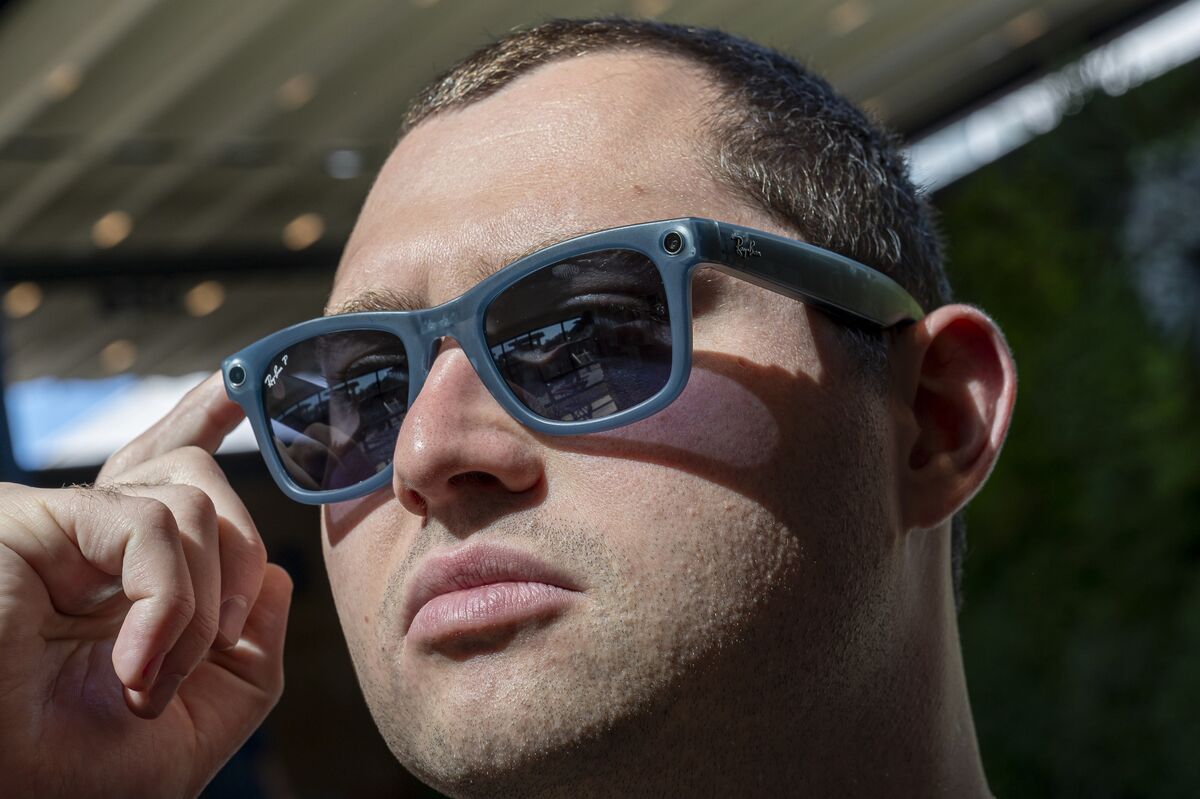
💡Apple challenges Meta in AI glasses—new AR platforms for devs ahead.
⚡ 30-Second TL;DR
What Changed
Apple plans AI glasses to rival Meta's offerings
Why It Matters
Intensifies AI wearables competition between Apple and Meta, potentially driving AR/AI app ecosystems. AI practitioners gain new hardware platform for vision-based applications.
What To Do Next
Test ARKit Vision APIs for compatibility with potential Apple AI glasses features.
Key Points
- •Apple plans AI glasses to rival Meta's offerings
- •Multiple styles for varied user preferences
- •Oval cameras for distinctive AI vision design
- •Teases foldable iPhone developments
🧠 Deep Insight
AI-generated analysis for this event — not the original article.
🔑 Enhanced Key Takeaways
- •Apple's project, internally codenamed 'Atlas,' is reportedly leveraging the company's latest multimodal LLM capabilities to enable real-time environmental analysis and object recognition.
- •The glasses are expected to integrate with Apple's 'Visual Intelligence' framework, allowing the hardware to interface directly with the user's iPhone for heavy computational tasks while maintaining low-latency local processing.
- •Supply chain reports indicate that Apple is exploring advanced micro-OLED display technology for the glasses, aiming to differentiate from Meta's camera-only approach by potentially offering limited augmented reality overlays.
📊 Competitor Analysis▸ Show
| Feature | Apple 'Atlas' (Projected) | Meta Orion/Ray-Ban | Snap Spectacles (Gen 5) |
|---|---|---|---|
| Primary Focus | Multimodal AI/Ecosystem | Social/AI Assistant | AR/Developer Platform |
| Display | Micro-OLED (Potential) | Waveguide AR | Waveguide AR |
| Camera | Oval/High-Res | 12MP Ultrawide | Dual RGB |
| Pricing | Premium (TBD) | $299 - $349 | $99/mo (Subscription) |
🛠️ Technical Deep Dive
- Architecture: Likely utilizes a custom 'A-series' derivative chip optimized for on-device neural processing to minimize latency for AI vision tasks.
- Sensor Suite: Incorporates high-fidelity spatial audio arrays and multiple outward-facing cameras for depth mapping and environmental context.
- Connectivity: Deep integration with the UWB (Ultra-Wideband) chip for precise spatial awareness and seamless handoff between Apple devices.
- Power Management: Employs a distributed battery system within the frame arms to maintain a lightweight form factor while supporting all-day AI processing.
🔮 Future ImplicationsAI analysis grounded in cited sources
⏳ Timeline
📰 Event Coverage
Weekly AI Recap
Read this week's curated digest of top AI events →
👉Related Updates
AI-curated news aggregator. All content rights belong to original publishers.
Original source: Bloomberg Technology ↗
This is a summary, not the original. Read the source, or get the weekly briefing.
The weekly digest
One email a week. Unsubscribe anytime.