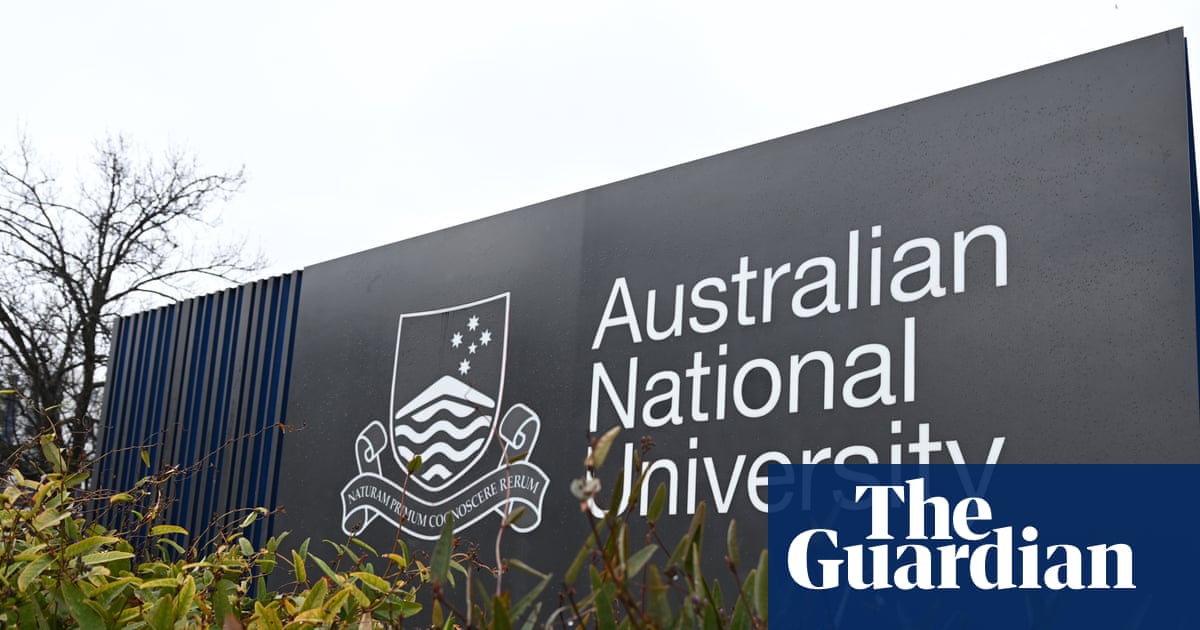
ANU faces backlash over AI cheating crackdown
💡Understand the growing academic pushback against AI and how it may shape future institutional policy and tool adoption.
⚡ 30-Second TL;DR
What Changed
ANU staff describe the university's anti-AI measures as 'hysterical'.
Why It Matters
This highlights a growing tension between academic institutions and AI adoption, suggesting that universities may soon implement stricter, potentially restrictive, AI usage policies that could affect how AI tools are integrated into research workflows.
What To Do Next
If you are building AI tools for education, prioritize developing transparent provenance and attribution features to help institutions verify AI-assisted work.
Key Points
- •ANU staff describe the university's anti-AI measures as 'hysterical'.
- •Concerns raised about the risk of losing intellectual capability to China and California-based AI firms.
- •Tertiary institutions are struggling to maintain assessment integrity in the age of generative AI.
- •Debate persists on whether to ban AI or integrate it into academic rigour.
🧠 Deep Insight
AI-generated analysis for this event.
🔑 Enhanced Key Takeaways
- •ANU's policy shift follows a broader trend among Australian Group of Eight universities, which have been standardizing AI detection tools despite documented high false-positive rates.
- •The backlash specifically highlights the 'Turnitin' AI detection integration, which faculty members argue lacks transparency regarding its training data and classification thresholds.
- •Internal documents suggest ANU's crackdown was prompted by a significant spike in 'academic integrity breach' reports during the 2025 academic year, though many cases were later overturned upon manual review.
- •The university's Academic Board is currently debating a 'human-in-the-loop' policy that would mandate human verification before any AI-generated evidence can be used to penalize a student.
- •Critics within the faculty argue that the university's reliance on third-party detection software creates a 'black box' disciplinary process that undermines the principles of natural justice.
🔮 Future ImplicationsAI analysis grounded in cited sources
⏳ Timeline
Weekly AI Recap
Read this week's curated digest of top AI events →
👉Related Updates

AI-curated news aggregator. All content rights belong to original publishers.
Original source: The Guardian Technology ↗