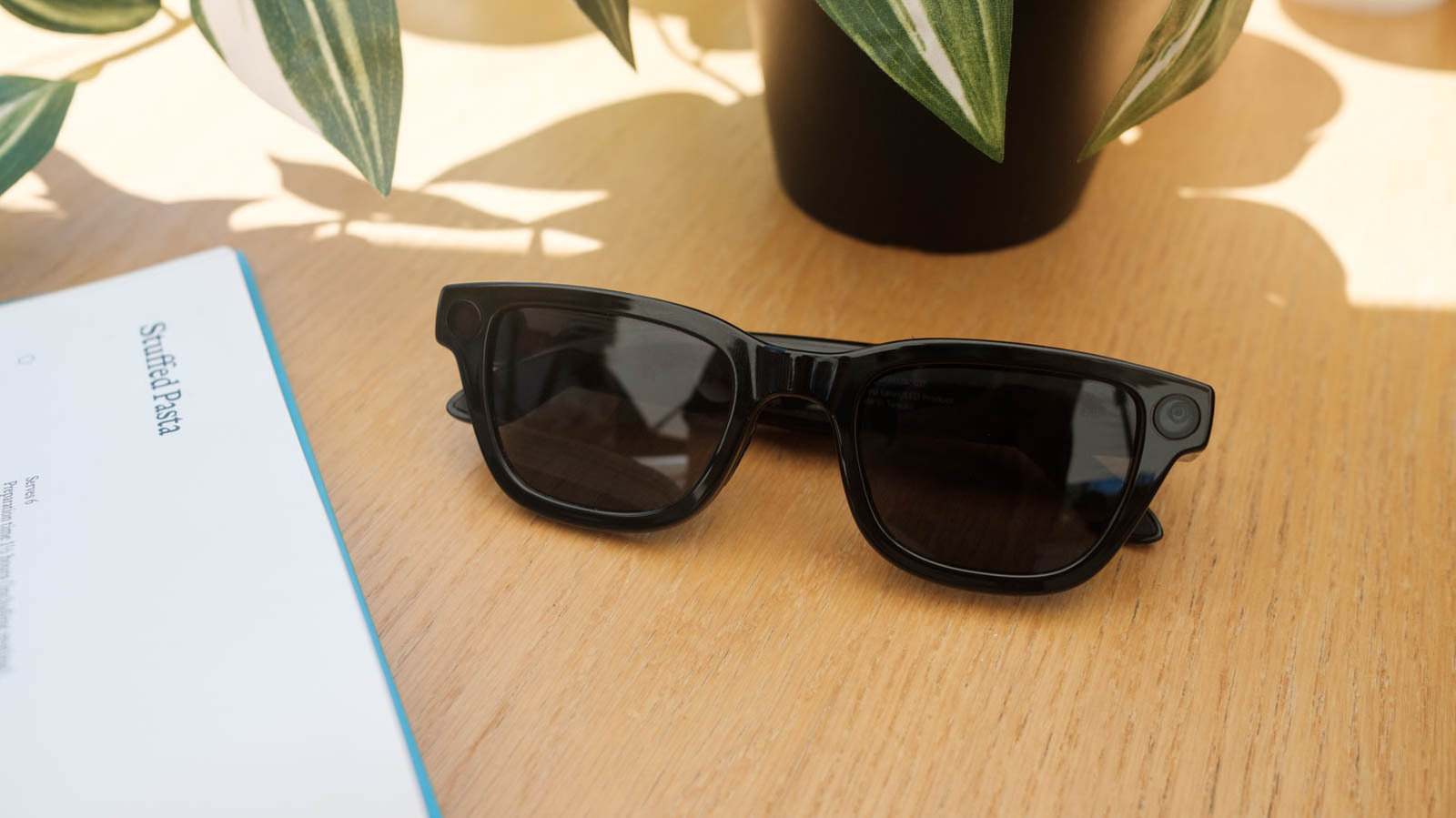
Android XR platform gains momentum for smart glasses
💡Google's entry into XR could redefine the spatial computing developer ecosystem. Don't miss the platform shift.
⚡ 30-Second TL;DR
What Changed
Google is actively developing the Android XR ecosystem for wearables
Why It Matters
This signals a major shift in Google's hardware strategy toward spatial computing. Developers should prepare for new APIs that will bridge mobile Android apps with XR interfaces.
What To Do Next
Monitor the Android Developers blog for the upcoming XR SDK release to prototype spatial UI interactions.
Key Points
- •Google is actively developing the Android XR ecosystem for wearables
- •Focus on integrating smart glasses with existing Android services
- •Strategic push to compete with established spatial computing platforms
🧠 Deep Insight
Web-grounded analysis with 25 cited sources.
🔑 Enhanced Key Takeaways
- •Google is collaborating with Samsung, Xreal, and fashion brands like Gentle Monster and Warby Parker to launch the first Android XR smart glasses, with initial "audio glasses" expected in Fall 2026.
- •The Android XR platform deeply integrates Google's Gemini AI, enabling features such as navigation assistance, personalized suggestions, summarized notifications, calendar additions, and real-time translation with voice matching.
- •Android XR utilizes a projection-based architecture where the smartphone acts as the central compute and state owner, while the smart glasses function as a lightweight, context-aware projected interface for glanceable and ambient interaction.
- •The platform supports a variety of XR devices, including XR headsets, wired XR glasses, and AI glasses, with a distinction made between "audio glasses" and future "display glasses" that will have built-in displays in the lenses.
- •Google has opened the Android XR Developer Catalyst Program, offering hardware developer kits for partners like Xreal to foster a robust software ecosystem.
📊 Competitor Analysis▸ Show
| Feature/Platform | Apple Vision Pro | Samsung Galaxy XR (Android XR) | Meta Quest 3 (Meta Horizon OS) | Xreal Project Aura (Android XR) |
|---|---|---|---|---|
| Operating System | visionOS | Android XR | Meta Horizon OS (custom Android) | Android XR |
| Form Factor | Mixed Reality Headset | Mixed Reality Headset | VR/MR Headset | Wired AR Glasses |
| Price (approx.) | $3,500 | $1,799 - $1,800 | $499 | Pricing not yet announced |
| Display Resolution | ~23 million total pixels (4K per eye) | ~27-29 million total pixels (3,552x3,840 per eye) | Not specified, but lower than Galaxy XR | Birdbath-style optics, sharp displays |
| Refresh Rate | Up to 120Hz | 60-90Hz (variable), 90Hz max | Not specified, but 120Hz on latest model | Not specified |
| Field of View (FoV) | ~100 degrees (estimated horizontal) | 109 degrees horizontal, 100 vertical | Not specified | 70-degree+ |
| Processor | Apple M2/M5 chip | Snapdragon XR2+ Gen 2 | Snapdragon XR2 Gen 2 | Qualcomm Snapdragon XR platform (likely XR2+ Gen 2 class) |
| AI Integration | Limited, but uses Apple's ecosystem | Deep Google Gemini integration | AI assistant, but not as deeply integrated as Gemini | Deep Gemini AI integration |
| App Ecosystem | visionOS App Store (1.5M compatible iOS apps, many opt-out) | Google Play Store (nearly all 3.5M Android apps), Android XR apps, OpenXR/WebXR support | Meta Quest Store, custom Android apps | Google Play + Android XR apps + OpenXR/WebXR support |
| Key Differentiators | High resolution, premium build, strong Apple ecosystem integration | Open ecosystem, strong Google/Samsung/Qualcomm alliance, Gemini AI, lower price than Vision Pro | Aggressive pricing, established VR gaming ecosystem | Lightweight, tethered compute puck, optical see-through design, autospatialization |
🛠️ Technical Deep Dive
- Operating System: Android XR is a purpose-built spatial computing operating system, an extension of the Android platform and ecosystem.
- Architecture for AI Glasses: Employs a projection-based architecture where the phone serves as the central compute and state owner, and the glasses act as a stateless rendering and input surface.
- Runtime: The Android XR runtime manages projection, session lifecycle, and state synchronization between the phone and glasses.
- SDK: The Android XR SDK includes tools and libraries for building experiences across XR headsets, wired XR glasses, and AI glasses.
- Developer Tools: Development uses official tooling in Android Studio (latest version), including Android XR templates and an XR Emulator.
- API Capabilities: Provides dedicated APIs for spatial input (hand, head, eye tracking), passthrough video, spatial scene understanding, anchors, meshing, stereoscopic windows, XR permissions, and system UI.
- Integration with Snapdragon Spaces: Android XR integrates with Qualcomm's Snapdragon Spaces SDK, which provides tracking, spatial mapping, hand tracking, and passthrough capabilities. Snapdragon Spaces is being folded into Android XR, ensuring compatibility and a common feature set across devices.
- Game Engine Support: Offers official support for Unity (Unity 6, AR Foundation 6, XR Interaction Toolkit 3), Unreal Engine, and Godot.
- ARCore: Google's SDK for building augmented reality experiences, providing motion tracking, environmental understanding, and light estimation, which can enrich context for Android XR.
- UI Framework: Utilizes Compose Glimmer for core UI structure, with projected activities and conditional UI patterns.
- AI Integration: Features deep integration with Gemini AI for various functionalities.
🔮 Future ImplicationsAI analysis grounded in cited sources
⏳ Timeline
📎 Sources (25)
Factual claims are grounded in the sources below. Forward-looking analysis is AI-generated interpretation.
- 9to5google.com
- mashable.com
- androidheadlines.com
- roadtovr.com
- droid-life.com
- medium.com
- android.com
- androidcentral.com
- framesixty.com
- androidcentral.com
- mashable.com
- youtube.com
- androidauthority.com
- reloptix.com
- macrumors.com
- medium.com
- cnet.com
- framesixty.com
- googleblog.com
- qualcomm.com
- techsponential.com
- arcgis.com
- wikipedia.org
- daily.dev
- designial.com
Weekly AI Recap
Read this week's curated digest of top AI events →
👉Related Updates
AI-curated news aggregator. All content rights belong to original publishers.
Original source: Engadget ↗