Analyzing Masayoshi Son's 'Goose Theory' on SoftBank Valuation
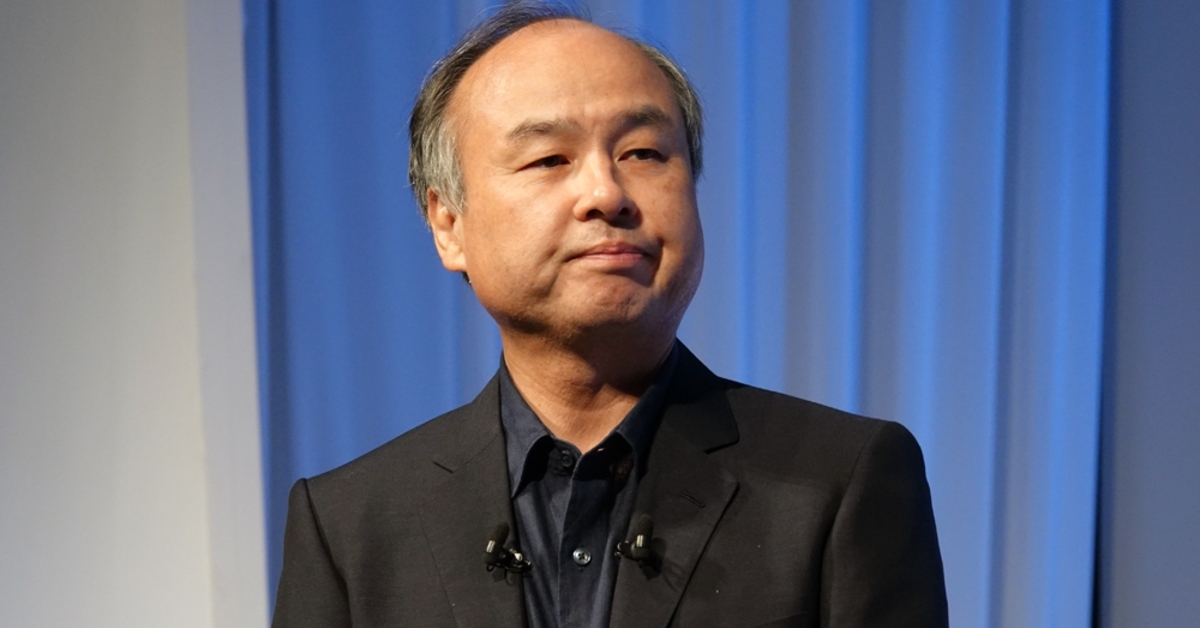
Understand the investment logic driving one of the world's largest AI capital allocators.
30-Second TL;DR
What Changed
Masayoshi Son argues that SoftBank Group's market cap significantly undervalues its underlying assets.
Why It Matters
Understanding SoftBank's investment philosophy is crucial for AI founders, as their capital allocation strategy heavily dictates the funding landscape for global AI startups.
What To Do Next
Monitor SoftBank's quarterly earnings reports and Arm's performance metrics to gauge the shifting appetite for AI infrastructure investments.
Key Points
- •Masayoshi Son argues that SoftBank Group's market cap significantly undervalues its underlying assets.
- •The 'Goose Theory' focuses on the long-term value of AI-centric investments rather than short-term stock performance.
- •Critics question the volatility and liquidity risks inherent in the NAV calculation method used by SoftBank.
Deep Insight
AI-generated analysis for this event — not the original article.
Enhanced Key Takeaways
- •SoftBank's NAV calculation heavily relies on the valuation of Arm Holdings, which has seen its market capitalization surge due to its central role in the AI semiconductor ecosystem.
- •The 'Goose Theory' metaphor refers to the idea that SoftBank is nurturing 'golden geese' (AI companies) that will eventually produce 'golden eggs' (massive capital returns), justifying the holding company discount.
- •SoftBank has shifted its strategy toward 'AI-focused defensive and offensive' positioning, significantly increasing its cash reserves to pivot toward large-scale AI infrastructure investments.
- •Institutional investors often apply a 'conglomerate discount' to SoftBank, arguing that the complexity and opacity of its private equity-style portfolio make it difficult to value accurately compared to pure-play tech stocks.
- •Masayoshi Son has increasingly utilized LTV (Loan-to-Value) ratios as a primary risk management metric, aiming to keep the ratio below 25% even during periods of aggressive AI investment.
Future ImplicationsAI analysis grounded in cited sources
Timeline
- 2017-05SoftBank launches the Vision Fund 1, marking its aggressive pivot toward large-scale AI and tech investments.
- 2020-03SoftBank announces a massive share buyback program to address the widening gap between its market cap and NAV.
- 2023-09Arm Holdings completes its IPO on the Nasdaq, becoming a cornerstone asset for SoftBank's NAV calculations.
- 2024-06Masayoshi Son publicly declares his shift to 'offensive' mode, focusing exclusively on AGI (Artificial General Intelligence) development.
Weekly AI Recap
Read this week's curated digest of top AI events →
Related Updates
AI-curated news aggregator. All content rights belong to original publishers.
Original source: ITmedia AI+ (日本) ↗
This is a summary, not the original. Read the source, or get the weekly briefing.
The weekly digest
One email a week. Unsubscribe anytime.