🇭🇰SCMP Technology•Stalecollected in 4m
Alibaba AI Revenue Triples 11th Quarter
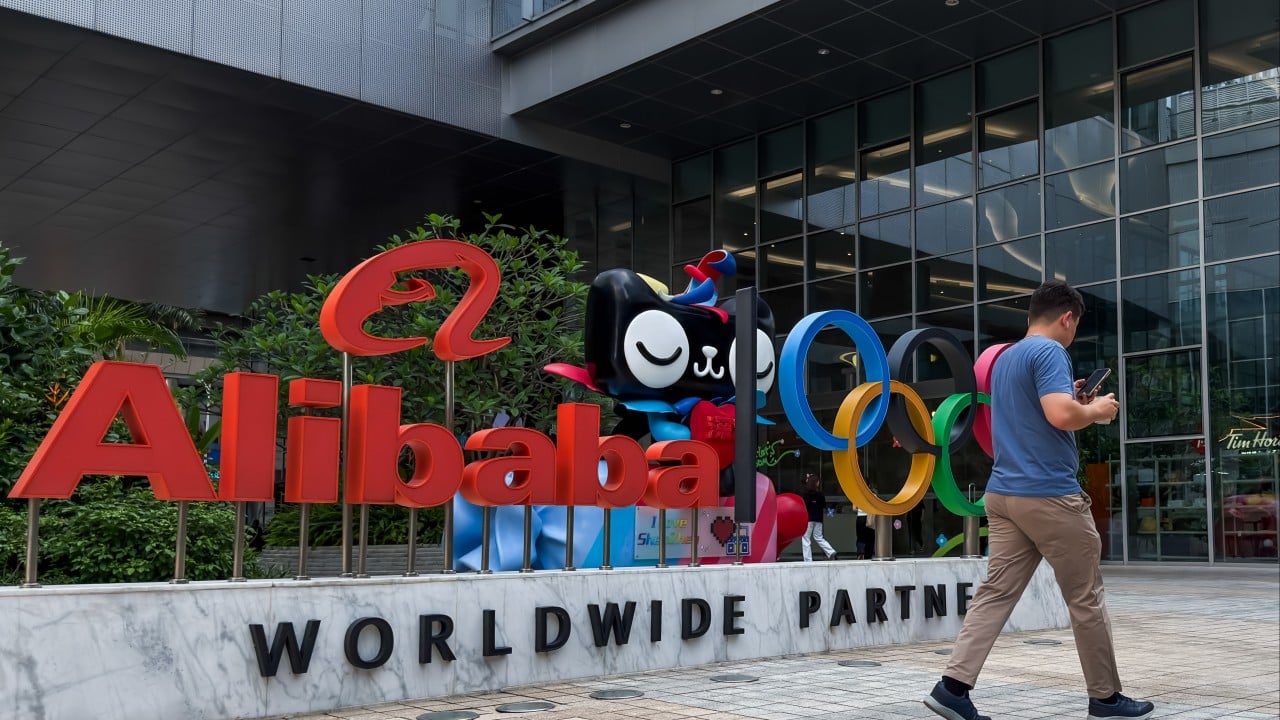
💡Alibaba AI revenue triples for 11th quarter—key signal of China AI boom for devs eyeing partnerships.
⚡ 30-Second TL;DR
What Changed
AI revenue reached 8.97 billion yuan (US$1.32B)
Why It Matters
Alibaba's sustained AI growth highlights robust demand in China, potentially accelerating cloud AI investments. Strategic reshuffle may prioritize AI, influencing competitors' strategies.
What To Do Next
Test Alibaba Cloud AI APIs in their console for high-growth models targeting China.
Who should care:Enterprise & Security Teams
Key Points
- •AI revenue reached 8.97 billion yuan (US$1.32B)
- •Triple-digit growth for 11th consecutive quarter
- •First public disclosure of AI segment revenue
- •Contributed to 3% overall revenue increase
🧠 Deep Insight
AI-generated analysis for this event.
🔑 Enhanced Key Takeaways
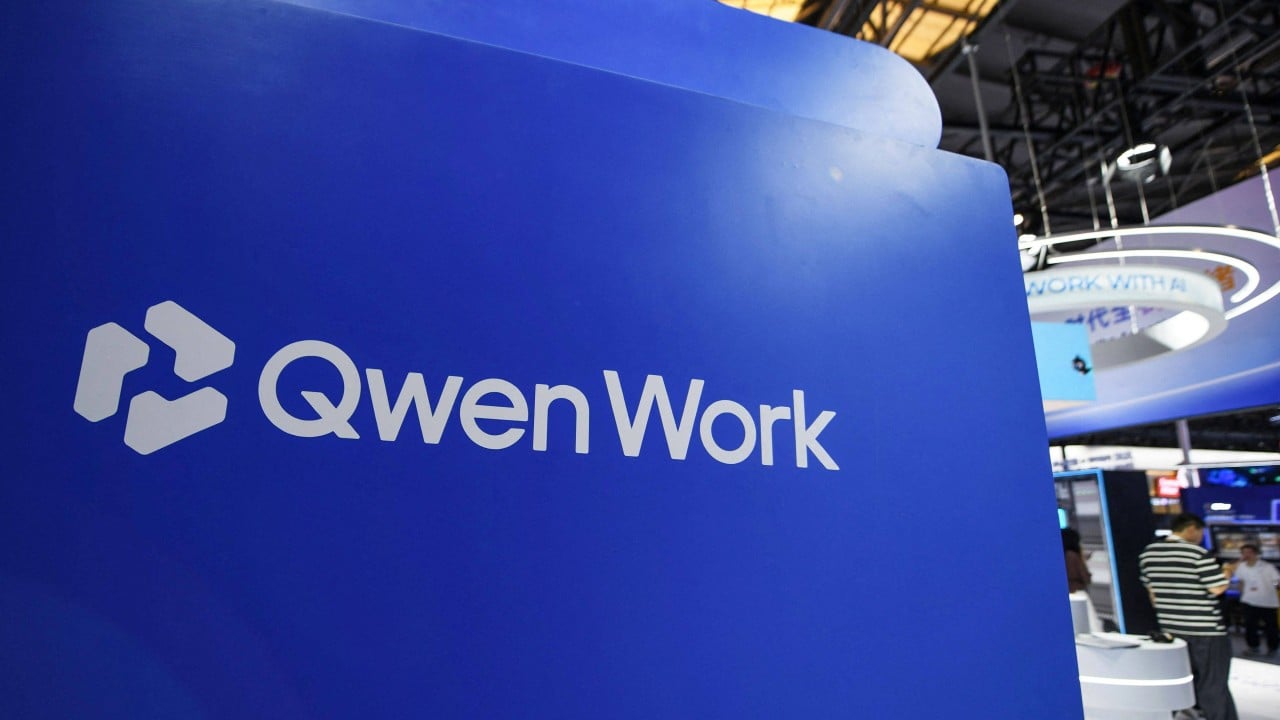
- •The revenue surge is primarily driven by Alibaba Cloud's 'Qwen' series of large language models, which have seen rapid adoption among enterprise clients for API-based integration.
- •Alibaba's strategic reshuffle involves integrating its AI research division more closely with its cloud computing infrastructure to accelerate the commercialization of generative AI applications.
- •The 8.97 billion yuan figure reflects a shift in reporting standards, as Alibaba moves to isolate AI-driven cloud services from traditional IaaS (Infrastructure as a Service) revenue to demonstrate growth momentum to investors.
📊 Competitor Analysis▸ Show
| Feature | Alibaba (Qwen) | Tencent (Hunyuan) | Baidu (Ernie) |
|---|---|---|---|
| Primary Focus | Open-source & Cloud API | Enterprise/Social Integration | Search & Industrial AI |
| Model Architecture | Mixture-of-Experts (MoE) | Transformer-based | Transformer-based |
| Market Strategy | Aggressive Open-Source | Ecosystem Synergy | First-mover Advantage |
🛠️ Technical Deep Dive
- Model Architecture: Qwen utilizes a Mixture-of-Experts (MoE) architecture, allowing for efficient scaling and lower inference costs compared to dense models.
- Training Infrastructure: Leverages Alibaba's proprietary PAI (Platform for AI) and Hanguang 800 NPU clusters to optimize training throughput.
- API Capabilities: Supports multi-modal inputs (text, image, audio) and long-context windows exceeding 1 million tokens for enterprise document analysis.
🔮 Future ImplicationsAI analysis grounded in cited sources
Alibaba will prioritize AI-native cloud services over traditional storage and compute revenue by 2027.
The triple-digit growth in AI revenue relative to overall cloud growth suggests a strategic pivot toward high-margin AI software services.
The company will increase capital expenditure on specialized AI hardware to maintain triple-digit growth.
Sustaining such high growth rates requires massive investment in GPU/NPU clusters to meet the increasing demand for model inference.
⏳ Timeline
2023-04
Alibaba Cloud officially launches the Tongyi Qianwen (Qwen) large language model.
2023-08
Alibaba open-sources the Qwen-7B model, marking a shift in its AI ecosystem strategy.
2024-02
Release of Qwen1.5, significantly expanding the model's capabilities and parameter sizes.
2025-01
Alibaba restructures its cloud and AI divisions to streamline product development and sales.
2026-05
First public disclosure of AI-specific revenue reaching 8.97 billion yuan.
📰
Weekly AI Recap
Read this week's curated digest of top AI events →
👉Related Updates


AI-curated news aggregator. All content rights belong to original publishers.
Original source: SCMP Technology ↗