Alabama Zoning Gap Lets Bitcoin Mine Proceed
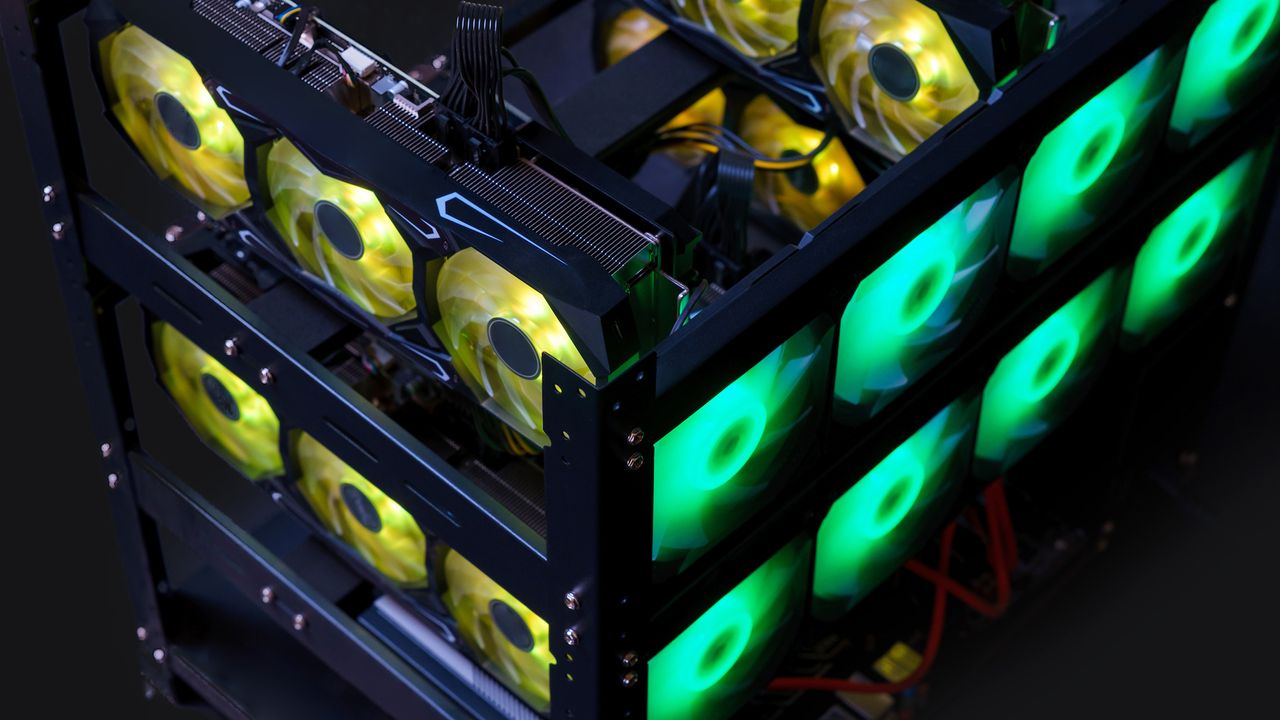
💡A Bitcoin mine’s zoning loophole offers a warning for anyone siting power-hungry AI data centers.
⚡ 30-Second TL;DR
What Changed
The facility is expected to draw approximately 50 MW of power.
Why It Matters
The dispute highlights permitting and grid-capacity risks for operators planning large AI or high-performance computing facilities. Similar zoning gaps could accelerate data-center construction before communities establish clear oversight rules.
What To Do Next
Before selecting a U.S. site for GPU deployments, run a permitting review covering county moratoriums, statewide zoning gaps, utility capacity, and community opposition.
Key Points
- •The facility is expected to draw approximately 50 MW of power.
- •Local governments imposed moratoriums intended to restrict or delay Bitcoin mining operations.
- •Alabama’s lack of appropriate statewide zoning rules may allow the project to bypass local opposition.
🧠 Deep Insight
AI-generated analysis for this event.
🔑 Enhanced Key Takeaways
- •The legal loophole centers on the classification of data centers as 'industrial' or 'utility' infrastructure, which often supersedes local zoning ordinances in Alabama's unincorporated areas.
- •Local residents and environmental groups have cited noise pollution and grid strain as primary drivers for the moratoriums, which the mining operator argues are preempted by state-level economic development statutes.
- •Alabama's legislative framework currently lacks specific 'high-density computing' zoning categories, leaving a regulatory vacuum that allows projects to bypass traditional public hearing processes.
- •The 50 MW facility is projected to utilize immersion cooling technology to mitigate the high ambient temperatures of the Alabama climate, significantly increasing the facility's water usage requirements.
- •State-level utility regulators are currently reviewing whether such large-scale mining operations qualify for industrial electricity rate subsidies, which could further complicate the project's economic viability.
🛠️ Technical Deep Dive
- Power Capacity: 50 MW total load designed for high-density ASIC deployment.
- Cooling System: Two-phase immersion cooling architecture to maintain optimal hashboard temperatures in high-humidity environments.
- Grid Interconnection: Direct connection to high-voltage transmission lines to bypass local distribution bottlenecks.
- Infrastructure: Modular containerized data center design allowing for rapid scaling and potential relocation.
🔮 Future ImplicationsAI analysis grounded in cited sources
⏳ Timeline
Weekly AI Recap
Read this week's curated digest of top AI events →
👉Related Updates
AI-curated news aggregator. All content rights belong to original publishers.
Original source: Tom's Hardware ↗