AIスキル格差、エンジニアの6割が実感
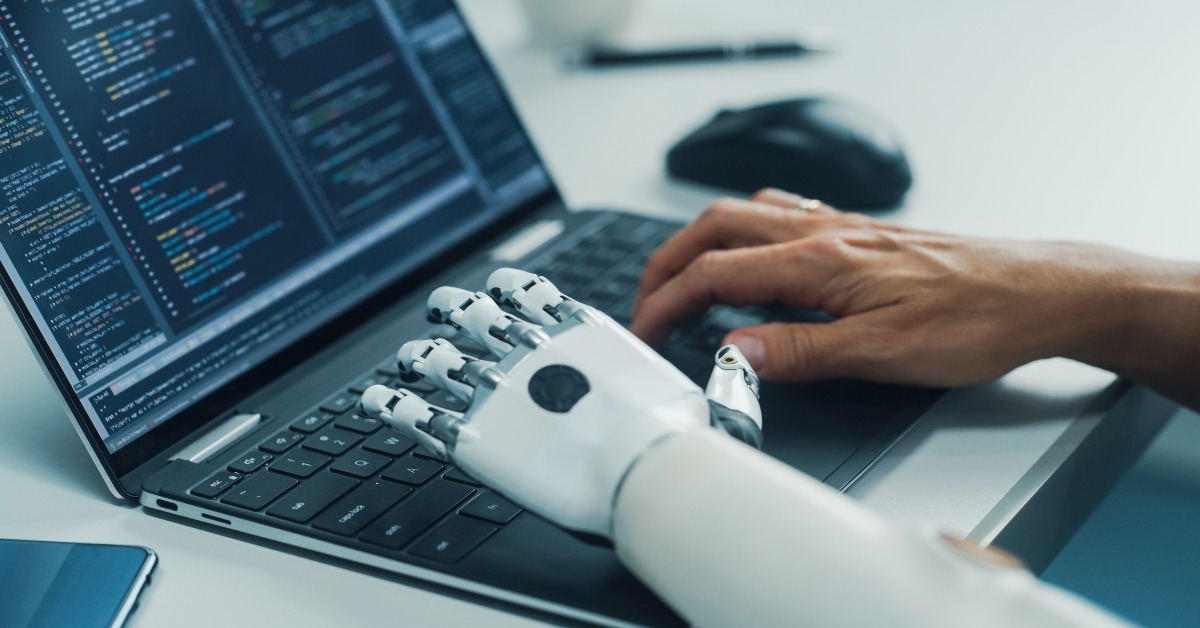
💡AI usage is becoming a measurable career advantage—see what 572 engineers are experiencing.
⚡ 30-Second TL;DR
What Changed
調査対象は572人のITエンジニアで、AI活用に関する実感を収集している
Why It Matters
The findings suggest that organizations may increasingly evaluate not only AI adoption, but also the quality and breadth of employee usage. AI practitioners should treat tool fluency as a career capability and document measurable gains from their workflows.
What To Do Next
Run a 30-day GitHub Copilot pilot with baseline metrics for task time, review effort, and defect rates, then document the results in your engineering portfolio.
Key Points
- •調査対象は572人のITエンジニアで、AI活用に関する実感を収集している
- •AIを使うかどうかだけでなく、使いこなす能力の差が業務効率に影響している
- •AIスキルの差が仕事上の評価やキャリアにも波及し始めている
- •企業や個人にとって、AI活用スキルの底上げが重要な課題になっている
🧠 Deep Insight
AI-generated analysis for this event.
🔑 Enhanced Key Takeaways
- •The 'AI divide' is increasingly manifesting as a 'prompt engineering' and 'AI orchestration' gap, where senior engineers are shifting from writing code to managing AI-driven development workflows.
- •Recent industry data indicates that companies are beginning to implement 'AI-augmented performance reviews,' where the ability to leverage LLMs for debugging and documentation is becoming a formal KPI.
- •There is a growing trend of 'shadow AI' usage among engineers, where individuals use unauthorized AI tools to bypass corporate security, creating a new layer of technical debt and compliance risk.
- •Educational initiatives are shifting from teaching basic syntax to 'AI-native software engineering,' focusing on system design that accounts for non-deterministic AI outputs.
- •Economic analysis suggests that the productivity premium for AI-proficient engineers is creating a bifurcated labor market, with salary bands widening based on AI-tooling proficiency.
🛠️ Technical Deep Dive
- Shift toward Agentic Workflows: Engineers are moving from simple chat-based interactions to multi-agent systems (e.g., AutoGPT, LangGraph) that automate end-to-end testing and deployment pipelines.
- RAG Integration: Proficiency in Retrieval-Augmented Generation (RAG) is becoming a critical skill for engineers to ground AI outputs in proprietary codebase context.
- Evaluation Frameworks: Adoption of automated evaluation tools (e.g., RAGAS, DeepEval) to measure the quality of AI-generated code and documentation is becoming standard practice for high-performing teams.
🔮 Future ImplicationsAI analysis grounded in cited sources
⏳ Timeline
Weekly AI Recap
Read this week's curated digest of top AI events →
👉Related Updates
AI-curated news aggregator. All content rights belong to original publishers.
Original source: ITmedia AI+ (日本) ↗