🐯虎嗅•Stalecollected in 2h
AI Wait Sparks Epic Phone Scrolling
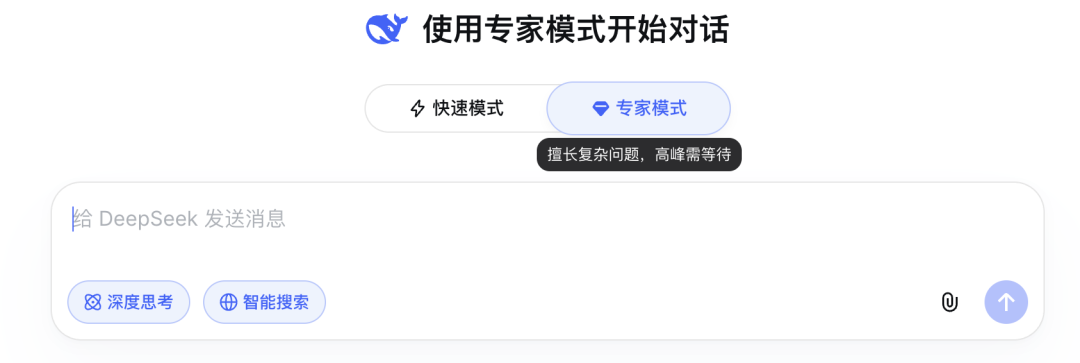
💡Codex pets update gamifies AI waits—try for better UX
⚡ 30-Second TL;DR
What Changed
30s AI 'thinking' turns into 30min scrolling sessions
Why It Matters
Highlights user behavior shifts in AI era, boosting engagement via wait-time features. May reduce perceived productivity but adds fun to workflows.
What To Do Next
Test Codex /pet shortcut (Cmd+K) during long generations
Who should care:Developers & AI Engineers
Key Points
- •30s AI 'thinking' turns into 30min scrolling sessions
- •Codex pets via /pet command shows real-time AI progress
- •Claude Code /buddy spawns ASCII pet for coding waits
- •Named 'AI gap slacking' with Vibe Coding resistance tips
🧠 Deep Insight
AI-generated analysis for this event.
🔑 Enhanced Key Takeaways
- •The phenomenon, colloquially termed 'AI-induced task switching' or 'latency-looping,' has prompted productivity software developers to integrate 'gamified waiting' interfaces to mitigate the cognitive cost of context switching during high-latency model inference.
- •Data from behavioral analytics firms indicates that users waiting for complex reasoning tasks (e.g., multi-step coding or data analysis) are 40% more likely to abandon the primary application entirely if no visual feedback is provided during the 'thinking' phase.
- •The 'Codex pets' and 'Claude Code /buddy' features utilize WebSocket-based state streaming to synchronize local UI animations with server-side inference progress, effectively turning opaque latency into a measurable, visual progress indicator.
🛠️ Technical Deep Dive
The implementation of AI-synced UI companions relies on the following technical architecture:
- State Synchronization: Uses Server-Sent Events (SSE) or WebSockets to stream inference status tokens from the LLM backend to the client-side UI.
- Latency Mapping: The animation frame rate or state of the 'pet' is mapped to the model's 'thinking' token generation rate, providing a visual representation of the model's internal processing state.
- Client-Side Rendering: Lightweight ASCII or CSS-based animations are triggered by specific metadata tags in the API response stream, ensuring minimal impact on the main thread's performance during heavy model inference.
🔮 Future ImplicationsAI analysis grounded in cited sources
UI/UX design will shift toward 'latency-aware' interfaces.
As LLM inference times remain non-zero for complex reasoning, developers will prioritize keeping users engaged within the application window to prevent churn.
Gamified waiting will become a standard feature in IDEs.
The success of ASCII-based companions in coding environments suggests that developers prefer low-overhead, non-intrusive visual feedback over static progress bars.
📰
Weekly AI Recap
Read this week's curated digest of top AI events →
👉Related Updates

AI-curated news aggregator. All content rights belong to original publishers.
Original source: 虎嗅 ↗