AI Vendors Dodge Vuln Responsibility
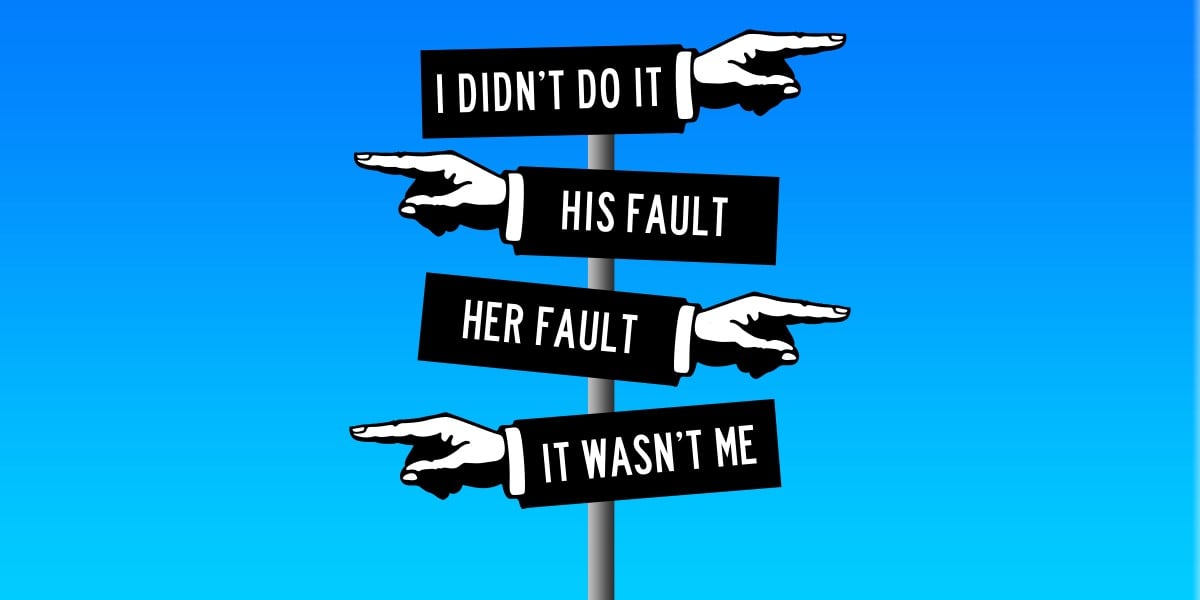
💡AI firms call vulns 'intended'—assess vendor maturity to avoid IT risks
⚡ 30-Second TL;DR
What Changed
AI vendors claim vulns are intentional features, not flaws
Why It Matters
Enterprises adopting AI may face unaddressed vulnerabilities, increasing exposure. This erodes trust in AI tools for production use. Practitioners must independently verify security claims.
What To Do Next
Audit your AI vendors' security policies and test reported vulns before deployment.
Key Points
- •AI vendors claim vulns are intentional features, not flaws
- •They advocate AI for security while avoiding accountability
- •Reveals immaturity in AI companies' security practices
- •Users left to handle risks in corporate IT setups
🧠 Deep Insight
AI-generated analysis for this event — not the original article.
🔑 Enhanced Key Takeaways
- •The industry is currently debating the applicability of traditional CVE (Common Vulnerabilities and Exposures) frameworks to non-deterministic LLM outputs, with vendors arguing that prompt injection and jailbreaking are inherent model behaviors rather than software bugs.
- •Regulatory bodies, including the EU AI Act and emerging NIST AI Risk Management Framework guidelines, are increasingly pressuring vendors to define 'intended use' boundaries to prevent the shifting of liability onto enterprise end-users.
- •Security researchers have identified a growing 'responsibility gap' where vendors provide APIs for third-party integration but disclaim liability for downstream security incidents caused by model hallucinations or data leakage.
🔮 Future ImplicationsAI analysis grounded in cited sources
Weekly AI Recap
Read this week's curated digest of top AI events →
👉Related Updates
AI-curated news aggregator. All content rights belong to original publishers.
Original source: The Register - AI/ML ↗
This is a summary, not the original. Read the source, or get the weekly briefing.
The weekly digest
One email a week. Unsubscribe anytime.