AI Talent Influx Drives San Francisco Home Prices to Record
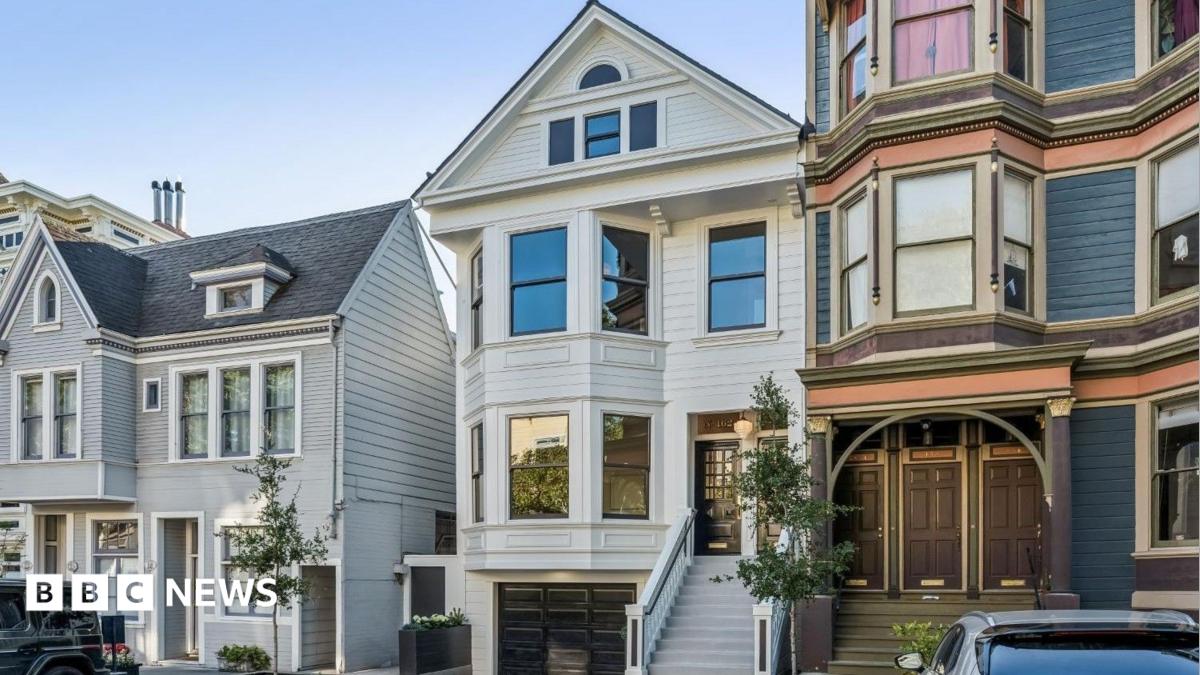
💡Understand how the AI industry's geographic concentration is reshaping the economy and talent market in the Bay Area.
⚡ 30-Second TL;DR
What Changed
San Francisco median home prices reached a record $1.7 million.
Why It Matters
The rising cost of living in AI hubs may force startups to reconsider remote-first hiring strategies to manage operational and talent acquisition costs. It underscores the growing economic divide between AI-centric urban centers and other regions.
What To Do Next
Evaluate your team's geographic distribution and consider remote-first policies to mitigate the impact of rising operational costs in major AI hubs.
Key Points
- •San Francisco median home prices reached a record $1.7 million.
- •The surge is directly attributed to the concentration of wealthy AI workers.
- •The trend reflects the intense geographic clustering of the AI industry in the Bay Area.
🧠 Deep Insight
AI-generated analysis for this event — not the original article.
🔑 Enhanced Key Takeaways
- •The 'AI-driven' housing surge has triggered a significant shift in San Francisco's commercial real estate, with office vacancy rates dropping in the SoMa and Hayes Valley districts as startups prioritize proximity to venture capital hubs.
- •Local municipal data indicates that while median home prices have hit $1.7 million, the inventory of single-family homes has reached a 15-year low due to 'lock-in' effects where existing homeowners refuse to sell.
- •The influx of AI talent has led to a 22% increase in demand for luxury rental properties, further straining the city's middle-income housing market and complicating local legislative efforts to meet state-mandated housing quotas.
- •Economic analysis suggests that the 'AI premium' on housing is disproportionately affecting the service sector, leading to a labor shortage in non-tech industries as essential workers are priced out of the city.
- •San Francisco's tax revenue from property transfers has surged by 18% year-over-year, providing the city with a temporary budget surplus that officials are earmarking for infrastructure upgrades in AI-dense neighborhoods.
🔮 Future ImplicationsAI analysis grounded in cited sources
⏳ Timeline
Weekly AI Recap
Read this week's curated digest of top AI events →
👉Related Updates


AI-curated news aggregator. All content rights belong to original publishers.
Original source: BBC Technology ↗
This is a summary, not the original. Read the source, or get the weekly briefing.
The weekly digest
One email a week. Unsubscribe anytime.