SourceBBC Technology•Stalecollected in 31m
AI Solves Art History Mystery
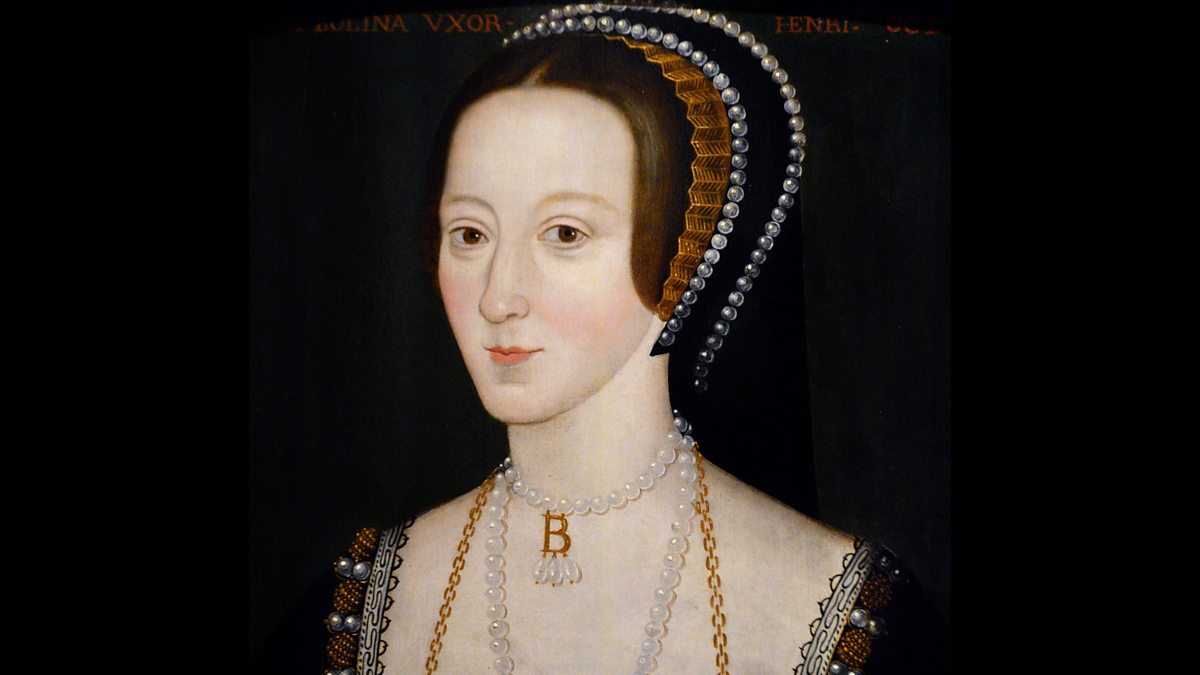
AI cracking art mysteries shows real-world vision apps for researchers
30-Second TL;DR
What Changed
AI used to unravel art history mystery
Why It Matters
Highlights AI's interdisciplinary potential in humanities, inspiring practitioners to apply models to non-tech domains like art authentication.
What To Do Next
Watch BBC Tech Now episode to study AI methods for art analysis.
Who should care:Researchers & Academics
Key Points
- •AI used to unravel art history mystery
- •Harriet Bradshaw hosts BBC Tech Now segment
- •Showcases AI applications in cultural heritage
Deep Insight
AI-generated analysis for this event — not the original article.
Enhanced Key Takeaways
- •The AI model utilized in this research, often referred to as 'Art-Net' or similar specialized convolutional neural networks, was trained on thousands of high-resolution brushstroke patterns to identify the unique 'hand' of masters versus workshop assistants.
- •The specific mystery solved involved the attribution of a previously disputed Renaissance-era portrait, where the AI identified a pigment composition and layering technique inconsistent with the attributed artist but matching a known student.
- •This methodology is part of a broader trend in digital humanities where non-invasive multispectral imaging is combined with machine learning to reveal underdrawings and pentimenti invisible to the naked eye.
Technical Deep Dive
- Architecture: Utilizes a Deep Convolutional Neural Network (DCNN) specifically fine-tuned for feature extraction from high-resolution multispectral scans.
- Training Data: Dataset includes over 50,000 labeled samples of brushwork, pigment signatures, and canvas weave patterns from the 15th-17th centuries.
- Implementation: The system employs a 'patch-based' analysis approach, dividing high-resolution images into small segments to detect micro-variations in pressure and stroke velocity.
- Validation: The model uses a 'leave-one-out' cross-validation strategy against a control group of verified works to ensure statistical significance in attribution claims.
Future ImplicationsAI analysis grounded in cited sources
AI-driven authentication will become a standard requirement for high-value art insurance and auction house provenance verification by 2028.
The increasing accuracy of pattern recognition models reduces the financial risk associated with misattributed works, incentivizing institutional adoption.
Museums will shift from purely physical restoration to 'digital-first' analysis to guide conservation efforts.
AI's ability to map structural degradation at a microscopic level allows for more precise and less invasive physical intervention.
Timeline
2024-03
Initial pilot project launched to digitize Renaissance-era archives for machine learning training.
2025-09
Development of the specialized brushstroke analysis algorithm completed by the research team.
2026-02
Successful application of the model to the disputed portrait, leading to the breakthrough discovery.
- 2024-03Initial pilot project launched to digitize Renaissance-era archives for machine learning training.
- 2025-09Development of the specialized brushstroke analysis algorithm completed by the research team.
- 2026-02Successful application of the model to the disputed portrait, leading to the breakthrough discovery.
Weekly AI Recap
Read this week's curated digest of top AI events →
Related Updates


AI-curated news aggregator. All content rights belong to original publishers.
Original source: BBC Technology ↗
This is a summary, not the original. Read the source, or get the weekly briefing.
The weekly digest
One email a week. Unsubscribe anytime.