AI Predicted to Drive Deflation
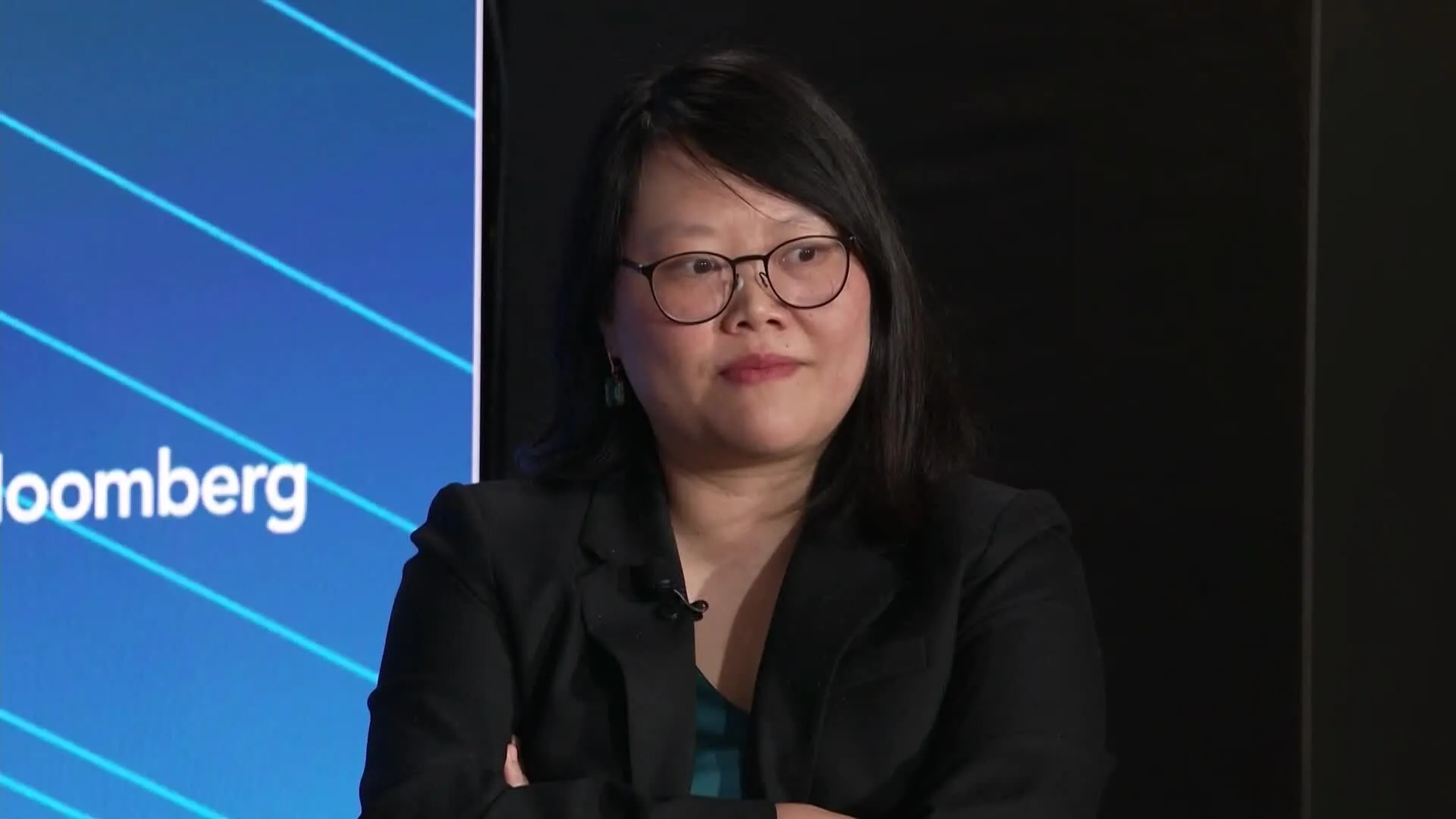
💡AI deflation forecast impacts your compute costs—plan now
⚡ 30-Second TL;DR
What Changed
Anna Wong predicts deflationary AI impact
Why It Matters
Deflationary AI effects could reduce compute costs, benefiting AI deployment at scale. Practitioners should anticipate cheaper inference pricing.
What To Do Next
Factor AI-driven deflation into your long-term cloud budgeting models.
Key Points
- •Anna Wong predicts deflationary AI impact
- •Timeline: next 2-5 years
- •Presented at Bloomberg DC event March 11
🧠 Deep Insight
Background and context from public sources — not the original article. 7 sources cited.
🔑 Enhanced Key Takeaways
- •BlackRock describes AI as enabling disinflationary growth by reducing labor, time, and capital intensity through automation and scalable software[1].
- •AI-related capex contributed to 92% of US GDP growth in the first half of 2025, potentially averting a recession[3].
- •Vanguard anticipates AI-driven productivity gains supporting US growth to 2.25-3% in 2026, though uneven across sectors[4].
🔮 Future ImplicationsAI analysis grounded in cited sources
📎 Sources (7)
Factual claims are grounded in the sources below. Forward-looking analysis is AI-generated interpretation.
Weekly AI Recap
Read this week's curated digest of top AI events →
👉Related Updates


AI-curated news aggregator. All content rights belong to original publishers.
Original source: Bloomberg Technology ↗
This is a summary, not the original. Read the source, or get the weekly briefing.
Weekly AI briefing
One email a week. Unsubscribe anytime.