AI Power Consumption: Beyond Just Generation Capacity
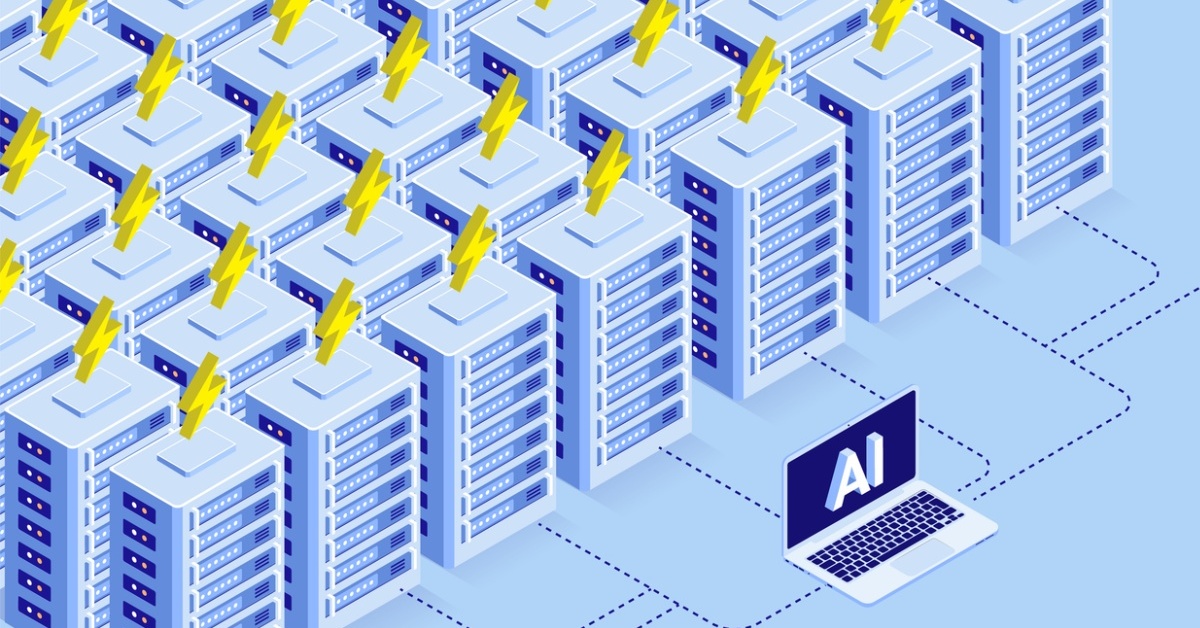
💡Understand why data center power constraints are more than just a generation issue for your AI infrastructure plans.
⚡ 30-Second TL;DR
What Changed
Data center construction is being delayed by power supply constraints.
Why It Matters
AI practitioners must account for infrastructure-related deployment delays when planning large-scale model training or inference clusters. Relying solely on power availability metrics may lead to inaccurate project timelines.
What To Do Next
Evaluate the regional power grid stability and infrastructure readiness before finalizing locations for new high-compute data center deployments.
Key Points
- •Data center construction is being delayed by power supply constraints.
- •Total power generation capacity is not the primary bottleneck for AI expansion.
- •Infrastructure challenges in power distribution and grid management are the real hurdles.
🧠 Deep Insight
Background and context from public sources — not the original article. 22 sources cited.
🔑 Enhanced Key Takeaways
- •Global data center electricity consumption is projected to more than double by 2030, reaching approximately 945-1200 TWh, with AI workloads being the primary driver, expected to account for almost half of the net increase in global data center consumption between 2024 and 2030.
- •In Japan, data centers are anticipated to drive 60% of the country's total electricity demand growth over the next decade, with peak demand from these facilities projected to reach 6.6-7.7 GW by 2034, a threefold increase from 2024 levels.
- •Grid connection wait times for new data centers in the Tokyo metropolitan area have extended to 5-10 years due to severe capacity constraints, land scarcity, and the lengthy regulatory approval and construction processes required for new transmission infrastructure.
- •Gartner predicts that 40% of existing AI data centers will face operational constraints due to power availability by 2027, as the rapid growth of generative AI creates an insatiable demand for power that utility providers cannot expand fast enough to meet.
- •The inherent fragmentation of Japan's electricity grid, with eastern and western regions operating at different frequencies (50 Hz and 60 Hz), further exacerbates power transmission challenges and limits the amount of electricity that can be efficiently moved between regions, intensifying local grid stress.
🛠️ Technical Deep Dive
- AI workloads demand significantly higher power density, with modern GPUs consuming 700-1,200 watts per chip compared to traditional CPUs at 150-200 watts, leading to AI data centers requiring 50-150 kilowatts per rack versus 10-15 kilowatts for conventional racks.
- Cooling systems are a major energy consumer in AI data centers, and traditional air-based systems are struggling with the heat generated by high-density AI workloads, prompting the adoption of advanced solutions like liquid cooling and free cooling to reduce energy consumption.
- Artificial intelligence itself is being leveraged to enhance energy efficiency in data centers through predictive energy management, automated cooling control, dynamic workload distribution, and optimizing the integration of renewable energy sources.
- To mitigate grid constraints and ensure stable power, data center operators are exploring alternative energy strategies including on-site generation, energy storage solutions like battery energy storage systems and supercapacitors for peak shaving, and hybrid energy models.
- Grid-enhancing technologies (GETs), such as dynamic line ratings and advanced power flow controls, are being deployed to increase the capacity and efficiency of existing transmission infrastructure, offering faster deployment times compared to traditional grid upgrades.
- Japan's grid modernization initiatives include the installation of over 100 million smart meters nationwide, designed to enable real-time tracking of electricity consumption and facilitate improved grid management and renewable energy integration.
🔮 Future ImplicationsAI analysis grounded in cited sources
⏳ Timeline
📎 Sources (22)
Factual claims are grounded in the sources below. Forward-looking analysis is AI-generated interpretation.
Weekly AI Recap
Read this week's curated digest of top AI events →
👉Related Updates
AI-curated news aggregator. All content rights belong to original publishers.
Original source: ITmedia AI+ (日本) ↗
This is a summary, not the original. Read the source, or get the weekly briefing.
The weekly digest
One email a week. Unsubscribe anytime.