AI Is Making Us Insecure About Our Minds
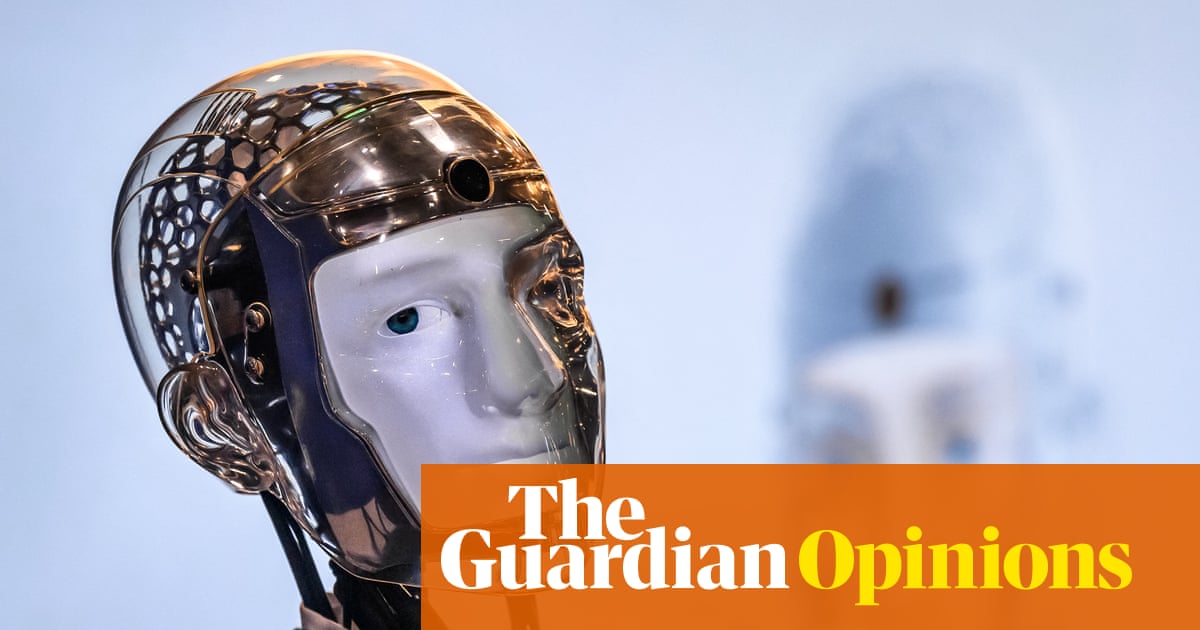
💡A sharp look at how AI-generated ideals could transform body-image anxiety into identity and intelligence anxiety.
⚡ 30-Second TL;DR
What Changed
The article describes a shift from technology imitating humans to humans trying to resemble technology.
Why It Matters
For AI product teams, the piece raises questions about how image-generation and enhancement tools may reshape norms around beauty, authenticity, and cognitive performance. Products that optimize users toward synthetic ideals may need stronger transparency, consent, and wellbeing considerations.
What To Do Next
Add provenance labels, edit-history access, and user-consent checks to any AI image feature that changes a person’s face or body.
Key Points
- •The article describes a shift from technology imitating humans to humans trying to resemble technology.
- •Celebrity images are used to illustrate the feeling of seeing people become approximations of themselves.
- •AI may expand appearance-based insecurity into concerns about mental performance and identity.
🧠 Deep Insight
AI-generated analysis for this event.
🔑 Enhanced Key Takeaways
- •The phenomenon of 'Snapchat dysmorphia' has evolved into 'AI dysmorphia,' where individuals seek cosmetic procedures to match filtered or AI-generated versions of themselves rather than realistic human standards.
- •Psychological studies indicate that prolonged exposure to AI-perfected imagery correlates with increased cognitive load, as the brain struggles to categorize hyper-realistic but synthetic faces, leading to 'uncanny valley' anxiety.
- •The 'dead internet theory' has gained traction in 2026, with researchers noting that the saturation of AI-generated content is forcing human creators to adopt more robotic, algorithm-friendly communication styles to remain visible.
- •Neuro-aesthetic research suggests that the human brain's reward system is being recalibrated by AI-optimized beauty standards, potentially diminishing the perceived value of natural human imperfections.
- •Regulatory bodies in the EU and parts of the US have begun discussing 'digital authenticity' mandates, requiring clear labeling of AI-altered human imagery to mitigate the psychological impact on body image and self-worth.
🔮 Future ImplicationsAI analysis grounded in cited sources
⏳ Timeline
Weekly AI Recap
Read this week's curated digest of top AI events →
👉Related Updates

AI-curated news aggregator. All content rights belong to original publishers.
Original source: The Guardian Technology ↗