Source钛媒体•Stalecollected in 11m
AI Ignites Energy Storage, Upgrade Path Long
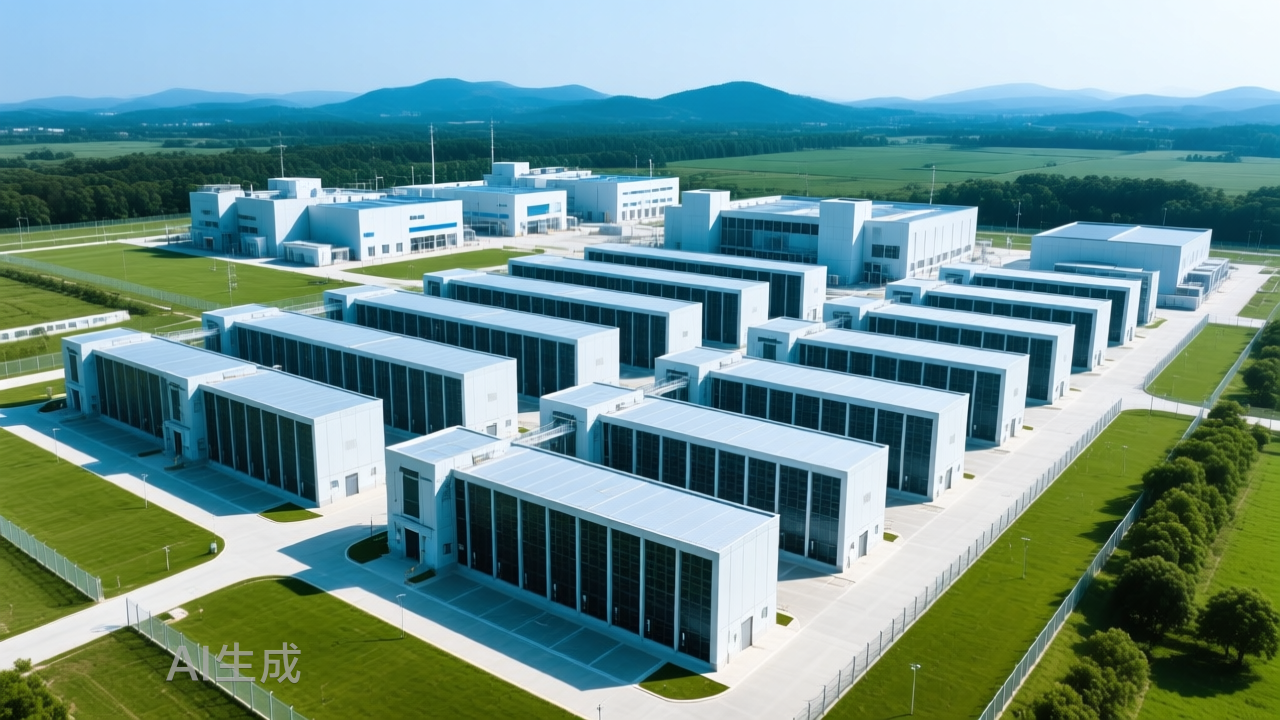
#energy-storage#data-centers#power-gridaidc-energy-storageaidc
💡AI DCs need stable power—uncover storage gaps affecting infra scale
⚡ 30-Second TL;DR
What Changed
AI drives popularity of AIDC energy storage concepts
Why It Matters
Highlights surging power needs for AI data centers, spurring investments but exposing integration gaps that could delay scaling.
What To Do Next
Benchmark energy storage vendors for AIDC compatibility in your data center planning.
Who should care:Enterprise & Security Teams
Key Points
- •AI drives popularity of AIDC energy storage concepts
- •Disconnect between energy metering and equipment integration
- •Challenges in upgrading to premium energy storage solutions
🧠 Deep Insight
AI-generated analysis for this event — not the original article.
🔑 Enhanced Key Takeaways
- •The surge in AI-driven data center (AIDC) power demand is forcing a shift toward liquid cooling-integrated energy storage systems (ESS) to manage high-density thermal loads.
- •Grid-edge synchronization issues are emerging as a primary technical bottleneck, where legacy metering infrastructure fails to communicate effectively with high-frequency AI load-balancing algorithms.
- •Regulatory bodies in major markets are beginning to mandate 'AI-ready' energy storage standards, requiring faster response times (sub-millisecond) that current commercial battery management systems struggle to maintain.
🔮 Future ImplicationsAI analysis grounded in cited sources
Grid-edge metering will undergo a mandatory hardware refresh by 2028.
The current latency in data transmission between energy storage units and grid controllers is incompatible with the rapid load fluctuations inherent in large-scale AI training clusters.
Liquid-cooled battery systems will become the standard for AIDC facilities.
Air-cooled systems are failing to meet the thermal management requirements of the high-density GPU racks required for next-generation AI models.
📰
Weekly AI Recap
Read this week's curated digest of top AI events →
👉Related Updates



AI-curated news aggregator. All content rights belong to original publishers.
Original source: 钛媒体 ↗
This is a summary, not the original. Read the source, or get the weekly briefing.
The weekly digest
One email a week. Unsubscribe anytime.