AI Hardware Turns Data Into Emotion
💡See how satellite links, computer vision, and emotional interfaces are reshaping practical AI hardware.
⚡ 30-Second TL;DR
What Changed
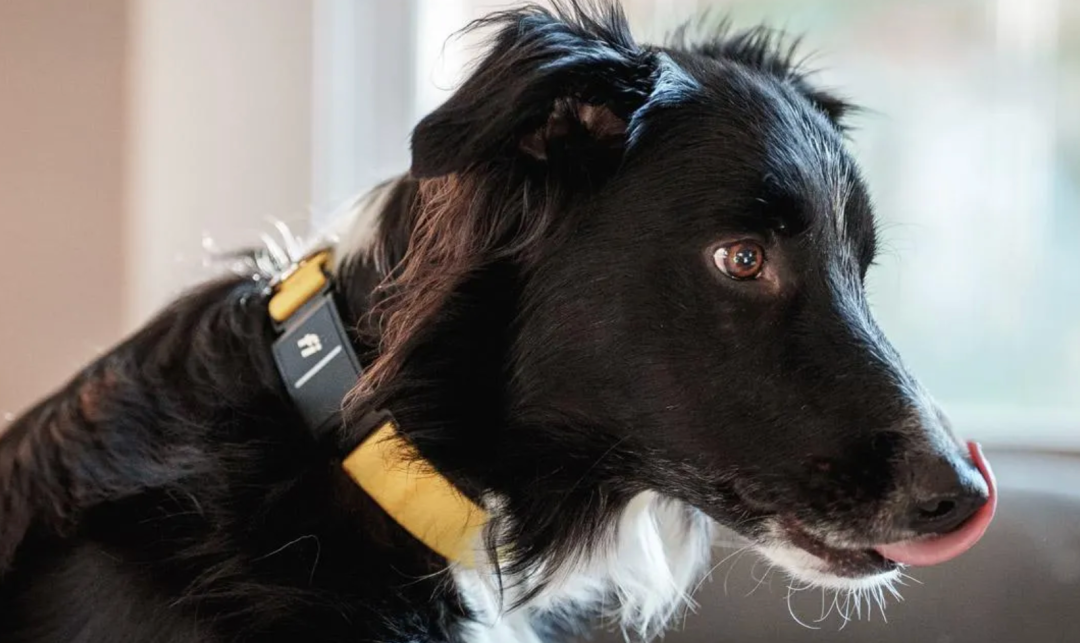
Fi Ultra combines LTE, Wi-Fi, Bluetooth, dual-band GPS, and Starlink satellite connectivity to track dogs beyond cellular coverage.
Why It Matters
The roundup suggests that defensible AI hardware may come less from building a new foundation model and more from embedding multimodal intelligence into familiar objects. For founders, emotional interfaces and narrowly defined use cases may provide stronger differentiation than generic 'smart terminal' features.
What To Do Next
Prototype an AIoT feedback loop with Home Assistant and IFTTT that converts one sensor signal into a visible emotional state before adding more hardware.
Key Points
- •Fi Ultra combines LTE, Wi-Fi, Bluetooth, dual-band GPS, and Starlink satellite connectivity to track dogs beyond cellular coverage.
- •PlantSenso translates soil moisture, light, and plant-health data into the visible state of an electronic pet, while its app uses AI to identify 12,000 plant species and diagnose diseases.
- •Petal uses a 4K/12MP camera, solar-powered flower-like hardware, and AI recognition of more than 2,000 plants and animals to create narrated nature videos.
- •Godox C100 removes the LCD screen and uses a transparent viewfinder, making no-preview photography an example of '反效率' hardware design.
🧠 Deep Insight
AI-generated analysis for this event.
🔑 Enhanced Key Takeaways
- •The integration of Starlink connectivity in consumer pet trackers like Fi Ultra marks a shift toward 'ubiquitous connectivity,' allowing for real-time tracking in remote wilderness areas where traditional cellular networks fail.
- •The 'anti-efficiency' design trend, exemplified by the Godox C100, reflects a growing consumer movement toward 'mindful photography,' prioritizing the experience of the moment over the immediate gratification of digital review.
- •PlantSenso utilizes a proprietary bio-impedance sensor array to measure plant physiological stress, which is then processed by a local edge-AI model to map biological data to anthropomorphic emotional states.
- •Petal's nature-documentary hardware leverages a specialized low-power NPU (Neural Processing Unit) capable of performing on-device object detection and behavioral analysis to trigger recording only during significant wildlife events, extending battery life.
- •These devices represent a broader industry transition from 'General Purpose AI' to 'Context-Aware Physical AI,' where hardware is purpose-built to bridge the gap between raw sensor data and human-relatable emotional feedback.
📊 Competitor Analysis▸ Show
| Product | Category | Key Differentiator | Pricing |
|---|---|---|---|
| Fi Ultra | Pet Tracking | Starlink/Multi-network hybrid | ~$199 + Subscription |
| Tractive GPS | Pet Tracking | Global cellular coverage | ~$49 + Subscription |
| Whistle Switch | Pet Tracking | Health monitoring focus | ~$149 + Subscription |
| PlantSenso | Smart Gardening | Emotional/Pet-like interface | ~$89 (Est.) |
| Parrot Pot | Smart Gardening | Automated irrigation focus | ~$159 |
🛠️ Technical Deep Dive
- Fi Ultra: Employs a custom-designed RF front-end that dynamically switches between LTE-M, NB-IoT, and Starlink satellite backhaul based on signal-to-noise ratio (SNR) thresholds.
- PlantSenso: Uses a capacitive soil moisture sensor combined with a leaf-surface temperature thermistor; the AI model uses a Random Forest classifier to map these inputs to a 12-state emotional matrix.
- Petal: Features a custom solar-harvesting circuit that maintains a 4000mAh battery; the vision pipeline uses a lightweight MobileNetV4 architecture optimized for edge inference on a RISC-V based microcontroller.
- Godox C100: Utilizes a mechanical shutter mechanism paired with a high-speed buffer that bypasses the image signal processor (ISP) preview path to eliminate latency, forcing the user to rely on optical framing.
🔮 Future ImplicationsAI analysis grounded in cited sources
⏳ Timeline
Weekly AI Recap
Read this week's curated digest of top AI events →
👉Related Updates

AI-curated news aggregator. All content rights belong to original publishers.
Original source: 极客公园 ↗