AI-generated 'Source Engine' aesthetic becomes a new viral trend
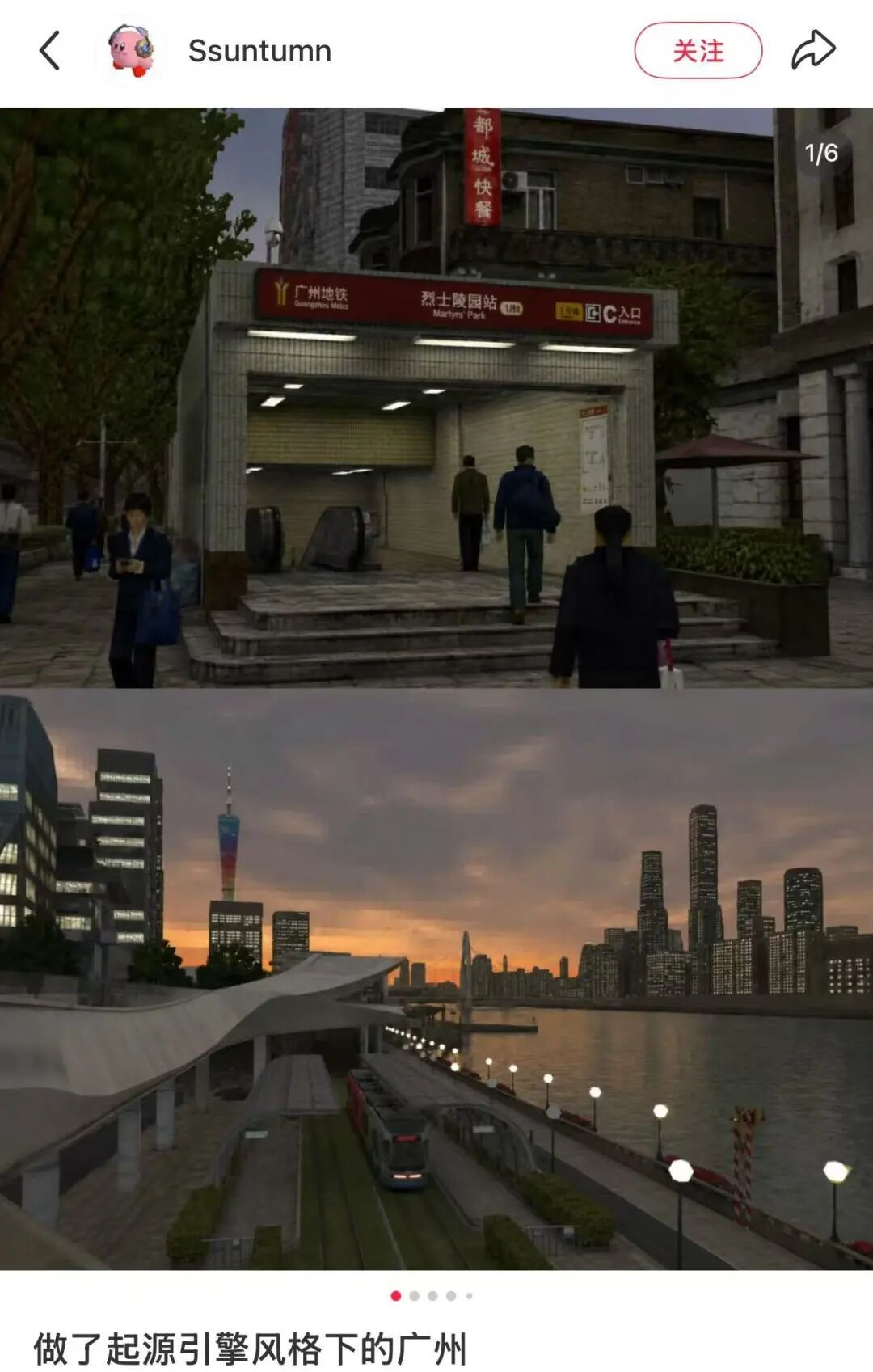
Understand how AI is being used to synthesize specific historical aesthetics for viral content creation.
30-Second TL;DR
What Changed
AI tools are being fine-tuned to replicate the specific low-poly, cold-tone aesthetic of the Source Engine.
Why It Matters
This trend demonstrates how AI can be used to synthesize specific historical visual styles, offering new ways for artists and developers to create stylized, nostalgic content.
What To Do Next
Experiment with LoRA fine-tuning on datasets of early 2000s game assets to create custom aesthetic filters for your generative models.
Key Points
- •AI tools are being fine-tuned to replicate the specific low-poly, cold-tone aesthetic of the Source Engine.
- •The trend highlights a shift in user preference toward 'imperfect' or 'nostalgic' digital aesthetics over hyper-realism.
- •The Source Engine's unique balance between realism and abstraction provides a distinct visual language for AI generation.
- •This phenomenon mirrors previous viral trends like the PS2-style AI filters.
Deep Insight
AI-generated analysis for this event — not the original article.
Enhanced Key Takeaways
- •The trend is heavily driven by LoRA (Low-Rank Adaptation) models on platforms like Civitai, which allow users to inject specific Source Engine lighting and texture characteristics into base Stable Diffusion models.
- •This aesthetic is often referred to in online communities as 'Source Filmmaker (SFM) core' or 'liminal space gaming,' tapping into the uncanny valley effect created by early 2000s lightmapping.
- •The viral nature of this trend is linked to the 'Y2K' and 'Frutiger Aero' design revivals, where Gen Z users are romanticizing the specific technical limitations of 2004-era hardware.
- •Unlike PS2-style filters which focus on low-resolution textures and jagged polygons, the Source Engine trend emphasizes specific 'bloom' effects, high-contrast shadows, and the distinct 'dusty' color grading of games like Half-Life 2.
- •Content creators are increasingly using these AI-generated assets to produce 'mockumentary' style videos that mimic the feel of 2000s-era internet creepypastas.
Technical Deep Dive
- The aesthetic is primarily achieved through fine-tuning Stable Diffusion XL (SDXL) or Flux.1 models using datasets comprised of screenshots from Half-Life 2, Counter-Strike: Source, and Garry's Mod.
- Key technical parameters involve reducing the 'CFG Scale' to allow for more 'dreamy' or 'washed out' lighting, characteristic of the Source Engine's radiosity-based lightmaps.
- Implementation often requires a custom VAE (Variational Autoencoder) that mimics the color compression artifacts found in early 2000s texture formats like VTF (Valve Texture Format).
- Users frequently apply post-processing shaders, such as ReShade presets, to AI-generated images to simulate the specific motion blur and depth-of-field limitations of the Source engine's post-processing stack.
Future ImplicationsAI analysis grounded in cited sources
Timeline
- 2004-11Valve releases Half-Life 2, debuting the Source Engine and its iconic lighting/physics aesthetic.
- 2023-05Early experiments with 'PS2-style' AI filters gain traction on social media, setting the stage for retro-gaming aesthetic trends.
- 2026-02Community-trained LoRAs specifically targeting 'Source Engine' visuals begin appearing on open-source AI model repositories.
- 2026-05The 'Source Engine' aesthetic trend goes viral on short-form video platforms, leading to a surge in user-generated content.
Weekly AI Recap
Read this week's curated digest of top AI events →
AI-curated news aggregator. All content rights belong to original publishers.
Original source: 虎嗅 ↗
This is a summary, not the original. Read the source, or get the weekly briefing.
The weekly digest
One email a week. Unsubscribe anytime.