AI Firms Accused of Destroying Rare Books
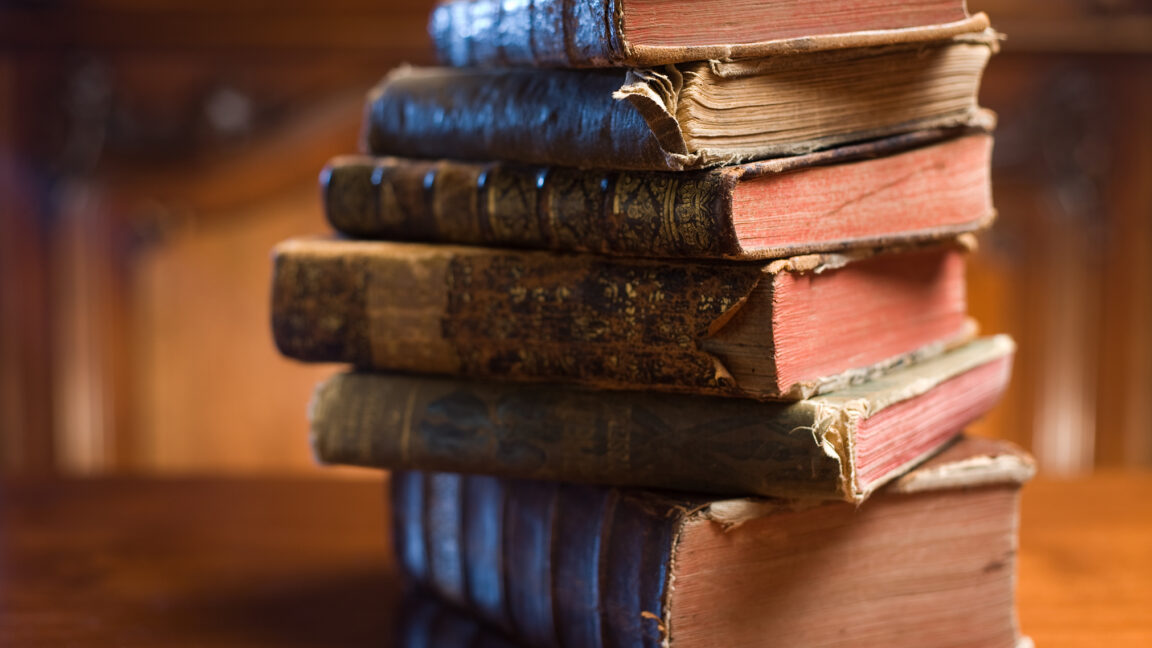
💡Rare-book purchases could expose major gaps in AI training-data provenance and cultural preservation.
⚡ 30-Second TL;DR
What Changed
Booksellers suspect AI firms are bulk-buying rare books through discreet purchasing channels.
Why It Matters
If confirmed, the practice could intensify debates over copyright, data provenance, and the preservation of physical cultural archives. AI companies may face reputational and legal pressure to disclose acquisition methods and demonstrate that training data was obtained lawfully.
What To Do Next
Audit your training corpus for source provenance, copyright status, and documented permission before adding scans or digitized books.
Key Points
- •Booksellers suspect AI firms are bulk-buying rare books through discreet purchasing channels.
- •The books may be acquired for digitization or AI training data collection.
- •Alleged destruction of physical copies could reduce access to scarce cultural materials.
- •The activity is prompting resistance from booksellers concerned about AI companies' data practices.
🧠 Deep Insight
AI-generated analysis for this event.
🔑 Enhanced Key Takeaways
- •The practice is linked to the 'data famine' phenomenon, where AI companies are exhausting high-quality public domain text and turning to physical archives to bypass copyright restrictions on digital content.
- •Rare book dealers report that bulk buyers often use shell companies or third-party procurement agents to mask the true identity of the purchaser, complicating efforts to track the destination of rare volumes.
- •Preservationists argue that the destruction of physical copies—often done to facilitate high-speed, non-destructive, or even destructive scanning—violates the 'provenance' and historical integrity of unique artifacts.
- •Some AI firms are reportedly targeting specific niche genres, such as out-of-print technical manuals and early 20th-century scientific journals, which are highly valued for specialized reasoning tasks in LLMs.
- •Legal experts are debating whether the 'first-sale doctrine' in copyright law allows for the acquisition and subsequent destruction of books for commercial data processing, as this may fall outside traditional fair use interpretations.
🔮 Future ImplicationsAI analysis grounded in cited sources
⏳ Timeline
Weekly AI Recap
Read this week's curated digest of top AI events →
👉Related Updates

AI-curated news aggregator. All content rights belong to original publishers.
Original source: Ars Technica AI ↗