AI Code Spawns Hidden Production Bugs
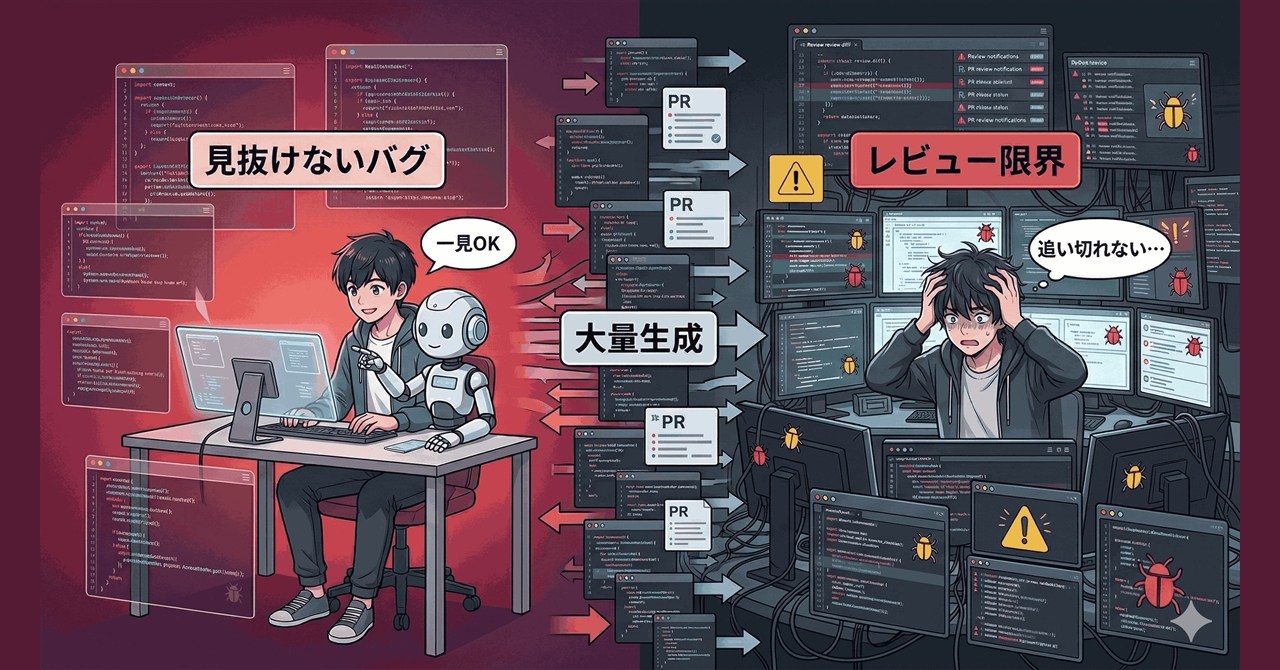
💡AI coding's dark side: dev-passing bugs wreck prod—essential fixes inside
⚡ 30-Second TL;DR
What Changed
AI code creates 'invisible' bugs that work in dev but crash production.
Why It Matters
Forces AI practitioners to adopt rigorous validation beyond unit tests, potentially slowing adoption until better safeguards emerge.
What To Do Next
Implement production-mirroring tests for all AI-generated code before deployment.
Key Points
- •AI code creates 'invisible' bugs that work in dev but crash production.
- •Accelerates coding while adding new detection challenges.
- •Outlines specific causes, practical fixes, and industry updates.
- •Author shares field-tested mitigation strategies.
🧠 Deep Insight
AI-generated analysis for this event — not the original article.
🔑 Enhanced Key Takeaways
- •AI-generated code often suffers from 'hallucinated dependencies,' where models import non-existent libraries or deprecated APIs that pass static analysis but fail during runtime execution in production environments.
- •The phenomenon of 'semantic drift' occurs when AI models suggest code that is syntactically correct but logically incompatible with the specific business logic or state management of the existing codebase, leading to silent failures.
- •Industry research indicates that developers using AI assistants are increasingly skipping manual code reviews, leading to a 'trust bias' where the speed of generation masks the lack of deep architectural understanding in the suggested code.
🛠️ Technical Deep Dive
- •AI models often lack access to the full 'context window' of a large-scale repository, leading to the generation of code that ignores global state or singleton patterns, causing race conditions in production.
- •Integration of 'Retrieval-Augmented Generation' (RAG) for codebases is being deployed to mitigate bugs by grounding model suggestions in the actual project documentation and existing codebase patterns.
- •Static analysis tools are evolving to include 'AI-aware' linting, which specifically flags code patterns statistically associated with high-risk AI-generated snippets, such as improper error handling or lack of input sanitization.
🔮 Future ImplicationsAI analysis grounded in cited sources
⏳ Timeline
Weekly AI Recap
Read this week's curated digest of top AI events →
👉Related Updates
AI-curated news aggregator. All content rights belong to original publishers.
Original source: ITmedia AI+ (日本) ↗
This is a summary, not the original. Read the source, or get the weekly briefing.
The weekly digest
One email a week. Unsubscribe anytime.