AI Boom Erodes Smartphone Dominance
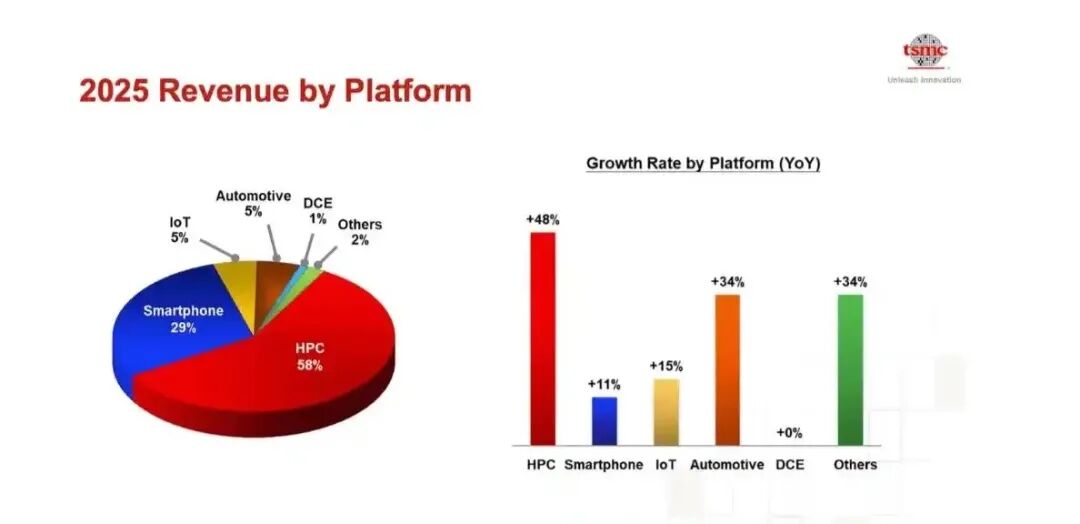
💡AI boom challenges smartphone centrality—rethink mobile AI strategies now.
⚡ 30-Second TL;DR
What Changed
AI growth undermines smartphone leadership
Why It Matters
May push AI practitioners to explore non-smartphone AI interfaces like wearables or agents.
What To Do Next
Assess AI deployment beyond smartphones for emerging device paradigms.
Key Points
- •AI growth undermines smartphone leadership
- •Potential industry hope or crisis
- •Shifting tech device dominance
🧠 Deep Insight
Background and context from public sources — not the original article. 3 sources cited.
🔑 Enhanced Key Takeaways
- •Memory chip manufacturers SK Hynix, Samsung, and Micron—controlling over 90% of global DRAM sales—are rapidly reallocating production capacity from consumer devices to high-bandwidth memory (HBM) for AI data centers, with HBM projected to grow from 8% of global DRAM revenue in 2023 to 50% by 2030[1].
- •Budget smartphone shipments are collapsing 12.9% to 1.12 billion units in 2026, the lowest in over a decade, while average selling prices surge 14% to a record $523, fundamentally reversing the industry's decade-long trend of democratizing flagship features across affordable devices[1][3].
- •Device replacement cycles are extending significantly—PC lifetimes increasing 15% for business users and 20% for consumers by end of 2026—which could increase security vulnerabilities and delay the projected 50% market penetration of AI PCs until 2028[2].
- •Market consolidation is accelerating as smaller Android vendors face elimination while Apple and Samsung, with locked-in supply agreements, are positioned to expand market share during the crisis[1][2].
- •The sub-$500 entry-level PC segment is expected to disappear entirely by 2028 as memory cost pressures force manufacturers to abandon low-margin product categories[2].
🔮 Future ImplicationsAI analysis grounded in cited sources
⏳ Timeline
📎 Sources (3)
Factual claims are grounded in the sources below. Forward-looking analysis is AI-generated interpretation.
Weekly AI Recap
Read this week's curated digest of top AI events →
👉Related Updates
AI-curated news aggregator. All content rights belong to original publishers.
Original source: 钛媒体 ↗
This is a summary, not the original. Read the source, or get the weekly briefing.
Weekly AI briefing
One email a week. Unsubscribe anytime.