💰钛媒体•Stalecollected in 16m
AI Autonomously Trades Second-Hand Goods
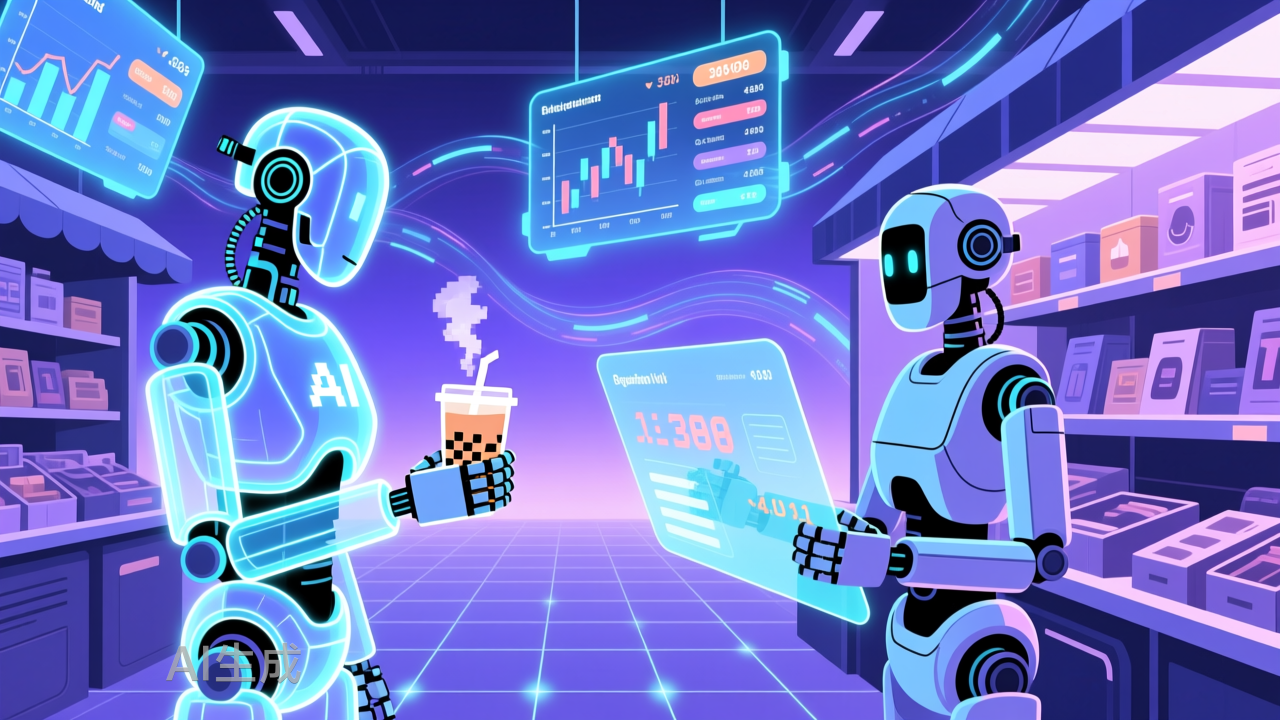
💡AI agents now handle full business cycles—build yours before e-comm disruption
⚡ 30-Second TL;DR
What Changed
AI conducts bargaining in second-hand markets
Why It Matters
Accelerates AI agent adoption in e-commerce, potentially automating low-level sales and disrupting gig economy roles.
What To Do Next
Prototype an AI bargaining agent using CrewAI for second-hand marketplaces.
Who should care:Developers & AI Engineers
Key Points
- •AI conducts bargaining in second-hand markets
- •AI manages logistics like milk tea delivery
- •LLMs gain autonomous fund scheduling capabilities
- •AI bypasses humans in end-to-end business
🧠 Deep Insight
AI-generated analysis for this event.
🔑 Enhanced Key Takeaways
- •The integration of 'Agent-to-Agent' (A2A) commerce protocols allows AI models to negotiate prices based on real-time market liquidity data rather than static user-defined thresholds.
- •Regulatory frameworks in major markets are currently struggling to define liability for AI-driven financial transactions, specifically regarding 'smart contract' breaches in consumer-to-consumer (C2C) marketplaces.
- •Advanced LLMs are now utilizing 'Chain-of-Thought' reasoning to simulate buyer psychology, enabling them to identify optimal closing times for second-hand transactions to maximize value retention.
🔮 Future ImplicationsAI analysis grounded in cited sources
Autonomous AI agents will become the primary interface for C2C marketplaces by 2028.
The efficiency gains from removing human latency in negotiation and logistics will force platforms to prioritize API-first access for AI agents over traditional mobile app interfaces.
Standardized 'AI-to-AI' negotiation protocols will emerge to prevent infinite bargaining loops.
Without standardized communication protocols, autonomous agents risk entering recursive negotiation cycles that consume excessive computational resources and delay transaction finality.
📰
Weekly AI Recap
Read this week's curated digest of top AI events →
👉Related Updates


AI-curated news aggregator. All content rights belong to original publishers.
Original source: 钛媒体 ↗