💰钛媒体•Stalecollected in 16m
ActRⅡ 2.0: The New Frontier in Biotech
💡Stay updated on the latest biotech breakthroughs that could leverage AI for drug discovery.
⚡ 30-Second TL;DR
What Changed
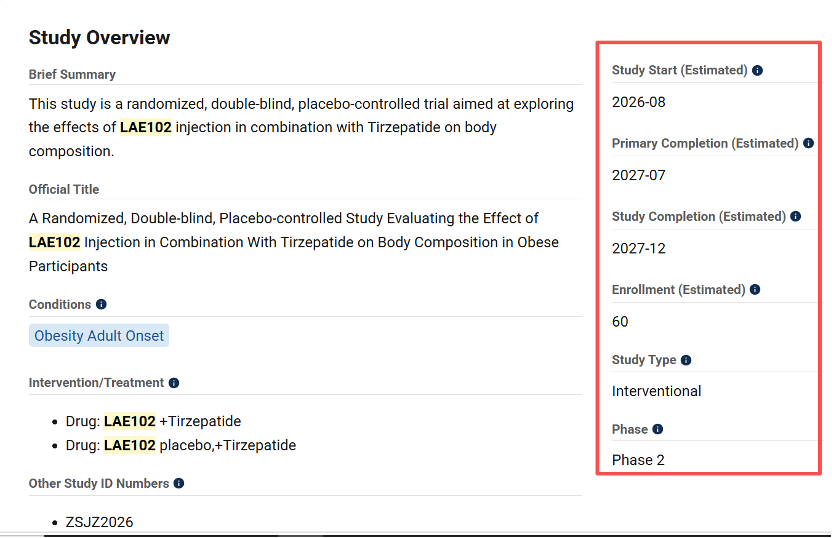
ActRⅡ pathway enters 2.0 iteration phase
Why It Matters
This development suggests potential for AI-driven drug discovery in metabolic pathways.
What To Do Next
If working in biotech AI, explore how generative models can simulate ActRⅡ pathway interactions.
Who should care:Researchers & Academics
Key Points
- •ActRⅡ pathway enters 2.0 iteration phase
- •Focus on metabolic health optimization
- •New signal for muscle-building and fat-loss technology
🧠 Deep Insight
AI-generated analysis for this event — not the original article.
🔑 Enhanced Key Takeaways
- •The ActRⅡ (Activin Receptor Type II) pathway modulation primarily targets the myostatin/activin A signaling axis to prevent muscle atrophy and enhance metabolic rate.
- •ActRⅡ 2.0 iterations are shifting from broad-spectrum systemic inhibition to tissue-specific targeting to mitigate off-target effects like gum hypertrophy and telangiectasia observed in earlier clinical trials.
- •Recent advancements involve the use of decoy receptors and monoclonal antibodies that specifically bind to ligands like myostatin and GDF11 without interfering with other TGF-β superfamily members.
- •The 2.0 phase emphasizes the integration of AI-driven protein engineering to optimize the binding affinity and half-life of ActRⅡ-based therapeutics.
- •Regulatory scrutiny has intensified, with current development pipelines prioritizing safety profiles regarding bone density and cardiovascular impact alongside muscle hypertrophy.
📊 Competitor Analysis▸ Show
| Feature | ActRⅡ 2.0 (General Class) | Traditional Myostatin Inhibitors | Small Molecule Metabolic Agonists |
|---|---|---|---|
| Mechanism | Ligand Trap/Decoy Receptor | Monoclonal Antibody | Receptor Modulation |
| Primary Focus | Muscle/Fat Dual-Action | Muscle Mass Only | Metabolic Rate/Lipolysis |
| Safety Profile | Improved (Tissue-Specific) | Moderate (Off-target risks) | Variable (Systemic) |
🛠️ Technical Deep Dive
- Mechanism of Action: Utilizes soluble ActRⅡB fusion proteins or engineered antibodies to sequester myostatin, GDF11, and activin A, preventing them from binding to endogenous receptors.
- Structural Optimization: Implementation of Fc-fusion modifications to extend serum half-life and reduce immunogenicity compared to first-generation constructs.
- Signaling Pathway: Inhibition of the Smad2/3 signaling cascade, which is the primary intracellular pathway responsible for muscle protein degradation and adipogenesis inhibition.
- Delivery Systems: Exploration of localized delivery mechanisms to concentrate therapeutic effects in skeletal muscle tissue while minimizing systemic exposure.
🔮 Future ImplicationsAI analysis grounded in cited sources
ActRⅡ 2.0 therapies will achieve FDA approval for sarcopenia by 2028.
The shift toward tissue-specific targeting addresses the primary safety concerns that stalled previous iterations in clinical trials.
Market adoption will expand beyond clinical use into the longevity and wellness sectors.
The dual-action capability of muscle preservation and fat loss aligns with the growing demand for metabolic health interventions in aging populations.
⏳ Timeline
2018-05
Initial clinical trials for first-generation ActRⅡ inhibitors face safety setbacks regarding off-target tissue effects.
2022-11
Emergence of second-generation ligand-trap technology focusing on selective inhibition of myostatin over activin.
2025-03
Publication of preclinical data demonstrating enhanced metabolic outcomes through tissue-specific ActRⅡ modulation.
2026-06
Industry shift toward 'ActRⅡ 2.0' branding to distinguish optimized, safer therapeutic candidates.
📰
Weekly AI Recap
Read this week's curated digest of top AI events →
👉Related Updates



AI-curated news aggregator. All content rights belong to original publishers.
Original source: 钛媒体 ↗
This is a summary, not the original. Read the source, or get the weekly briefing.
Weekly AI briefing
One email a week. Unsubscribe anytime.