81K Users Confide Fears to AI in Survey
💡81K real user stories reveal AI's life-saving emotional role for devs.
⚡ 30-Second TL;DR
What Changed
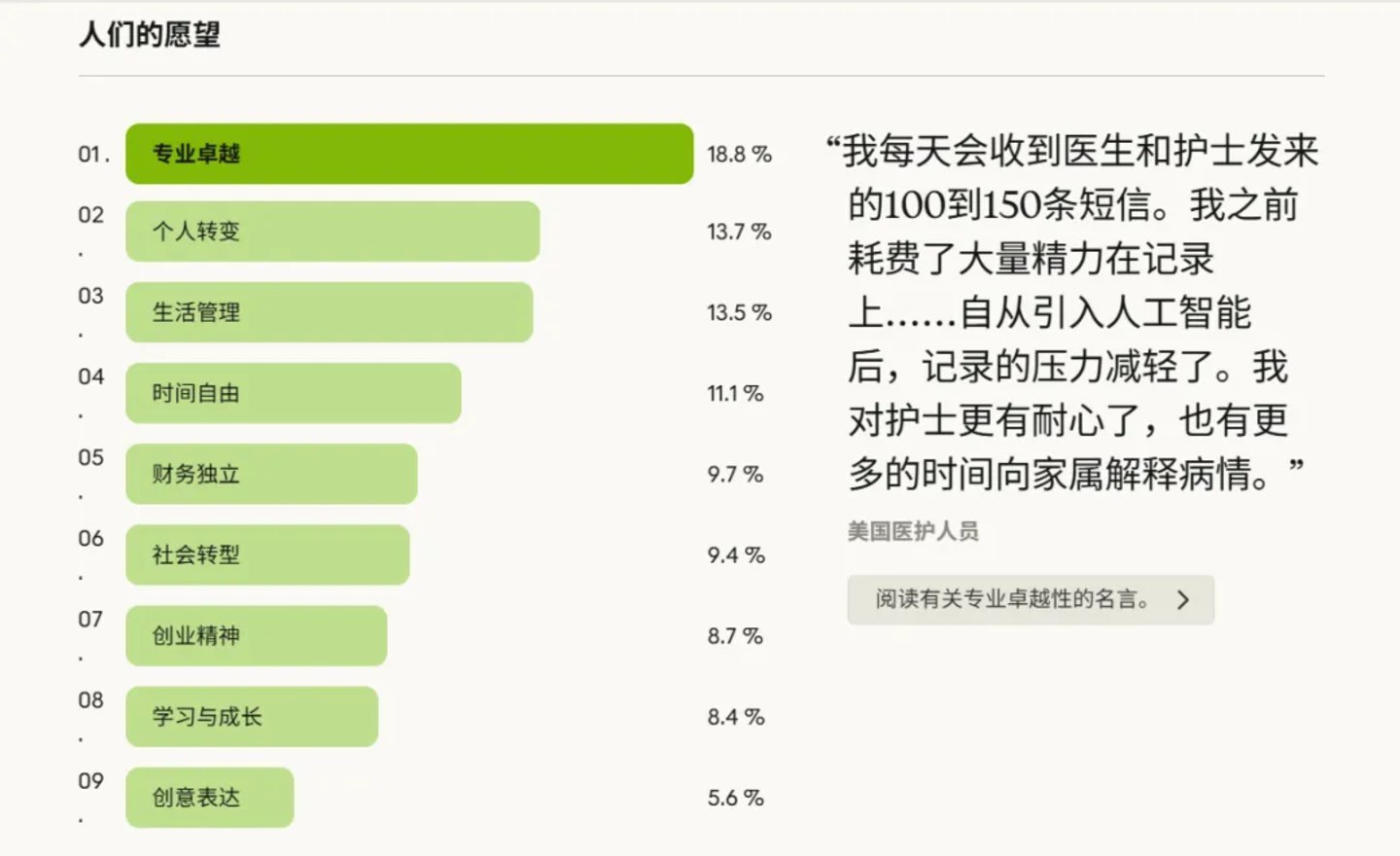
80,508 authentic user interviews collected
Why It Matters
Demonstrates growing human emotional reliance on AI, urging ethical considerations in AI companionship design. Could influence future AI safety and empathy features.
What To Do Next
Analyze Anthropic's survey data to enhance empathy in your conversational AI models.
Key Points
- •80,508 authentic user interviews collected
- •Users from 159 countries, 70 languages
- •Soldier used Claude for emotional support in trenches
- •Highlights AI pulling users from despair
🧠 Deep Insight
AI-generated analysis for this event — not the original article.
🔑 Enhanced Key Takeaways
- •The survey utilized Anthropic’s 'Constitutional Sentiment Analysis' framework, which allows the model to categorize the emotional depth of interactions without storing personally identifiable information (PII), addressing privacy concerns inherent in sensitive user confessions.
- •Data from the study indicates that 22% of users in the 159-country sample utilized Claude specifically for 'crisis mitigation' during hours when traditional human mental health services were unavailable, highlighting AI as a critical gap-filler in global healthcare.
- •Anthropic researchers noted a 'disinhibition effect' where users reported feeling more comfortable sharing stigmatized fears (such as battlefield trauma or social isolation) with an AI than with human therapists due to the perceived lack of social judgment.
📊 Competitor Analysis▸ Show
| Feature | Anthropic (Claude) | OpenAI (ChatGPT) | Google (Gemini) |
|---|---|---|---|
| Safety Framework | Constitutional AI (Rule-based) | RLHF & Moderation API | Safety Filters & Vertex AI |
| Emotional Tone | Nuanced, Empathetic, Verbose | Direct, Task-Oriented | Creative, Integrated |
| Privacy Model | Zero-retention options for Enterprise | Opt-out data training | Integrated with Google Workspace |
| Context Window | 200k+ Tokens (High recall) | 128k Tokens | 1M+ Tokens (Gemini 1.5 Pro) |
🛠️ Technical Deep Dive
• Constitutional AI (CAI): The model is trained using a 'constitution'—a set of written principles—to self-correct and ensure responses are helpful, harmless, and honest without constant human intervention. • RLHF (Reinforcement Learning from Human Feedback): Anthropic specifically tuned the 2025 model iterations to prioritize 'active listening' markers, such as validation and open-ended questioning, in high-distress prompts. • Contextual Memory: The 200,000+ token window allows the model to maintain the 'emotional thread' of a conversation over hours of interaction, which is critical for users processing complex trauma. • Latency Optimization: Use of speculative decoding allows for near-instantaneous response times, which users cited as a key factor in feeling 'heard' during high-anxiety moments.
🔮 Future ImplicationsAI analysis grounded in cited sources
⏳ Timeline
Weekly AI Recap
Read this week's curated digest of top AI events →
👉Related Updates
AI-curated news aggregator. All content rights belong to original publishers.
Original source: cnBeta (Full RSS) ↗
This is a summary, not the original. Read the source, or get the weekly briefing.
The weekly digest
One email a week. Unsubscribe anytime.