75% Margin AI Med Imaging Model IPO Looms
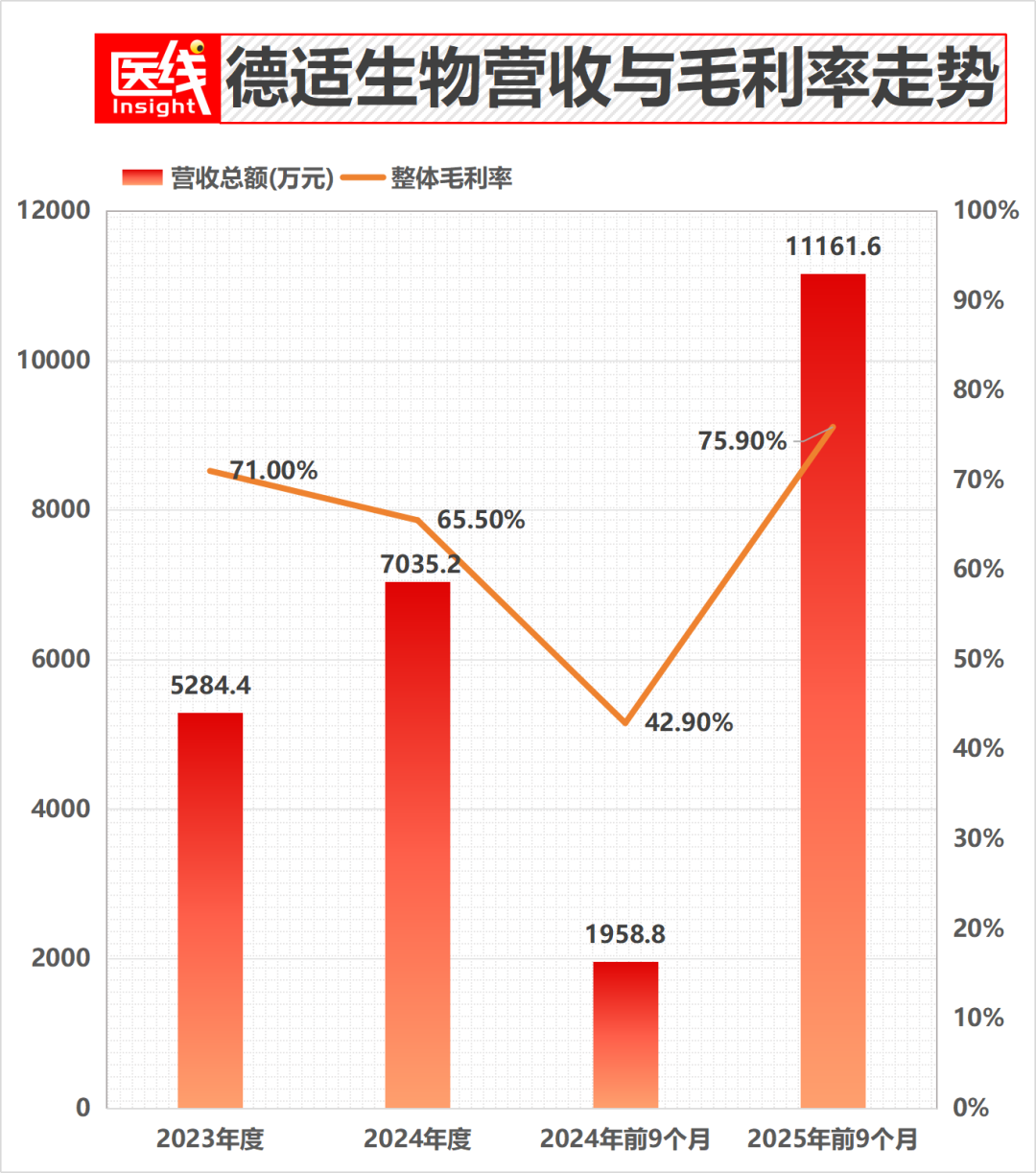
💡75% margin med AI model IPO—profitable specialized LLM breakthrough.
⚡ 30-Second TL;DR
What Changed
Gross margins exceed 75%
Why It Matters
This debut highlights profitable AI applications in medicine, potentially attracting investment to specialized LLMs. It signals growing competition in AI-driven diagnostics.
What To Do Next
Research this med imaging LLM for potential API integrations in healthcare apps.
Key Points
- •Gross margins exceed 75%
- •Challenges multinational giants
- •First 'medical imaging large model' stock
- •Sparks new AI healthcare narrative
🧠 Deep Insight
AI-generated analysis for this event — not the original article.
🔑 Enhanced Key Takeaways
- •The firm has transitioned from single-organ 'Point Solutions' to a 'Multi-modal Foundation Model' architecture, allowing a single AI engine to process CT, MRI, and Ultrasound data across cardiovascular, neurology, and oncology departments simultaneously.
- •High gross margins are sustained by a shift from on-premise hardware bundling to a Cloud-Native SaaS model, significantly reducing deployment costs and maintenance overhead while increasing recurring revenue.
- •The company secured a strategic advantage by obtaining the first NMPA (National Medical Products Administration) Class III certificate for a generative AI diagnostic assistant, a regulatory hurdle that previously blocked competitors from commercializing large-model outputs.
📊 Competitor Analysis▸ Show
| Feature | Shukun Technology (Target) | Deepwise (深睿医疗) | GE HealthCare (Edison) |
|---|---|---|---|
| Core Model | Multi-modal Foundation Model | Deepwise Metasight (VLM) | Edison AI Orchestrator |
| Gross Margin | ~75-82% | ~60-70% | ~40-45% (Hardware-linked) |
| Pricing Model | Subscription / Per-scan | Perpetual License + Service | Integrated Equipment Sales |
| Market Focus | All-body Diagnostic AI | Oncology & Pediatrics | Global Clinical Workflow |
🛠️ Technical Deep Dive
- •Architecture: Utilizes a 3D Transformer-based Vision-Language Model (VLM) capable of cross-modal feature extraction from volumetric medical imaging data.
- •Training Methodology: Employs Self-Supervised Learning (SSL) on a proprietary dataset of over 500 million de-identified longitudinal medical images to achieve zero-shot generalization across different scanner manufacturers (GE, Siemens, Philips).
- •Inference Optimization: Implements a hybrid edge-cloud inference engine that uses TensorRT acceleration to reduce 3D reconstruction and diagnostic latency to under 30 seconds.
- •Human-in-the-loop: Integrates Reinforcement Learning from Human Feedback (RLHF) using a network of over 1,000 certified senior radiologists to refine diagnostic reasoning paths.
🔮 Future ImplicationsAI analysis grounded in cited sources
⏳ Timeline
Weekly AI Recap
Read this week's curated digest of top AI events →
👉Related Updates



AI-curated news aggregator. All content rights belong to original publishers.
Original source: 钛媒体 ↗
This is a summary, not the original. Read the source, or get the weekly briefing.
Weekly AI briefing
One email a week. Unsubscribe anytime.