5% GPU Utilization: $401B AI Crisis
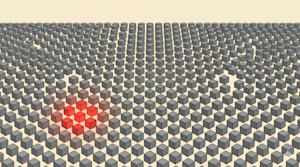
💡$401B AI spend with 5% GPU use—fix your infra waste before CFO cuts
⚡ 30-Second TL;DR
What Changed
Average enterprise GPU utilization stuck at 5% despite massive spending
Why It Matters
This exposes massive waste in AI investments, pressuring CFOs to demand ROI from underused assets. Enterprises must pivot to efficiency tools, potentially reshaping cloud provider dynamics and procurement strategies.
What To Do Next
Audit your GPU cluster utilization with NVIDIA DCGM and optimize scheduling via Kubernetes.
Key Points
- •Average enterprise GPU utilization stuck at 5% despite massive spending
- •Gartner estimates $401B in new AI infra spending this year
- •Q1 tracker: GPU access concerns dropped from 20.8% to 15.4%
- •Tier 1 firms secured capacity but face data and governance bottlenecks
- •GPUs locked in 3-5 year depreciation cycles as fixed costs
🧠 Deep Insight
AI-generated analysis for this event.
🔑 Enhanced Key Takeaways
- •The 'GPU utilization gap' is increasingly attributed to the 'data-to-compute' mismatch, where enterprise data silos and poor data quality prevent models from being fed fast enough to keep high-performance clusters active.
- •Cloud service providers (CSPs) are shifting their business models from pure infrastructure-as-a-service (IaaS) to managed AI platforms, attempting to bundle orchestration software to help enterprises automate workload scheduling and improve utilization rates.
- •Financial analysts are beginning to adjust enterprise valuations based on 'AI ROI efficiency' metrics, penalizing firms that have high CapEx spending on GPUs without corresponding revenue growth or measurable operational cost reductions.
🛠️ Technical Deep Dive
The 5% utilization figure is often a result of several technical bottlenecks:
- I/O Bottlenecks: High-bandwidth memory (HBM) on GPUs remains idle while waiting for data to be fetched from storage systems that lack sufficient throughput for large-scale distributed training.
- Orchestration Overhead: Kubernetes-based scheduling often fails to account for the specific topology of GPU interconnects (like NVLink/NVSwitch), leading to fragmented resource allocation.
- Model Parallelism Inefficiency: Enterprises often use sub-optimal parallelization strategies (e.g., naive data parallelism instead of tensor parallelism), causing significant idle time during synchronization phases in distributed training.
🔮 Future ImplicationsAI analysis grounded in cited sources
⏳ Timeline
Weekly AI Recap
Read this week's curated digest of top AI events →
👉Related Updates
AI-curated news aggregator. All content rights belong to original publishers.
Original source: VentureBeat ↗