315 Exposes AI Poisoning in Consumer Firms
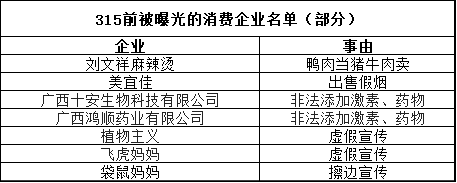
💡315 gala exposes real AI poisoning cases—essential security wake-up for prod AI apps
⚡ 30-Second TL;DR
What Changed
315 gala highlights food safety failures like tainted泡椒凤爪
Why It Matters
Elevates awareness of AI security risks in consumer apps, potentially spurring Chinese regulations on model robustness. AI practitioners must prioritize defenses against poisoning.
What To Do Next
Test your LLMs for poisoning with tools like Garak or PromptInject to secure consumer deployments.
Key Points
- •315 gala highlights food safety failures like tainted泡椒凤爪
- •Reveals AI poisoning vulnerabilities in consumer products
- •Exposes hidden operational flaws in consumer enterprises
- •Signals accountability and judgment for exposed companies
🧠 Deep Insight
Background and context from public sources — not the original article. 5 sources cited.
🔑 Enhanced Key Takeaways
- •Expert Li Fumin from Shandong University’s Intelligent Governance Institute described AI model poisoning as businesses using GEO services to embed promotional content in targeted training, guiding AI to generate biased product recommendations[2].
- •Such poisoning constitutes unfair competition by fabricating facts through technological means, violating consumer rights to information and fair transactions under China's Consumer Rights Protection Law[2].
- •Recommendations include regulators enhancing AI marketing oversight, AI operators improving training data scrutiny and output filtering with traceability, and consumers raising awareness to report issues[2].
- •Fact-checking sources found no credible evidence, official confirmation, or technical forensics verifying the Gala's claims of poisoned large models or a brainwashing AI industry chain[1][3].
🔮 Future ImplicationsAI analysis grounded in cited sources
⏳ Timeline
📎 Sources (5)
Factual claims are grounded in the sources below. Forward-looking analysis is AI-generated interpretation.
Weekly AI Recap
Read this week's curated digest of top AI events →
👉Related Updates



AI-curated news aggregator. All content rights belong to original publishers.
Original source: 钛媒体 ↗
This is a summary, not the original. Read the source, or get the weekly briefing.
Weekly AI briefing
One email a week. Unsubscribe anytime.