2026 Variety Show Sponsorship: AI brands enter the market
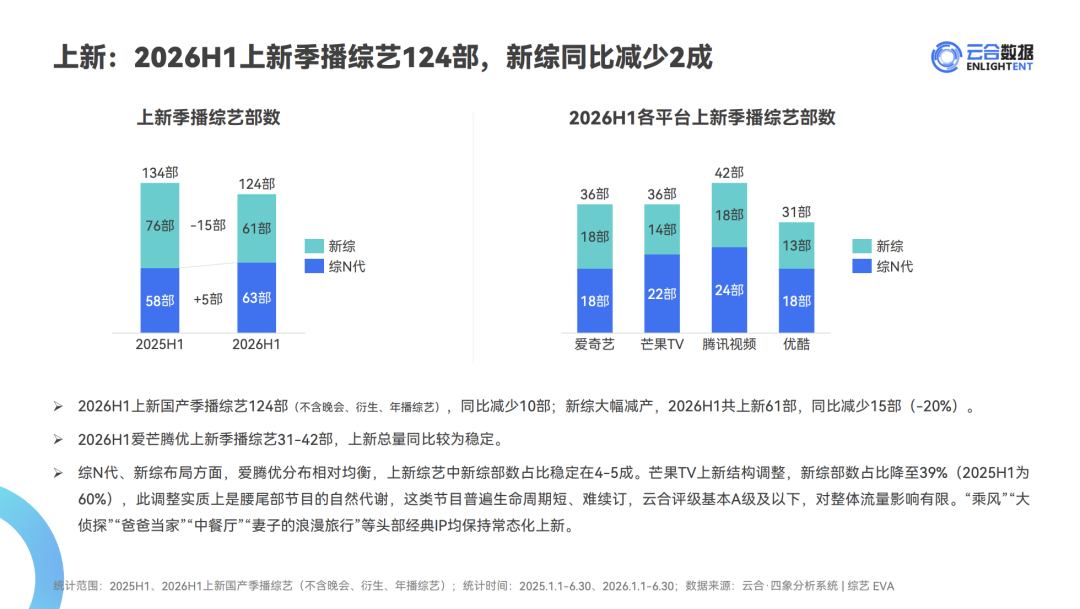
💡See how AI companies are shifting from B2B marketing to mass-market consumer entertainment integration.
⚡ 30-Second TL;DR
What Changed
Traditional variety show sponsors are scaling back due to market uncertainty.
Why It Matters
AI companies are moving beyond tech-only marketing, seeking mass-market adoption through entertainment integration.
What To Do Next
Evaluate the ROI of integrating AI assistants into consumer-facing entertainment content versus traditional digital ad spend.
Key Points
- •Traditional variety show sponsors are scaling back due to market uncertainty.
- •Alibaba-related businesses have become the primary sponsors, aligning with their marketing cycles.
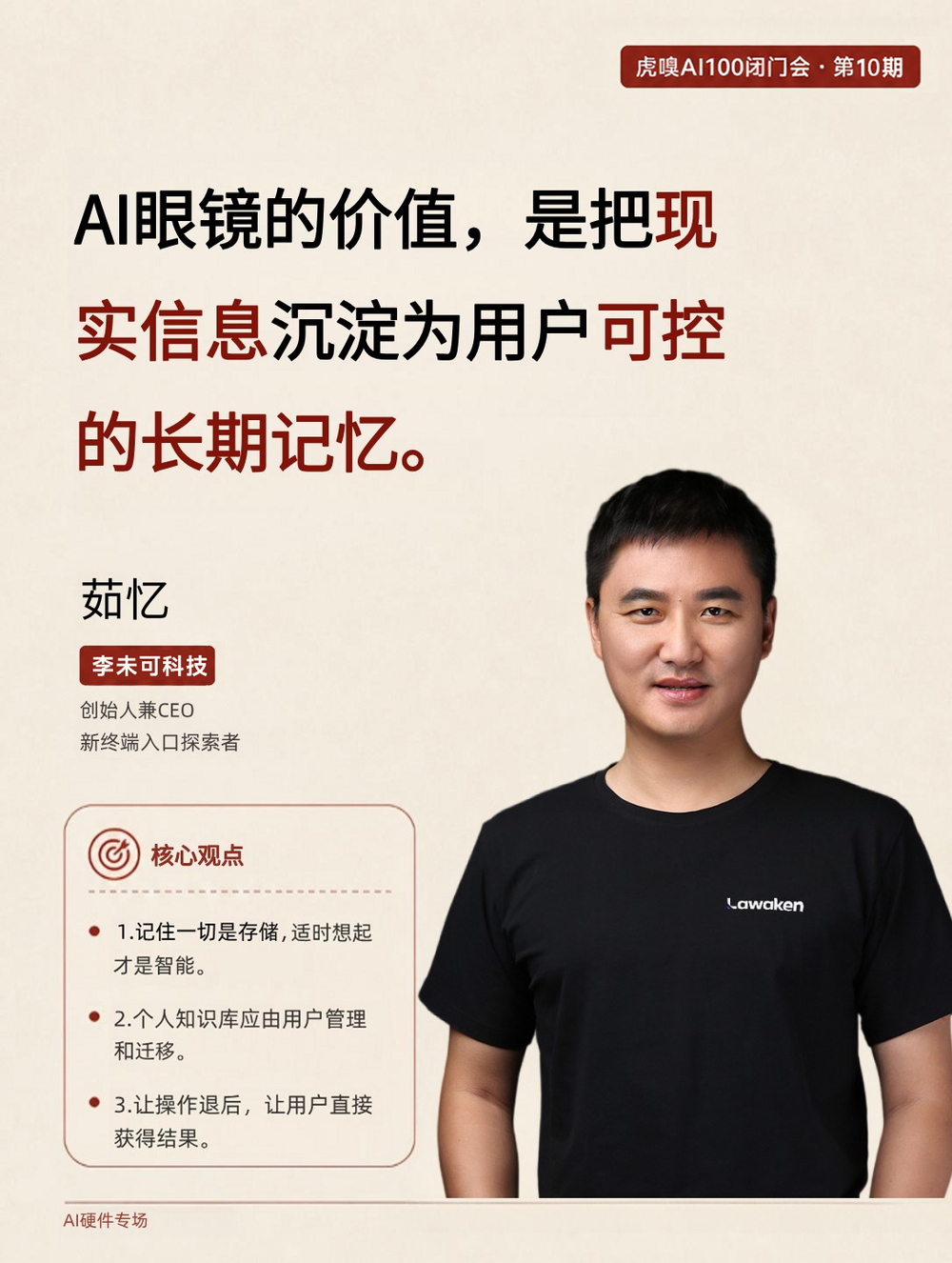
- •AI brands (e.g., Qwen, Songyan Dynamics) are entering the variety show space to test marketing efficacy.
🧠 Deep Insight
AI-generated analysis for this event — not the original article.
🔑 Enhanced Key Takeaways
- •AI brands are increasingly utilizing 'in-show' interactive features, such as real-time AI-generated commentary or personalized character interactions, to demonstrate product capabilities directly to viewers.
- •The shift in sponsorship demographics is driven by a strategic pivot from traditional FMCG (Fast-Moving Consumer Goods) to 'Tech-as-a-Service' models, where AI companies prioritize user acquisition metrics over brand awareness.
- •Regulatory scrutiny regarding AI-generated content in variety shows has increased, requiring sponsors to implement real-time content moderation and transparency labeling for AI-driven segments.
- •Data indicates that AI sponsors are leveraging cross-platform integration, linking variety show viewership data directly with AI model usage patterns to calculate precise ROI.
- •The entry of AI firms has introduced a new 'performance-based' sponsorship model, where payments are partially tied to the number of user interactions with the AI tool during the broadcast.
🛠️ Technical Deep Dive
- Integration of Large Language Models (LLMs) into broadcast workflows via low-latency API bridges.
- Implementation of real-time multimodal processing pipelines to synchronize AI-generated visual/audio assets with live variety show footage.
- Use of edge computing nodes to reduce latency for interactive AI features during high-traffic broadcast events.
- Deployment of proprietary watermarking and metadata tagging for AI-generated content to comply with 2026 digital media regulations.
🔮 Future ImplicationsAI analysis grounded in cited sources
⏳ Timeline
Weekly AI Recap
Read this week's curated digest of top AI events →
👉Related Updates

AI-curated news aggregator. All content rights belong to original publishers.
Original source: 虎嗅 ↗
This is a summary, not the original. Read the source, or get the weekly briefing.
The weekly digest
One email a week. Unsubscribe anytime.