來源Cloudflare Blog•較早收集於 9h
毒性組合引發安全事件
#toxic-combination#misconfigurations#request-anomalies#signal-correlationcloudflarecloudflare
💡從微小訊號捕捉隱藏入侵—AI 網頁應用安全關鍵(28字元)
⚡ 30 秒速覽
有什麼變化
輕微錯誤配置孤立時看似無害
為什麼重要
強調雲端安全需相關聯訊號監控。有助防止細微問題惡化成入侵。對維持穩固網頁應用防禦至關重要。
下一步行動
今天檢視 Cloudflare 儀表板記錄,檢查相關輕微異常。
誰應關注:Enterprise & Security Teams
關鍵要點
- •輕微錯誤配置孤立時看似無害
- •單獨請求異常不會引起警報
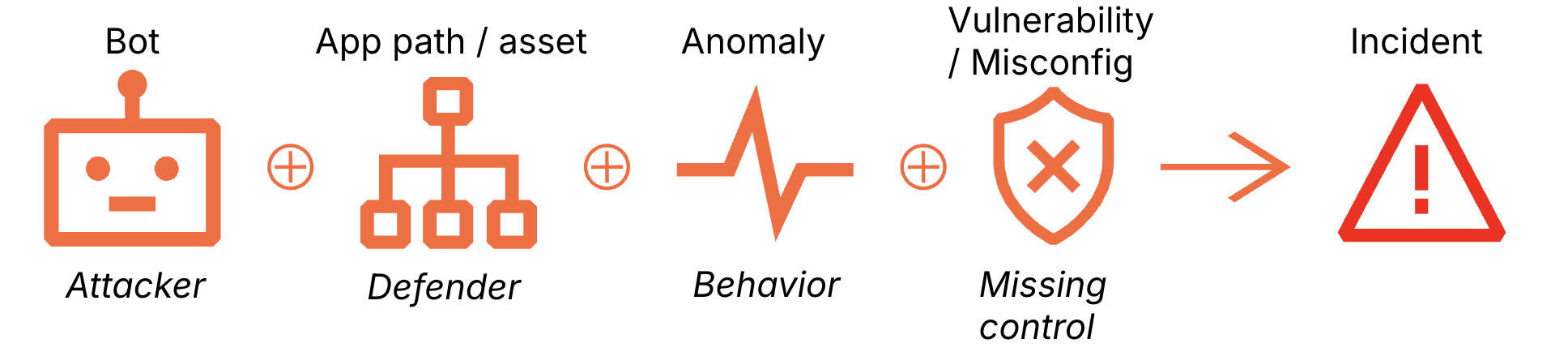
- •匯聚訊號形成「毒性組合」風險
- •辨識跡象以防安全事件
🧠 深度解析
背景與延伸:來自公開資料,非原文內容。引用 8 個來源。
🔑 增強重點摘要
- •Toxic combinations represent a paradigm shift in threat detection: rather than evaluating individual requests in isolation, security systems must analyze the confluence of multiple signals across behavioral patterns, bot activity, and application-layer vulnerabilities to identify brewing incidents[1].
- •Real-world toxic combination attacks have targeted high-value assets through chained exploitation: the Midnight Blizzard attack leveraged compromised OAuth tokens from a prior Okta breach combined with legacy accounts lacking MFA to escalate privileges and exfiltrate senior staff emails[3][4].
- •Multi-cloud environments create blind spots that amplify toxic combination risks: siloed accounts and data sprawl across cloud providers make it difficult to discover converging misconfigurations, overly permissive identities, and leaked secrets that collectively enable compromise[6].
- •Toxic combinations in cloud security extend beyond traditional web application attacks to include AI-driven behaviors: enterprises now face converging risks from permissions, settings, and AI agent actions that collectively create breach pathways[7].
- •Detection requires behavioral context analysis rather than point defenses: Web Application Firewalls, bot detection, and API protection tools that focus on individual request risk miss the broader intent signals that emerge when multiple minor anomalies converge[1].
🛠️ 技術深入
- •Toxic combination detection ingredients identified by Cloudflare include: Bot Score < 30 (high probability of automated traffic with exploit script signatures), HTTP 200 on sensitive paths (successful responses from login endpoints that should trigger WAF blocks), Repeated Mutations (high-frequency payload variations indicating attacker tuning), and Suspicious Query Patterns (SLEEP commands and time-based database probing)[1].
- •Mitigation strategies for toxic combinations include: deploying geo-blocking to restrict administrative access to specific countries, enforcing multi-factor authentication on every administrative entry point, and monitoring for repeated mutations and anomalous query patterns that indicate payload tuning[1].
- •Attack chain analysis from the Cloudflare-Atlassian incident reveals a six-step privilege escalation: (1) password spray on legacy accounts without MFA, (2) hijacking legacy OAuth apps with high-level permissions, (3) creating malicious OAuth apps, (4) granting admin Exchange permissions, (5) escalating privileges to a new controlled user, (6) granting full M365 Exchange Online access[3][4].
- •Risk scoring in multi-cloud environments dynamically incorporates: number of attack paths associated with alerts, asset context (running vs. marked for deletion), exposure information (public accessibility), sensitive data at risk, and standard CVSS/EPSS scores[6].
🔮 前景展望基於引用來源的 AI 分析
Toxic combination detection will become a mandatory security control requirement for cloud-native environments and SaaS platforms.
The convergence of multiple minor signals into critical breaches (as demonstrated in Midnight Blizzard and Cloudflare-Atlassian incidents) indicates that traditional point defenses are insufficient, driving regulatory and architectural shifts toward behavioral correlation analysis.
AI-driven threat detection systems will increasingly focus on signal confluence analysis rather than individual anomaly scoring.
Current security tools evaluate request risk in isolation, but toxic combinations require machine learning models trained to recognize patterns across multiple signal types simultaneously, representing a fundamental shift in detection architecture.
Legacy systems and test environments will become primary attack vectors due to their typical lack of MFA and monitoring.
Multiple documented incidents (Midnight Blizzard, Cloudflare-Atlassian) exploited legacy accounts and test OAuth apps, indicating attackers specifically target these overlooked assets as entry points for privilege escalation chains.
⏳ 時間線
2023-10
Okta breach occurs, compromising credentials that would later enable the Cloudflare-Atlassian attack
2023-11-15
Cloudflare-Atlassian breach begins using compromised Okta credentials; attackers access internal wiki and bug database
2023-11-23
Cloudflare detects threat actor after Smartsheet service account connected to admin group in Atlassian
2024-02
Cloudflare publishes analysis of toxic combinations concept and real-world attack patterns
2025
Industry adoption of toxic combination detection frameworks accelerates across SOC and cloud security platforms
📎 來源 (8)
Factual claims are grounded in the sources below. Forward-looking analysis is AI-generated interpretation.
- blog.cloudflare.com — Toxic Combinations Security
- scouts.yutori.com — Bb4f3fe7 B4d2 4043 9a34 4319f19190fa
- appomni.com — Midnight Blizzard and Cloudflare Atlassian Cybersecurity Incidents
- thehackernews.com — Midnight Blizzard and Cloudflare
- tldrsec.com — Tldr Sec 204
- orca.security — Multi Cloud Security Federal Agencies
- cyberdefensemagazine.com — AI Agents Are Quietly Building the Next Global Breach Network Are You Ready
- approov.io — The Security Risks of Mobile Apps and Apis in the Smart Home
📰
AI 週報
閱讀本週精選 AI 大事摘要 →
👉相關動態

AI 策展新聞聚合。所有內容版權歸原始發布者所有。
原始來源: Cloudflare Blog ↗
每週電子報
每週一封,可隨時退訂。