來源钛媒体•較早收集於 30m
AI硬體產品的「潮玩化」趨勢分析
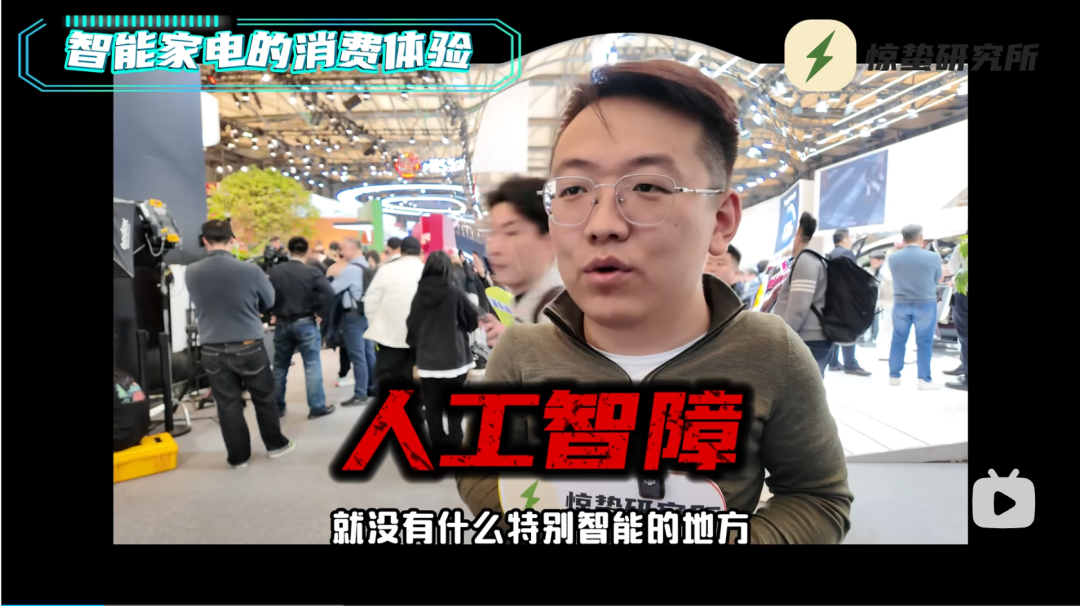
了解「潮玩化」AI產品的市場風險與機會,以及情緒化設計在產品中的角色。
30 秒速覽
有什麼變化
AI整合正導致智能產品出現「潮玩化」現象
為什麼重要
對於AI開發者而言,這凸顯了功能實用性與消費者娛樂價值之間的市場張力。這暗示成功的產品必須在AI能力與情緒共鳴之間取得平衡。
下一步行動
設計AI消費性產品時,應優先解決特定的用戶痛點,而非僅僅將「AI」作為行銷術語。
誰應關注:Marketers & Content Teams
關鍵要點
- •AI整合正導致智能產品出現「潮玩化」現象
- •區分增值功能與「智能垃圾」的界線
- •情緒溢價正成為AI裝置的核心賣點
深度解析
背景與延伸:來自公開資料,非原文內容。引用 34 個來源。
增強重點摘要
- •The 'toy-ification' trend is significantly driven by the burgeoning market for AI companion devices, projected to reach up to $972.16 billion by 2035, fueled by increasing demand for personalized digital interaction, emotional support, and addressing issues like loneliness and mental health.
- •Generative AI models, particularly large language models (LLMs), serve as a core technological engine enabling this 'toy-ification,' allowing products to evolve from simple preset commands to natural conversational interactions with contextual understanding and multi-turn dialogue capabilities.
- •The integration of AI into consumer electronics increasingly leverages 'Edge AI,' which processes data directly on devices like smartphones, wearables, and home assistants without constant cloud access, enabling faster decisions, improved privacy, reduced bandwidth, and real-time functionality, despite challenges related to hardware limitations and security.
- •The concept of 'smart waste' is underscored by recent product failures such as the Humane AI Pin and Rabbit R1, which, despite significant hype, delivered limited functionality, poor battery life, and quickly became unusable, contributing to electronic waste and highlighting the risks of releasing AI gadgets that promise future capabilities rather than current utility.
- •The design philosophy for these AI gadgets is shifting towards creating emotional connections through personalization and empathy, often leveraging AI to understand user moods, adapt personalities, and provide companionship, which also raises ethical considerations regarding potential emotional reliance and the flattening of human vulnerability.
技術深入
- Edge AI Processing: AI algorithms are executed directly on consumer devices using specialized hardware like microprocessors, neural processing units (NPUs), digital signal processors (DSPs), and AI-enhanced microcontrollers, reducing latency and reliance on cloud connectivity.
- AI Model Optimization: Techniques such as sparsity, model pruning, and quantization are employed to reduce the size and computational complexity of AI models, making them suitable for devices with limited memory and processing power.
- Generative AI Integration: Large Language Models (LLMs) and other generative AI models are integrated into devices, often via APIs, to facilitate natural language understanding, multi-turn dialogues, and dynamic content generation.
- Multi-modal Sensing for Emotional Intelligence: Devices incorporate various sensors, including cameras for facial recognition, microphones for voice tone detection, motion sensors for body language interpretation, and biometric sensors (e.g., pulse rate, temperature, skin changes) or even electroencephalography (EEG) sensors, to detect and interpret human emotional cues.
- Connectivity: Wi-Fi is a prevalent technology for enabling cloud-connected experiences, real-time content updates, and adaptive learning functionalities in smart toys and companion devices.
前景展望基於引用來源的 AI 分析
The market for AI companion devices will continue its rapid expansion, driven by demographic shifts and increasing demand for emotional support.
Projections indicate significant growth in the AI companion market, fueled by factors such as aging populations, rising loneliness, and mental health concerns, positioning AI gadgets as accessible emotional support systems.
Regulatory bodies will introduce stricter guidelines for AI consumer products, particularly concerning data privacy and the psychological impact of emotional AI.
The embedding of generative AI in products for children and the potential for emotional reliance on AI companions raise new safety and privacy concerns, prompting calls for regulations to catch up with technological advancements.
The distinction between 'value-add' and 'smart waste' will become clearer as consumers demand more robust, reliable, and genuinely useful AI functionalities beyond novelty.
Recent high-profile failures of AI gadgets due to poor functionality and rapid obsolescence highlight a growing consumer and industry awareness of the need for products that deliver on their promises and offer sustained utility.
時間線
1990s
AI begins to enter mass-market consumer products.
2000
Cynthia Breazeal develops Kismet, a robot capable of recognizing and simulating emotions.
Early 2010s
Conversational AI gains traction with the launch of Siri (2010/2011) and Amazon Echo (2014), integrating AI into daily life.
2022-2023
Breakthroughs in foundation models and generative AI (e.g., ChatGPT) significantly influence AI integration in consumer products.
2024-2025
The launch of products like the Humane AI Pin and Rabbit R1 sparks discussions on AI gadget utility and 'smart waste,' while the global AI companion market is valued at USD 37.12 billion with strong growth projections.
2026
AI toys embedding generative models debut at CES, raising new concerns about child safety and privacy.
- 1990sAI begins to enter mass-market consumer products.
- 2000Cynthia Breazeal develops Kismet, a robot capable of recognizing and simulating emotions.
- Early 2010sConversational AI gains traction with the launch of Siri (2010/2011) and Amazon Echo (2014), integrating AI into daily life.
- 2022-2023Breakthroughs in foundation models and generative AI (e.g., ChatGPT) significantly influence AI integration in consumer products.
- 2024-2025The launch of products like the Humane AI Pin and Rabbit R1 sparks discussions on AI gadget utility and 'smart waste,' while the global AI companion market is valued at USD 37.12 billion with strong growth projections.
- 2026AI toys embedding generative models debut at CES, raising new concerns about child safety and privacy.
來源 (34)
Factual claims are grounded in the sources below. Forward-looking analysis is AI-generated interpretation.
1market.usvertexaisearch.cloud.google.com2fortunebusinessinsights.comvertexaisearch.cloud.google.com3precedenceresearch.comvertexaisearch.cloud.google.com4businessresearchinsights.comvertexaisearch.cloud.google.com5researchandmarkets.comvertexaisearch.cloud.google.com6medium.comvertexaisearch.cloud.google.com7cybernews.comvertexaisearch.cloud.google.com8semicone.comvertexaisearch.cloud.google.com9kidsoundbook.comvertexaisearch.cloud.google.com10techdogs.comvertexaisearch.cloud.google.com11synopsys.comvertexaisearch.cloud.google.com12splunk.comvertexaisearch.cloud.google.com13st.comvertexaisearch.cloud.google.com14404media.covertexaisearch.cloud.google.com15thecooldown.comvertexaisearch.cloud.google.com16futurism.comvertexaisearch.cloud.google.com17androidpolice.comvertexaisearch.cloud.google.com18engadget.comvertexaisearch.cloud.google.com19museumoffailure.comvertexaisearch.cloud.google.com20youtube.comvertexaisearch.cloud.google.com21gizmodo.comvertexaisearch.cloud.google.com22youtube.comvertexaisearch.cloud.google.com23richardvanhooijdonk.comvertexaisearch.cloud.google.com24thegadgetflow.comvertexaisearch.cloud.google.com25wallpaper.comvertexaisearch.cloud.google.com26forbes.comvertexaisearch.cloud.google.com27medium.comvertexaisearch.cloud.google.com28substack.comvertexaisearch.cloud.google.com29princeton.eduvertexaisearch.cloud.google.com30moschip.comvertexaisearch.cloud.google.com31accio.comvertexaisearch.cloud.google.com32vam.ac.ukvertexaisearch.cloud.google.com33telefonica.comvertexaisearch.cloud.google.com34youtube.comvertexaisearch.cloud.google.com
AI 週報
閱讀本週精選 AI 大事摘要 →
AI 策展新聞聚合。所有內容版權歸原始發布者所有。
原始來源: 钛媒体 ↗
每週電子報
每週一封,可隨時退訂。