來源虎嗅•較早收集於 24m
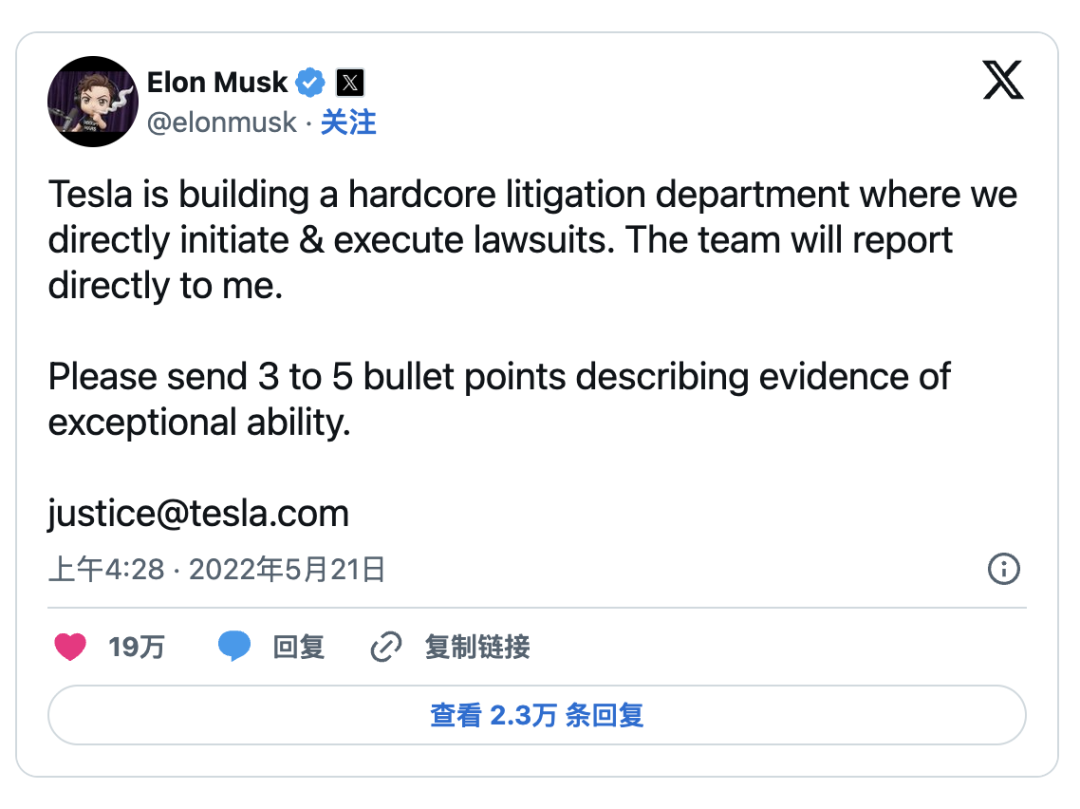
特斯拉面臨145億美元Autopilot訴訟
💡特斯拉145億AV訴訟警示AI安全訴訟風險(16字元)
⚡ 30 秒速覽
有什麼變化
Benavides案判特斯拉負33%責,2.43億美元,2019年Autopilot致命車禍。
為什麼重要
提升自動駕駛AI部署責任風險,或迫特斯拉召回及保守行銷。預示自動駕駛產業安全審查加嚴。
下一步行動
使用NHTSA報告失效模式,審核自家AV模型低能見度偵測。
誰應關注:Developers & AI Engineers
關鍵要點
- •Benavides案判特斯拉負33%責,2.43億美元,2019年Autopilot致命車禍。
- •21宗訴訟路徑涵蓋ADAS致死、欺詐、歧視;曝險至145億美元。
- •NHTSA調查320萬輛FSD車,低能見度偵測失效,9宗事件。
- •集體訴訟指2016年起FSD誤導行銷及Robotaxi後股東欺詐。
🧠 深度解析
本篇為 AI 生成分析,非原文內容。
🔑 增強重點摘要
- •The $14.5B figure represents a cumulative estimate of potential damages across multiple consolidated class actions, including punitive damages sought by plaintiffs alleging Tesla knowingly marketed 'Full Self-Driving' as a finished product despite internal engineering warnings.
- •The NHTSA investigation into the 3.2 million vehicles has expanded to include a specific review of Tesla's 'Vision-only' sensor suite, questioning whether the lack of LiDAR or radar hardware inherently limits the system's ability to detect low-contrast obstacles in adverse weather conditions.
- •Legal filings indicate that Tesla's defense strategy has shifted from arguing 'driver negligence' to emphasizing the 'beta' nature of the software, a pivot that plaintiffs argue contradicts the company's public marketing campaigns and CEO statements regarding imminent autonomy.
📊 競品分析▸ Show
| Feature | Tesla (FSD/Autopilot) | Waymo (Driverless) | Mercedes-Benz (Drive Pilot) |
|---|---|---|---|
| Sensor Suite | Vision-only (Cameras) | LiDAR, Radar, Cameras | LiDAR, Radar, Cameras, Ultrasonic |
| Operational Domain | Any road (Level 2) | Geofenced (Level 4) | Highways/Traffic (Level 3) |
| Liability | Driver responsible | Company responsible | Company responsible (in mode) |
| Pricing Model | Subscription/One-time | Per-ride (Robotaxi) | Subscription (Annual) |
🛠️ 技術深入
- •Tesla's 'Vision-only' architecture relies on a deep neural network (HydraNet) that processes raw camera data to create a 3D vector space representation of the environment.
- •The system utilizes occupancy networks to predict the probability of space being occupied by obstacles, which has been a focal point of the NHTSA investigation regarding low-visibility detection failures.
- •The transition from legacy 'Autopilot' code to the current 'FSD' stack involves an end-to-end neural network approach, moving away from explicit C++ hard-coded rules for object detection and path planning.
🔮 前景展望基於引用來源的 AI 分析
Tesla will be forced to rebrand FSD to avoid further consumer fraud litigation.
The mounting legal pressure and regulatory scrutiny regarding the 'Full Self-Driving' nomenclature make the current branding a significant financial liability.
Tesla will integrate redundant sensor hardware in future vehicle iterations.
The NHTSA's focus on low-visibility failures suggests that a vision-only approach may not meet future federal safety standards for autonomous operation.
⏳ 時間線
2016-10
Tesla announces all new vehicles will be equipped with hardware for full self-driving capability.
2021-10
Tesla begins releasing FSD Beta to a wider group of customers, sparking initial regulatory concern.
2023-02
NHTSA forces a recall of over 360,000 vehicles due to FSD Beta's tendency to violate traffic laws.
2024-03
The Benavides verdict is delivered, finding Tesla partially liable for a fatal 2019 crash.
2025-11
Tesla's Robotaxi test event receives significant public and investor criticism, triggering new shareholder lawsuits.
📰
AI 週報
閱讀本週精選 AI 大事摘要 →
👉相關動態


AI 策展新聞聚合。所有內容版權歸原始發布者所有。
原始來源: 虎嗅 ↗
每週電子報
每週一封,可隨時退訂。