來源cnBeta (Full RSS)•較早收集於 2h
SpaceX 火箭殘骸即將撞擊月球
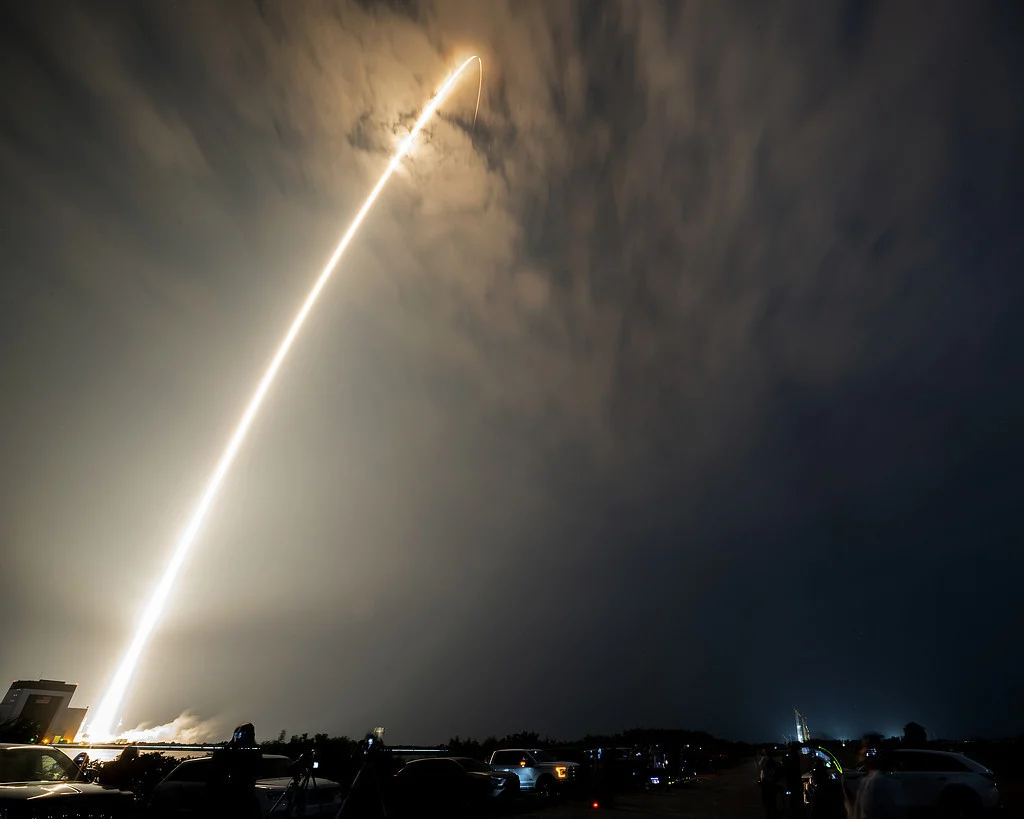
觀察高速度太空殘骸撞擊月球的難得機會,可用於驗證行星科學模型。
30 秒速覽
有什麼變化
5 噸重的 Falcon 9 上級火箭將撞擊月球
為什麼重要
此事件可視為一場意外的行星科學實驗。研究人員可利用此次撞擊來校準月球表面動力學的撞擊模型。
下一步行動
如果您正在從事航太模擬或軌道預測工作,請利用此事件來驗證您的軌道力學模型。
誰應關注:Researchers & Academics
關鍵要點
- •5 噸重的 Falcon 9 上級火箭將撞擊月球
- •撞擊預計發生在美東時間 8 月 5 日凌晨 2 點 34 分
- •撞擊點位於愛因斯坦隕石坑附近
- •為月球撞擊坑研究提供罕見的實測數據
深度解析
本篇為 AI 生成分析,非原文內容。
增強重點摘要
- •The object in question is the second stage of a Falcon 9 rocket that launched the DSCOVR (Deep Space Climate Observatory) mission in February 2015.
- •The rocket stage was left in a high-elliptical orbit after completing its primary mission, lacking sufficient fuel to return to Earth's atmosphere or escape the Earth-Moon system.
- •Astronomers initially misidentified the object as a piece of a Chinese Long March 3C rocket before later correcting the identification to the SpaceX Falcon 9 stage.
- •The impact is expected to occur at a velocity of approximately 2.58 kilometers per second (about 5,770 miles per hour).
- •Because the impact will occur on the far side of the Moon, it will not be directly observable by Earth-based telescopes, though lunar orbiters may capture imagery of the resulting crater.
技術深入
- Object: Falcon 9 second stage (spent booster).
- Mass: Approximately 4 metric tons (dry mass).
- Velocity at impact: ~2.58 km/s.
- Kinetic Energy: The impact will release energy equivalent to several tons of TNT, creating a crater estimated to be 10-20 meters in diameter.
- Orbital Dynamics: The object followed a chaotic trajectory influenced by Earth-Moon gravity, leading to its eventual lunar intercept.
前景展望基於引用來源的 AI 分析
Increased regulation of cislunar space debris.
This high-profile impact highlights the lack of tracking and disposal protocols for objects left in deep space, likely prompting new international space traffic management guidelines.
Enhanced lunar surface monitoring.
The event serves as a controlled (albeit accidental) experiment that will encourage space agencies to prioritize lunar orbiter observations of impact sites to better understand lunar regolith composition.
時間線
2015-02
SpaceX launches the DSCOVR mission using a Falcon 9 rocket.
2015-02
The Falcon 9 second stage is abandoned in a high-elliptical orbit after the mission.
2022-01
Astronomers identify the object as being on a collision course with the Moon.
2022-02
Correction issued identifying the object as a SpaceX Falcon 9 stage rather than a Chinese Long March 3C.
- 2015-02SpaceX launches the DSCOVR mission using a Falcon 9 rocket.
- 2015-02The Falcon 9 second stage is abandoned in a high-elliptical orbit after the mission.
- 2022-01Astronomers identify the object as being on a collision course with the Moon.
- 2022-02Correction issued identifying the object as a SpaceX Falcon 9 stage rather than a Chinese Long March 3C.
AI 週報
閱讀本週精選 AI 大事摘要 →
相關動態


AI 策展新聞聚合。所有內容版權歸原始發布者所有。
原始來源: cnBeta (Full RSS) ↗
每週電子報
每週一封,可隨時退訂。