來源Ars Technica•較早收集於 73m
SpaceX 準備進行第 13 次 Starship 測試飛行
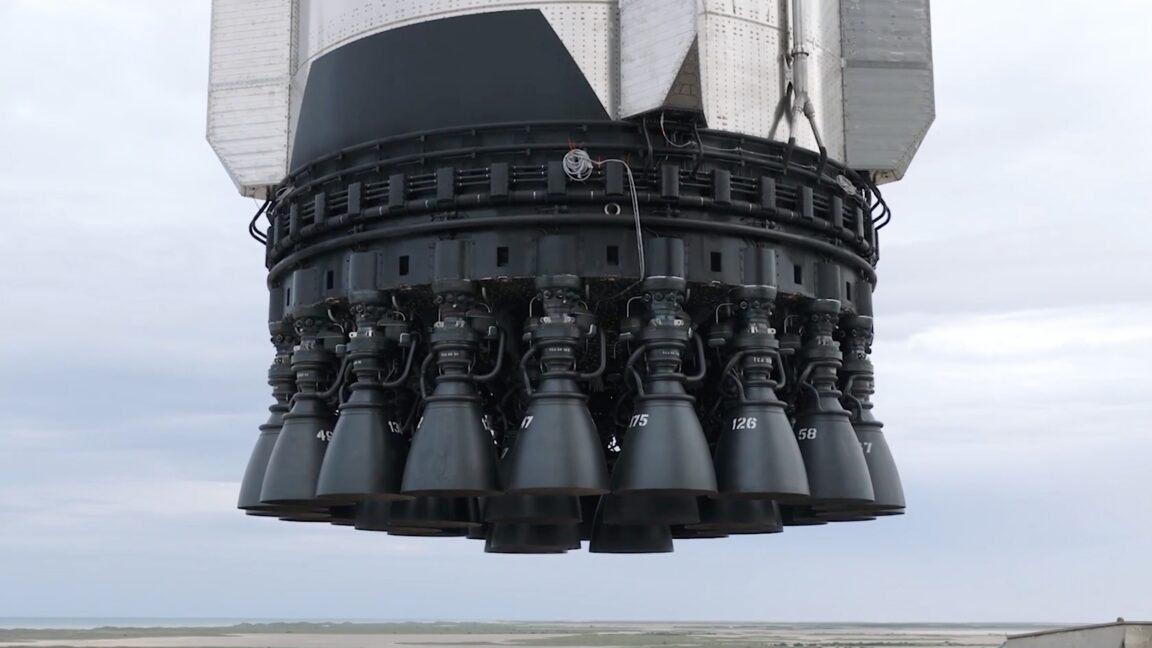
💡針對 Starlink 進行關鍵基礎設施測試,這是全球高速衛星連線的骨幹。
⚡ 30 秒速覽
有什麼變化
Starship 將在飛行過程中進行高壓壓力測試。
為什麼重要
此次測試為軌道基礎設施與衛星部署效率提供了關鍵數據,這對未來大規模衛星星鏈的發展至關重要。
下一步行動
監控 Starlink API 文件,以獲取此次任務中部署的新衛星功能的相關更新。
誰應關注:Developers & AI Engineers
關鍵要點
- •Starship 將在飛行過程中進行高壓壓力測試。
- •任務包含部署新一代 Starlink 衛星。
- •這是 Starship 計畫的第 13 次重大測試飛行。
🧠 深度解析
本篇為 AI 生成分析,非原文內容。
🔑 增強重點摘要
- •The mission will utilize the latest iteration of the Raptor 3 engine, which features simplified plumbing and increased thrust-to-weight ratios compared to previous versions.
- •SpaceX is testing a new 'hot-staging' ring design intended to improve structural integrity during the separation of the Super Heavy booster and the Starship upper stage.
- •This flight marks the first attempt to utilize a fully autonomous capture mechanism at the launch tower for the Super Heavy booster, moving beyond previous splashdown-focused tests.
- •The payload includes experimental optical inter-satellite links designed to increase data throughput for the Starlink constellation by 40% over current models.
- •Regulatory approval for this flight was expedited under a new FAA streamlined licensing framework for high-cadence launch operations.
📊 競品分析▸ Show
| Feature | SpaceX Starship | Blue Origin New Glenn | Rocket Lab Neutron |
|---|---|---|---|
| Reusability | Fully Rapidly Reusable | Reusable Booster | Reusable First Stage |
| Payload to LEO | 100-150+ tons | 45 tons | 13-15 tons |
| Status | Flight Testing (13th) | Initial Flight Testing | Development/Testing |
🛠️ 技術深入
- Raptor 3 Engine: Features integrated cooling channels and reduced part count to enhance reliability and ease of manufacturing.
- Heat Shielding: Utilizes a new generation of hexagonal ceramic tiles with improved attachment mechanisms to prevent shedding during high-velocity atmospheric reentry.
- Propellant Management: Implements advanced cryogenic fluid transfer systems to support long-duration orbital coasting and future in-space refueling demonstrations.
- Guidance System: Employs an upgraded AI-driven flight computer capable of real-time trajectory adjustments based on sensor fusion from multiple onboard telemetry streams.
🔮 前景展望基於引用來源的 AI 分析
Starship will achieve operational orbital refueling by Q4 2026.
The successful testing of high-pressure conditions and fluid transfer systems in this mission is a prerequisite for the upcoming refueling architecture validation.
SpaceX will transition to a bi-weekly launch cadence for Starship by early 2027.
The integration of streamlined FAA licensing and improved booster recovery systems indicates a shift toward high-frequency operational status.
⏳ 時間線
2023-04
First integrated flight test of Starship and Super Heavy.
2023-11
Second flight test demonstrates successful hot-staging separation.
2024-03
Third flight test reaches orbital velocity for the first time.
2024-10
Fifth flight test achieves first successful tower catch of the Super Heavy booster.
2025-06
Starship program transitions to regular payload delivery missions.
2026-02
10th test flight validates long-duration orbital coasting capabilities.
📰
AI 週報
閱讀本週精選 AI 大事摘要 →
👉相關動態
AI 策展新聞聚合。所有內容版權歸原始發布者所有。
原始來源: Ars Technica ↗
每週電子報
每週一封,可隨時退訂。