來源Engadget•較早收集於 19m
參議員提出跨黨派 JAWBONE 法案以遏制政府審查
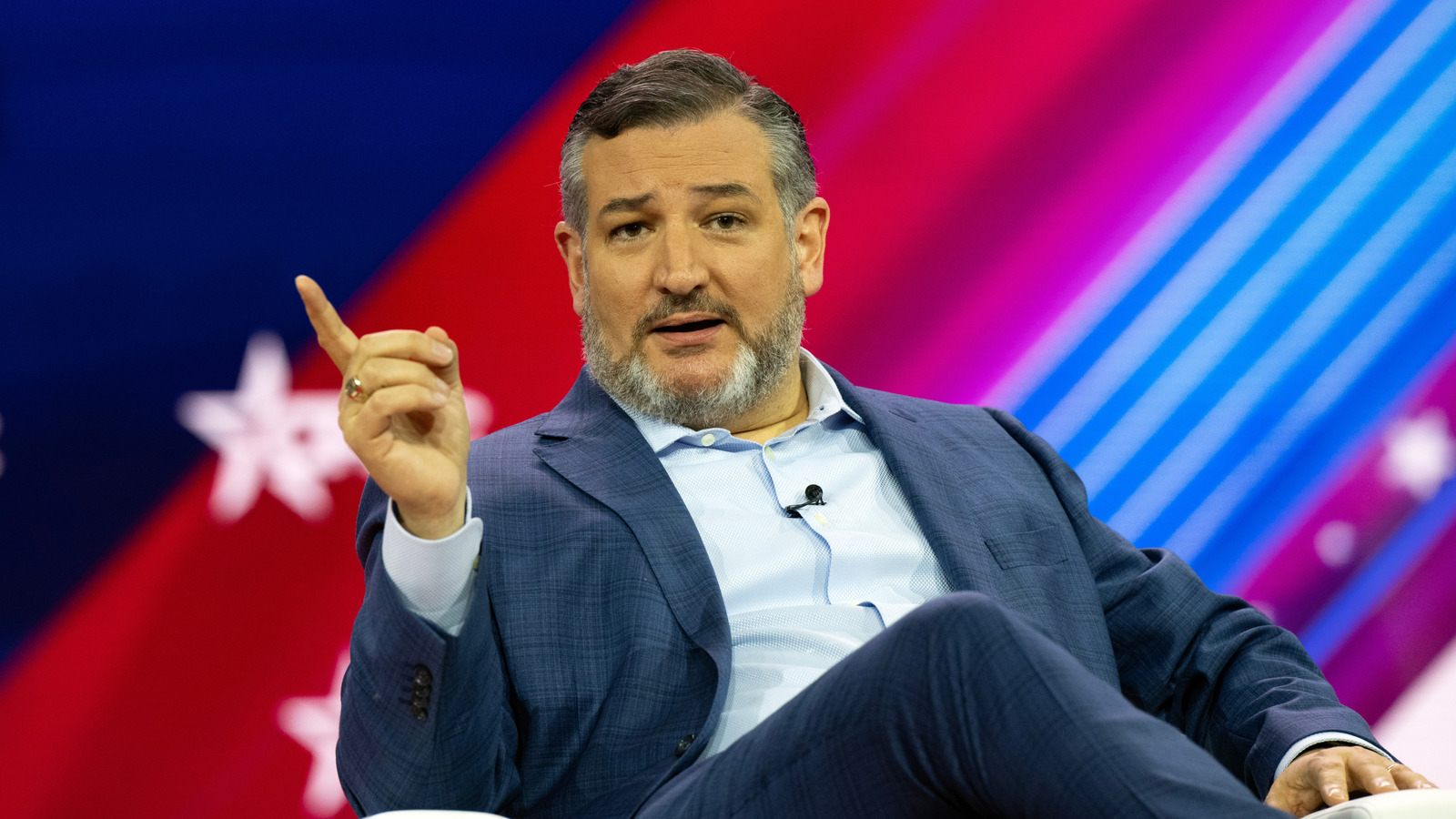
💡了解新的跨黨派立法如何可能迫使 AI 內容審核與政府合規性發生變革。
⚡ 30 秒速覽
有什麼變化
由參議員 Cruz 與 Wyden 提出,旨在解決對政府審查的擔憂。
為什麼重要
該法案可能會顯著改變 AI 驅動的內容審核平台與政府請求之間的互動方式。它可能迫使企業在政府強制過濾方面採取更透明的政策。
下一步行動
密切關注 JAWBONE 法案的進展,以了解您的內容審核管道可能面臨的合規性要求。
誰應關注:Founders & Product Leaders
關鍵要點
- •由參議員 Cruz 與 Wyden 提出,旨在解決對政府審查的擔憂。
- •目標在於規範政府機構在內容審核方面與私人平台的互動方式。
- •反映了關於政府在數位言論監管中角色的持續政治緊張局勢。
🧠 深度解析
背景與延伸:來自公開資料,非原文內容。引用 16 個來源。
🔑 增強重點摘要
- •The JAWBONE Act, formally known as the Justice Against Weaponized Bureaucratic Overreach to Networked Expression Act, aims to create a clear legal pathway for Americans to sue federal agencies and employees who engage in "jawboning," which is the practice of pressuring private platforms to censor protected speech.
- •The legislation specifically targets government coercion against a broad range of private entities, including broadcasters, online platforms, and emerging AI companies, to suppress or remove speech.
- •A key provision of the JAWBONE Act requires federal agencies to disclose certain communications with media companies to Congress, thereby strengthening oversight and accountability and preventing officials from evading responsibility by changing jobs.
- •The bill allows victims of indirect censorship to seek monetary damages and ensures that federal employees who engage in "willful and wanton" jawboning could be personally liable for damages.
- •The JAWBONE Act has garnered bipartisan support and endorsements from a diverse coalition of advocacy groups, including the American Civil Liberties Union (ACLU), the Foundation for Individual Rights and Expression (FIRE), and the Knight First Amendment Institute.
🔮 前景展望基於引用來源的 AI 分析
The JAWBONE Act could significantly deter government officials from pressuring private platforms to censor speech.
By creating a cause of action for monetary damages and requiring public disclosure of communications, it introduces personal and institutional accountability that was previously lacking in cases of indirect censorship.
The legislation could lead to increased transparency regarding government interactions with tech companies and broadcasters.
The requirement for agencies to submit certain communications to Congress and the potential for a public portal would shed light on previously opaque 'jawboning' practices.
The act may face legal challenges regarding the precise definition and scope of 'coercion' versus lawful government communication.
Distinguishing between legitimate government communication (e.g., flagging illegal content) and unconstitutional coercion has been a complex issue in recent Supreme Court cases like Murthy v. Missouri.
⏳ 時間線
1996-02
Communications Decency Act (CDA) passed, including Section 230, granting immunity to online platforms for third-party content and content moderation.
1997-06
Supreme Court in Reno v. ACLU strikes down anti-indecency provisions of the CDA as unconstitutional.
2018-04
FOSTA/SESTA (Fight Online Sex Trafficking Act/Stop Enabling Sex Traffickers Act) passed, creating a carve-out to Section 230 immunity for platforms facilitating sex trafficking.
2024-08
Supreme Court addresses government officials blocking users on social media (Lindke v. Freed) and government coercion of platforms (Murthy v. Missouri), though in Murthy, plaintiffs lacked standing.
2025-10
Senator Ted Cruz previews the JAWBONE Act, citing concerns over government pressure on broadcasters, specifically mentioning FCC Chairman Brendan Carr's comments regarding Jimmy Kimmel Live!.
2026-06
Senators Ted Cruz and Ron Wyden formally introduce the Justice Against Weaponized Bureaucratic Overreach to Networked Expression (JAWBONE) Act.
📎 來源 (16)
Factual claims are grounded in the sources below. Forward-looking analysis is AI-generated interpretation.
📰
AI 週報
閱讀本週精選 AI 大事摘要 →
👉相關動態

AI 策展新聞聚合。所有內容版權歸原始發布者所有。
原始來源: Engadget ↗
每週電子報
每週一封,可隨時退訂。