📊Bloomberg Technology•較早收集於 25m
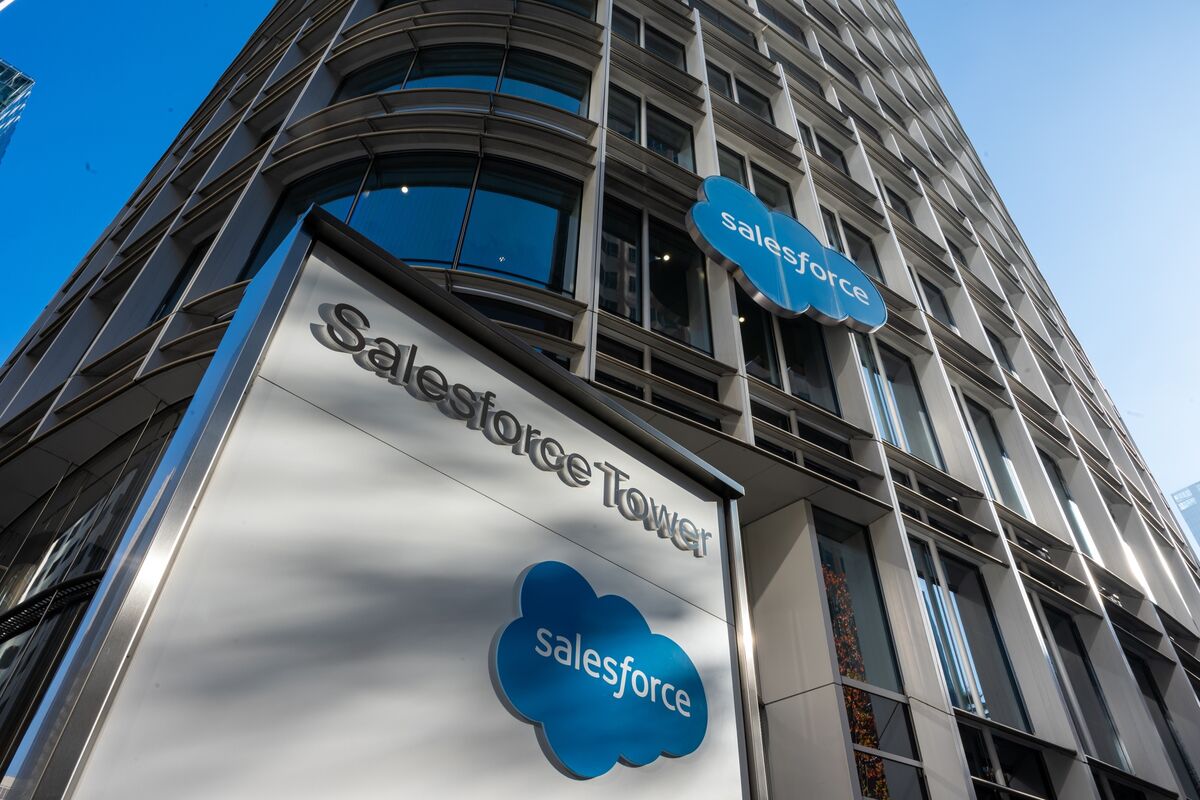
Salesforce 展望引發 AI 恐慌
#sales-outlook#ai-competition#enterprise-saassalesforcesalesforce
💡Salesforce's weak forecast reveals AI threats to legacy SaaS—critical for enterprise AI planning.
⚡ 30-Second TL;DR
有什麼變化
新財年銷售成長展望溫吞
為什麼重要
顯示 Salesforce AI 策略潛在弱點,促使企業考慮靈活的 AI 原生 CRM 替代方案。可能加速市場份額向 AI 優先供應商轉移。
下一步行動
Benchmark Salesforce Einstein against Anthropic's enterprise APIs for CRM automation efficiency.
誰應關注:Enterprise & Security Teams
關鍵要點
- •新財年銷售成長展望溫吞
- •加劇對 AI 競爭對手的恐懼
- •華爾街憂 Salesforce AI 落後
🧠 深度解析
背景與延伸:來自公開資料,非原文內容。引用 10 個來源。
🔑 增強重點摘要
- •Salesforce's Agentforce has faced real-world deployment challenges, including inconsistent AI behavior and lack of trust from enterprise users, requiring the addition of rule-based scripting layers (Agent Script) to enforce predictability[3].
- •Despite adoption headwinds, 54% of organizations are already deploying AI agents across the sales cycle, with high-performing sales teams 1.7x more likely to use AI agents than underperformers, creating a widening competitive gap[2].
- •Gartner projects agentic AI could drive approximately 30% of enterprise application software revenue by 2035 (surpassing $450 billion), but this requires robust data foundations—89% of data leaders cite strong data infrastructure as critical for AI success[1][6].
- •96% of IT leaders report that AI agent success depends on integration across systems, with API-driven architectures emerging as the unified foundation for multi-agent orchestration and governance[7].
📊 競品分析▸ Show
| Capability | Salesforce Agentforce | Microsoft Dynamics 365 | HubSpot Sales Hub |
|---|---|---|---|
| AI Agent Deployment | 54% adoption rate; requires Agent Script for consistency | Rapidly evolving integrations | Rapidly evolving integrations |
| Sales Productivity Gains | Research/content creation time reduced by 1/3 | Not specified in search results | Not specified in search results |
| Enterprise Maturity | Inconsistent behavior; trust issues reported | Emerging capability | Emerging capability |
| Integration Architecture | API-driven (96% of IT leaders prioritize) | Implied but not detailed | Implied but not detailed |
🛠️ 技術深入
- Agent Script Layer: Rule-based scripting mechanism added to Agentforce to enforce step-by-step logic and predictable AI behavior, shifting configuration responsibility to CIOs[3]
- Orchestrator Agents: Intermediary AI agents that coordinate fleets of specialist agents (inventory, billing, logistics), acting as personal AI assistants aligned to business preferences[4]
- Semantic Layer for Agent Collaboration: Common language protocol enabling AI agents to negotiate with external business agents on behalf of organizations[4]
- Data Foundation Requirements: Trusted, unified, and contextual data infrastructure required to unlock agentic AI value; 84% of technical leaders report needing data overhauls for AI strategies[6]
- Multi-Agent Integration: API-driven architectures serve as unified foundation for connecting, orchestrating, and governing multiple agents across enterprise systems[7]
🔮 前景展望AI analysis grounded in cited sources
Salesforce's competitive position depends on solving AI consistency and trust issues before market consolidation occurs.
Organizations without robust data foundations will struggle to realize AI ROI, widening the gap between early adopters and laggards.
89% of data leaders identify strong data infrastructure as critical for AI success, yet 84% of technical leaders report needing data overhauls—this infrastructure debt will compound competitive disadvantages for slow movers[6].
AI agent adoption will shift from pilot projects to foundational enterprise operations, making non-adoption a strategic liability.
High-performing sales teams are 1.7x more likely to use AI agents, and 54% of organizations already deploy agents across sales cycles, indicating that AI agent capability is becoming table-stakes rather than differentiator[2].
⏳ 時間線
2025-10
Dreamforce 2025: Salesforce pivots entire messaging strategy to center on Agentforce and agentic AI, signaling strategic commitment but also revealing earlier adoption challenges[3]
2025-11
Salesforce releases 2026 Data and Analytics Trends report, revealing that 84% of technical leaders need data overhauls for AI strategies and 89% cite data foundation as critical success factor[6]
2026-02
Salesforce releases 2026 State of Sales report showing 54% of organizations deploying AI agents, but high-performer gap (1.7x more likely to use agents) indicates uneven adoption success[2]
2026-02
Salesforce announces 2026 Connectivity Report revealing 96% of IT leaders prioritize API-driven architectures for multi-agent integration and governance[7]
2026-02
Salesforce publicly acknowledges Agentforce inconsistency issues and deploys Agent Script rule-based layer to enforce predictable AI behavior, shifting configuration burden to enterprise CIOs[3]
📎 來源 (10)
Factual claims are grounded in the sources below. Forward-looking analysis is AI-generated interpretation.
- a5corp.com — Top 3 AI Driven Salesforce Trends to Watch in 2026
- futurumgroup.com — AI Agents Take Center Stage Will Sales Teams That Automate Win in 2026
- salesforceben.com — What Salesforce Learnt About AI in 2025 and How 2026 Will Be Different
- salesforce.com — AI Trends for 2026
- salesforce.com — Strategic Growth Priorities for Agentic Enterprise 2026
- salesforce.com — Data Analytics Trends 2026
- salesforce.com — Connectivity Report Announcement 2026
- businessinsider.com — Software Selloff Salesforce Snowflake Benioff Anthropic Stock Price 2026 2
- salesforce.com — State of Marketing 2026
- admin.salesforce.com — 2026 Roadmap for Salesforce Admins AI Agentforce and Emerging Trends Podcast
📰
AI 週報
閱讀本週精選 AI 大事摘要 →
👉相關動態

AI 策展新聞聚合。所有內容版權歸原始發布者所有。
原始來源: Bloomberg Technology ↗
每週 AI 簡報
每週一封,可隨時退訂。