來源cnBeta (Full RSS)•較早收集於 2h
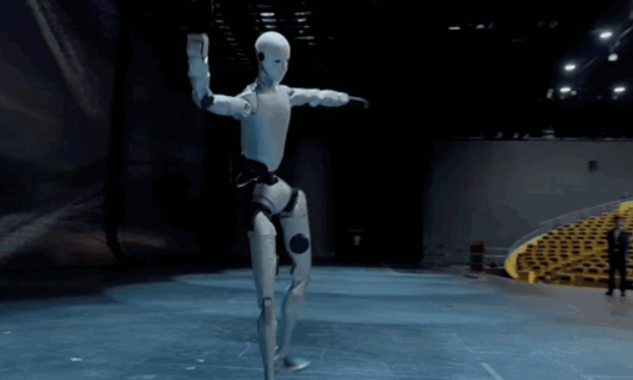
網紅教授怒斥機器人跳舞很庸俗引發熱議
💡揭露機器人示範文化偏見,對具身AI認知與採用至關重要。
⚡ 30 秒速覽
有什麼變化
鄭強公開怒斥機器人跳舞庸俗低端。
為什麼重要
揭示娛樂導向機器人文化阻力,可能減緩具身AI消費應用採用,並影響資助優先。
下一步行動
使用ROS2原型設計表情豐富機器人動作,展示超越基本舞蹈之精密控制。
誰應關注:Researchers & Academics
關鍵要點
- •鄭強公開怒斥機器人跳舞庸俗低端。
- •引發學界產業界學者熱烈回擊。
- •批評忽略機器人舞蹈技術價值。
- •辯論憂偏見影響機器人創新公眾觀。
🧠 深度解析
本篇為 AI 生成分析,非原文內容。
🔑 增強重點摘要
- •Zheng Qiang's critique specifically targeted the use of humanoid robots in commercial entertainment settings, which he characterized as a misuse of high-level engineering resources.
- •The backlash includes counter-arguments from robotics engineers who emphasize that 'dancing' serves as a critical stress test for dynamic balance, motor control, and real-time motion planning algorithms.
- •The debate has evolved into a broader national conversation in China regarding the 'utility vs. spectacle' dilemma in state-funded versus private-sector robotics research.
🔮 前景展望基於引用來源的 AI 分析
Increased scrutiny on government-funded robotics projects.
Public pressure following high-profile critiques may lead to stricter performance metrics for state-sponsored robotics research beyond mere demonstration capabilities.
Shift in robotics marketing strategies.
Companies may pivot away from 'dancing robot' marketing to avoid perceptions of low-value innovation, focusing instead on industrial or service-oriented use cases.
📰
AI 週報
閱讀本週精選 AI 大事摘要 →
👉相關動態
AI 策展新聞聚合。所有內容版權歸原始發布者所有。
原始來源: cnBeta (Full RSS) ↗
每週電子報
每週一封,可隨時退訂。