來源cnBeta (Full RSS)•較早收集於 29m
Nvidia 穩居 TSMC CoWoS 產能需求榜首至 2027 年
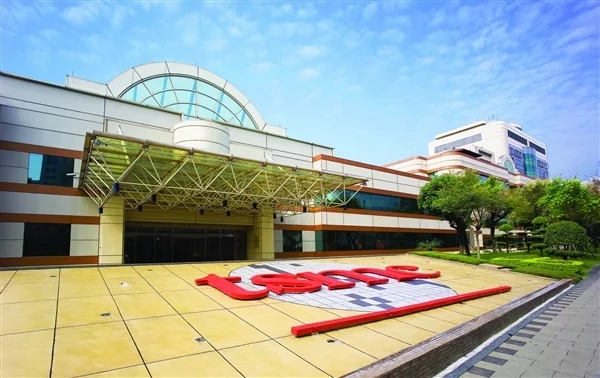
深入了解 AI 硬體供應的未來趨勢,以及 Nvidia 在 TSMC 先進封裝領域的戰略主導地位。
30 秒速覽
有什麼變化
Nvidia 仍是 TSMC CoWoS 封裝產能的最大消耗者
為什麼重要
Nvidia 對先進封裝產能的強勢主導,意味著競爭對手在擴大 AI 硬體生產時將持續面臨瓶頸。
下一步行動
在規劃 AI 硬體路線圖或大規模叢集部署時,請將 TSMC 長期的產能限制納入考量。
誰應關注:Developers & AI Engineers
關鍵要點
- •Nvidia 仍是 TSMC CoWoS 封裝產能的最大消耗者
- •Blackwell 與 Rubin GPU 採用 CoWoS-L,預計 2027 年產能需求年增 40%
- •Vera CPU 採用 CoWoS-R 封裝,出貨量預計翻倍
深度解析
本篇為 AI 生成分析,非原文內容。
增強重點摘要
- •TSMC is aggressively expanding its CoWoS monthly capacity, targeting over 60,000 wafers per month by the end of 2026 to alleviate persistent supply bottlenecks.
- •The shift toward CoWoS-L (Local) packaging is driven by the need for higher reticle size limits and better integration of HBM3e/HBM4 memory stacks in Blackwell and Rubin architectures.
- •Nvidia's dominance in CoWoS allocation has forced other major players like AMD and Broadcom to seek alternative advanced packaging solutions or secure secondary capacity at OSAT providers like Amkor and ASE.
- •The Vera CPU, while utilizing CoWoS-R (Redistribution layer), represents a strategic move by Nvidia to integrate high-performance compute and memory closer to the GPU die for unified memory architectures.
- •TSMC's capital expenditure for 2026-2027 is heavily weighted toward advanced packaging facilities in Southern Taiwan to support the specific thermal and interconnect requirements of Nvidia's next-generation AI accelerators.
競品分析
Packaging Tech
- Nvidia (CoWoS-L/R)
- CoWoS-L/R
- AMD (MI300/MI400 Series)
- CoWoS-S/Advanced Packaging
- Intel (Foveros/EMIB)
- Foveros / EMIB
Primary Focus
- Nvidia (CoWoS-L/R)
- High-Bandwidth AI/HPC
- AMD (MI300/MI400 Series)
- Chiplet-based APU/GPU
- Intel (Foveros/EMIB)
- Heterogeneous Integration
Market Position
- Nvidia (CoWoS-L/R)
- Dominant (Capacity Priority)
- AMD (MI300/MI400 Series)
- Strong Challenger
- Intel (Foveros/EMIB)
- Foundry/IDM Strategy
| Feature | Nvidia (CoWoS-L/R) | AMD (MI300/MI400 Series) | Intel (Foveros/EMIB) |
|---|---|---|---|
| Packaging Tech | CoWoS-L/R | CoWoS-S/Advanced Packaging | Foveros / EMIB |
| Primary Focus | High-Bandwidth AI/HPC | Chiplet-based APU/GPU | Heterogeneous Integration |
| Market Position | Dominant (Capacity Priority) | Strong Challenger | Foundry/IDM Strategy |
技術深入
- CoWoS-L: Utilizes LSI (Local Silicon Interconnect) bridges to provide high-density interconnects between the GPU die and HBM stacks, allowing for larger-than-reticle designs.
- CoWoS-R: Employs a redistribution layer (RDL) interposer, offering a more cost-effective solution for high-performance CPUs like Vera compared to the silicon-heavy CoWoS-S.
- Blackwell Architecture: Features a multi-die design connected via 10TB/s chip-to-chip links, necessitating the precision alignment provided by CoWoS-L.
- Rubin Architecture: Expected to leverage HBM4, requiring further advancements in thermal management and power delivery within the CoWoS package structure.
前景展望基於引用來源的 AI 分析
Nvidia will maintain a gross margin advantage over competitors due to priority access to TSMC's most advanced packaging nodes.
Securing the majority of CoWoS capacity ensures Nvidia can meet high-margin enterprise demand while competitors face supply-constrained volume growth.
TSMC will become the primary bottleneck for global AI hardware scaling through 2027.
The reliance of the entire industry on CoWoS technology creates a single point of failure that cannot be easily mitigated by alternative packaging providers.
時間線
2022-03
Nvidia announces the Hopper architecture, significantly increasing demand for TSMC's CoWoS-S packaging.
2023-05
TSMC announces rapid expansion of CoWoS capacity in response to the generative AI boom.
2024-03
Nvidia unveils the Blackwell platform, introducing CoWoS-L for high-performance multi-die integration.
2025-06
TSMC achieves significant yield improvements in CoWoS-L, enabling mass production of Blackwell-based systems.
2026-01
Nvidia begins sampling Rubin-based architectures, further cementing the reliance on advanced CoWoS packaging.
- 2022-03Nvidia announces the Hopper architecture, significantly increasing demand for TSMC's CoWoS-S packaging.
- 2023-05TSMC announces rapid expansion of CoWoS capacity in response to the generative AI boom.
- 2024-03Nvidia unveils the Blackwell platform, introducing CoWoS-L for high-performance multi-die integration.
- 2025-06TSMC achieves significant yield improvements in CoWoS-L, enabling mass production of Blackwell-based systems.
- 2026-01Nvidia begins sampling Rubin-based architectures, further cementing the reliance on advanced CoWoS packaging.
AI 週報
閱讀本週精選 AI 大事摘要 →
相關動態

AI 策展新聞聚合。所有內容版權歸原始發布者所有。
原始來源: cnBeta (Full RSS) ↗
每週電子報
每週一封,可隨時退訂。