微軟 10,000 年玻璃資料儲存媒介
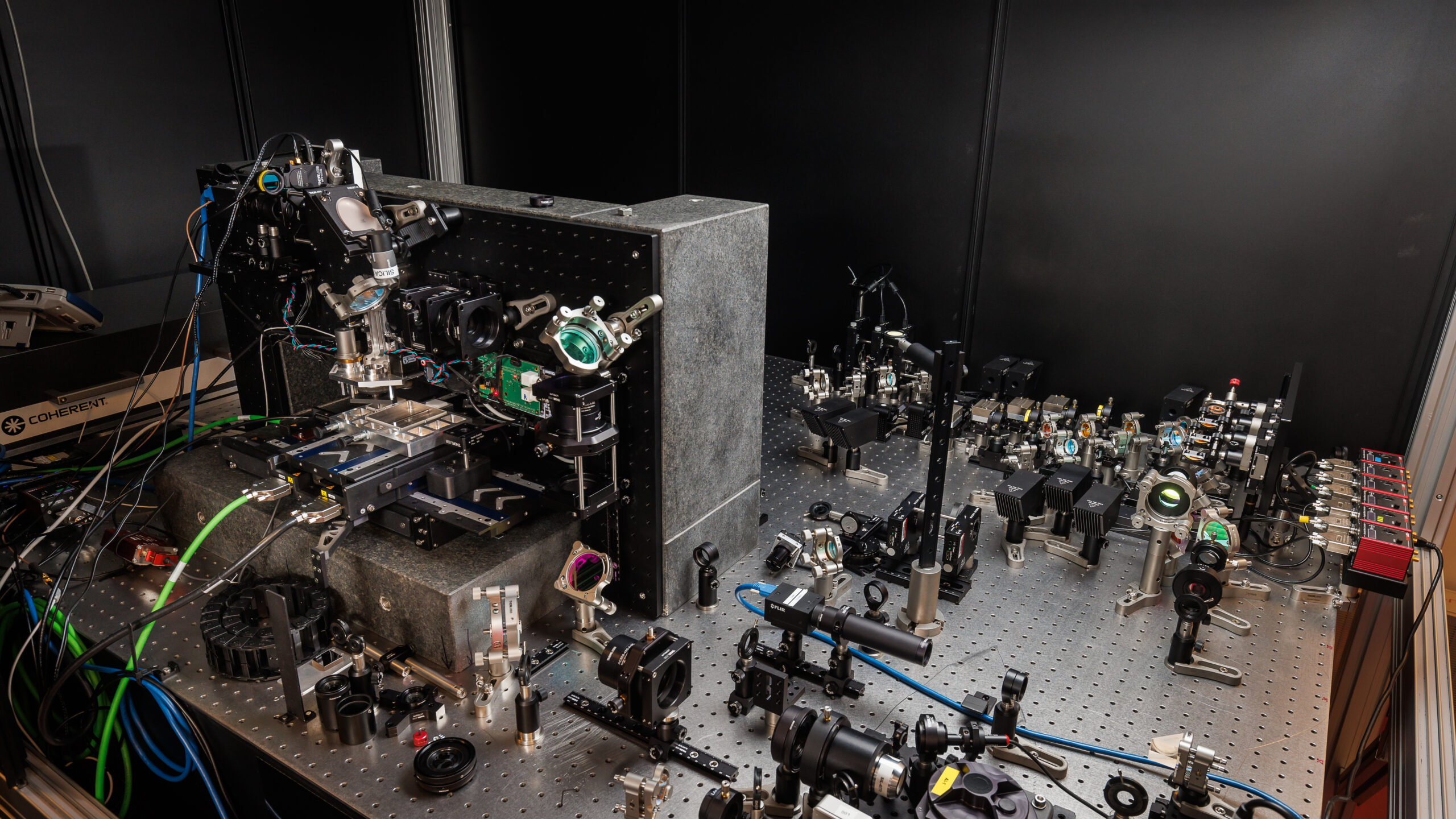
💡10k-year glass storage revolutionizes AI data hoarding and long-term model preservation
⚡ 30-Second TL;DR
有什麼變化
玻璃媒介實現 10,000 年資料儲存
為什麼重要
實現 AI 大型資料集和模型的具成本效益、耐用封存。減少對磁帶或雲端的冷儲存依賴,在 AI 基礎設施中。
下一步行動
Review Microsoft Research papers on femtosecond laser glass etching for AI archival prototypes.
關鍵要點
- •玻璃媒介實現 10,000 年資料儲存
- •使用飛秒雷射蝕刻資料
- •設計用於極高穩定性
- •由 Microsoft Research 開發
🧠 深度解析
背景與延伸:來自公開資料,非原文內容。引用 2 個來源。
🔑 增強重點摘要
- •Microsoft Research's Project Silica uses femtosecond lasers to etch data into glass, enabling storage durable for 10,000 years due to resistance to water, heat, and dust.[1]
- •Breakthrough published in Nature extends technology from expensive fused silica to affordable borosilicate glass, like kitchen cookware.[1]
- •Innovations include hundreds of data layers in 2mm-thick glass, faster parallel writing with phase voxel method using single laser pulses, and simplified manufacturing.[1]
- •Reading simplified to one camera instead of three or four, reducing cost, size, and complexity.[1]
- •Addresses limitations of magnetic tapes and hard drives, which degrade within decades, for long-term archival needs.[1]
🛠️ 技術深入
- •Femtosecond laser pulses etch data inside glass, creating nanostructures for durable, immutable storage.[1]
- •New phase voxel method uses a single laser pulse per voxel, enabling faster parallel writing and reduced complexity.[1]
- •Stores hundreds of layers in 2mm-thick borosilicate glass.[1]
- •Reader uses one camera (down from three or four), simplifying hardware and lowering costs.[1]
- •Writing devices have fewer parts, easier calibration, and quicker data encoding.[1]
🔮 前景展望AI analysis grounded in cited sources
Project Silica advances long-term archival storage for datacenters and archivists, potentially replacing degrading media like tapes and drives with cost-effective, stable glass-based solutions that last millennia, enabling parallel writing and simplified hardware for broader adoption.[1]
⏳ 時間線
📎 來源 (2)
Factual claims are grounded in the sources below. Forward-looking analysis is AI-generated interpretation.
AI 週報
閱讀本週精選 AI 大事摘要 →
👉相關動態
AI 策展新聞聚合。所有內容版權歸原始發布者所有。
原始來源: Ars Technica ↗
每週 AI 簡報
每週一封,可隨時退訂。