來源cnBeta (Full RSS)•較早收集於 5m
微軟撤回關於 Defender 已足夠使用的說法
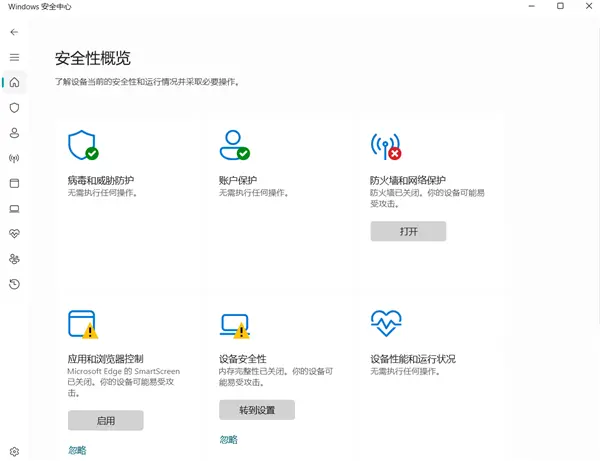
💡微軟對 Defender 政策的微妙轉變,可能預示著 Windows 環境下安全需求的新變化。
⚡ 30 秒速覽
有什麼變化
微軟刪除了四月份關於 Defender 防護能力足夠的部落格文章。
為什麼重要
此舉可能導致大眾對作業系統內建安全性的審視增加,並可能讓第三方安全廠商更積極地重返 Windows 生態系統。
下一步行動
重新評估您的企業安全架構,確保除了作業系統內建工具外,具備多層次的防護措施。
誰應關注:Enterprise & Security Teams
關鍵要點
- •微軟刪除了四月份關於 Defender 防護能力足夠的部落格文章。
- •原文曾宣稱 Windows 11 用戶不需要安裝第三方防毒軟體。
- •此舉暗示微軟在安全產品行銷策略上可能出現轉變。
🧠 深度解析
背景與延伸:來自公開資料,非原文內容。引用 25 個來源。
🔑 增強重點摘要
- •The deleted blog post, titled "Best antivirus software for 2026: The built-in Windows protection you need," was originally published in April 2026 in the Windows Learning Center and explicitly stated that most Windows 11 users no longer needed third-party antivirus software.
- •Microsoft's original claim highlighted that Windows 11's built-in security stack, including Microsoft Defender Antivirus, SmartScreen, Smart App Control, ransomware mitigation, and cloud-delivered protection, formed a sufficient baseline for common attack paths.
- •The retraction was first noted by AV-Comparatives on May 26, 2026, which described the removal as a "constructive step" towards more realistic security guidance, contrasting it with a more measured article Microsoft published on January 13, 2026, titled "Trusted antivirus protection for PCs."
- •The removal of the blog post occurred shortly after multiple zero-day vulnerabilities affecting Microsoft Defender Antivirus were publicly disclosed and actively exploited in April 2026, including flaws dubbed BlueHammer, RedSun, and UnDefend.
- •Microsoft Defender's effectiveness relies heavily on cloud-assisted intelligence, reputation systems, telemetry analysis, and cloud-based threat detection, which explains its strong online protection results but comparatively lower offline detection rates in some independent tests.
📊 競品分析▸ Show
Antivirus Software Comparison (2026)
| Feature/Category | Microsoft Defender (Built-in) | Bitdefender | Norton 360 | TotalAV |
|---|---|---|---|---|
| Pricing Model | Free (built into Windows) | Subscription-based (e.g., $60 first year, $110 renewal for Total Security) | Subscription-based (e.g., $30-$300 first year, $60-$365 renewal) | Subscription-based (e.g., $49 first year for Total Security) |
| Core Protection | Real-time protection, malware, virus, ransomware, phishing, SmartScreen, Smart App Control, cloud-delivered protection | Real-time threat detection, multi-layered ransomware protection, anti-phishing | Real-time protection, ransomware protection, AI agents, intelligent firewall | Real-time protection, malware, ransomware, web protection |
| Detection Rates (Lab Tests) | Often scores near top-tier products (e.g., 6.0/6.0 in AV-Test, 98.5-100% real-world in AV-Comparatives) | Excellent scores in independent lab tests, near-perfect detection rates | Perfect scores in independent lab tests, excellent in hands-on tests | Excellent malware detection and protection rates |
| Offline Detection | Lower offline detection rate (e.g., 89.2% in AV-Comparatives March 2026 test) | Generally strong, often higher than Defender | Generally strong, often higher than Defender | Not specifically detailed, but generally strong for paid AVs |
| System Impact | Minimal CPU usage during scans | Minimal system lag, lightweight | Good performance, but can be higher with full suites | Apps don't take up much space, minimal performance issues |
| Additional Features | Basic protection, no VPN, identity monitoring, or advanced parental controls | VPN (data limit on lower tiers), Safepay browser, Autopilot, data breach monitoring | VPN, password manager, cloud backups, dark web monitoring, parental controls, identity theft protection | VPN, password manager, system clean-up tool, data breach monitoring |
| Target User | Basic home users, those seeking free, built-in protection | Users wanting strong protection with less system drag | Families, users wanting an all-in-one security bundle | Users prioritizing simple interface and budget-friendly first year |
🛠️ 技術深入
- Evolution: Microsoft Defender evolved from a basic anti-spyware tool (Windows Defender, 2006, a rebrand of GIANT AntiSpyware acquired in 2004) into a full-fledged antivirus solution, replacing Microsoft Security Essentials in Windows 8.
- Core Components: Microsoft Defender Antivirus is part of the broader Windows Security suite and includes real-time protection, SmartScreen, Smart App Control, ransomware mitigation, and cloud-delivered protection.
- Cloud-Native Architecture: Microsoft Defender for Endpoint (MDE) operates with a cloud-native architecture where on-device Defender components act as sensors, collecting behavioral signals from the operating system. This data is sent to the Defender for Endpoint cloud service for analysis.
- Cloud Security Analytics: The cloud analytics layer leverages Microsoft's threat intelligence and big-data machine learning to identify threats, correlate signals across devices, and generate alerts.
- Threat Intelligence: Threat intelligence from third-party partners and Microsoft security teams contributes to identifying specific attacker techniques, procedures, and tools, creating alerts when these indicators are observed.
- Advanced Features (MDE): For enterprise-grade protection, MDE integrates capabilities such as Attack Surface Reduction (ASR), Next-Generation Antivirus, Endpoint Detection and Response (EDR), Threat and Vulnerability Management (TVM), automated investigation and remediation, and advanced hunting.
- Detection Methods: Modern Defender utilizes cloud-driven behavioral detection and machine learning, moving beyond older static signature scanning methods that were easily bypassed.
- Integration: Defender integrates seamlessly with the Microsoft ecosystem, including Microsoft 365 Defender XDR, Microsoft Defender for Identity (MDI), and Microsoft Defender for Cloud, to provide a unified view of security incidents.
🔮 前景展望基於引用來源的 AI 分析
Microsoft will adopt a more cautious and nuanced messaging strategy regarding the sufficiency of its built-in security tools.
The retraction of the absolute claim and the existence of a more measured article from January 2026 suggest a shift towards acknowledging the value of layered security and third-party solutions for specific user needs.
The incident may lead to increased scrutiny and demand for transparency from Microsoft regarding the capabilities and limitations of Defender.
The quiet removal of the blog post, especially in light of recent zero-day vulnerabilities, could prompt users and industry analysts to seek clearer guidance on when additional security measures are truly necessary.
Microsoft may enhance Defender's feature set to include more advanced functionalities currently offered by third-party solutions.
To reduce the perceived gap with competitors and strengthen its 'sufficient' claim, Microsoft might integrate more features like advanced identity monitoring, VPNs, or parental controls into its core security offerings.
⏳ 時間線
2004-12
Microsoft acquires GIANT AntiSpyware, forming the basis for Windows Defender.
2006-01
Windows Defender is officially released as an anti-spyware tool for Windows XP and Vista.
2012-10
Windows Defender is upgraded to a full antivirus program, replacing Microsoft Security Essentials in Windows 8.
2026-01-13
Microsoft publishes a more measured article titled "Trusted antivirus protection for PCs" in the Windows Learning Center.
2026-04
Microsoft publishes a blog post claiming Windows 11 users do not need third-party antivirus software, which is later retracted.
2026-04
Multiple zero-day vulnerabilities affecting Microsoft Defender Antivirus are publicly disclosed and actively exploited.
📎 來源 (25)
Factual claims are grounded in the sources below. Forward-looking analysis is AI-generated interpretation.
- windowslatest.com
- windowsforum.com
- xda-developers.com
- betanews.com
- fieldeffect.com
- secpod.com
- netizen.net
- medium.com
- cloudoptimo.com
- reviewed.com
- cnet.com
- security.org
- karlstechnology.com
- pcmag.com
- itcarolina.com
- cloudvanguard-it.com
- primetechinsights.com
- infinitygroup.co.uk
- wikipedia.org
- techrepublic.com
- secureazcloud.com
- bluevoyant.com
- cynet.com
- microsoft.com
- hexacorp.com
📰
AI 週報
閱讀本週精選 AI 大事摘要 →
👉相關動態
AI 策展新聞聚合。所有內容版權歸原始發布者所有。
原始來源: cnBeta (Full RSS) ↗
每週電子報
每週一封,可隨時退訂。